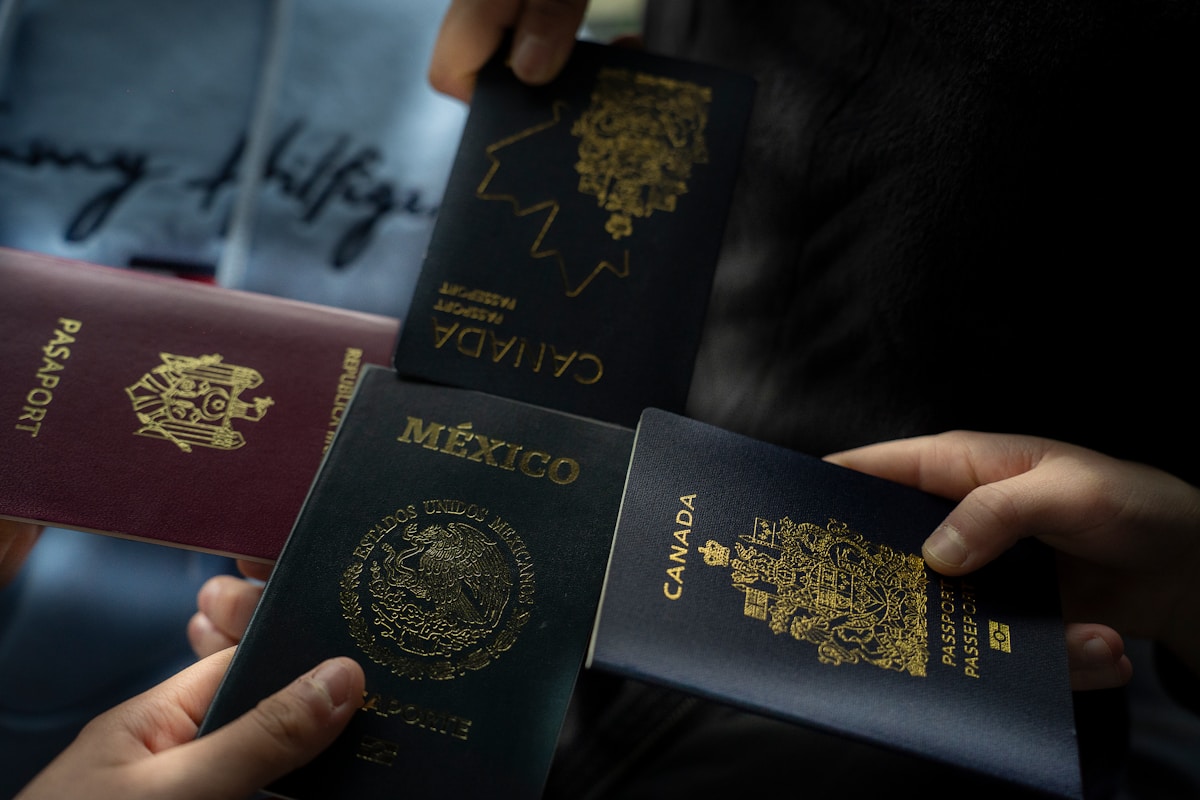
The Balkans is one of the most rewarding regions in Europe to explore, but its patchwork of Schengen and non-Schengen countries creates real planning challenges for non-EU travellers. Get the maths wrong and you risk overstaying - which can result in fines, entry bans, or being turned away at a border crossing. This guide explains exactly how the 90/180 rule works, which Balkan countries count toward your Schengen limit, and how to build a trip that stretches your time in the region.
What the 90/180 Rule Actually Means
The Schengen Area allows most non-EU nationals (including US, UK, Australian, and Canadian passport holders) to stay for up to 90 days in any 180-day period. The critical phrase is “any 180-day period” - this is not a calendar year calculation, and it does not reset on 1 January.
The rule works on a rolling window. On any given day, look back at the previous 180 days and count every day you spent in Schengen territory. If that total reaches 90, you have used your allowance and must leave. Once you have been outside Schengen for enough days to bring the rolling count below 90, you can re-enter.
A practical way to think about it: if you enter Schengen today, the earliest you can re-enter after using a full 90 days is 90 days after your first entry - not after your last exit. The European Commission provides an official Schengen calculator on its website where you can input your travel dates and get a definitive answer.
Which Balkan Countries Are in Schengen
This is where Balkans travellers often get tripped up. The region is split almost evenly between Schengen and non-Schengen countries, and the list has changed in recent years.
Balkans countries that ARE in the Schengen Area:
- Slovenia - has been a full Schengen member since 2007
- Croatia - joined the Schengen Area in January 2023; days spent in Croatia count toward your 90-day limit
- Greece - a full Schengen member since 2000; time in Athens, Thessaloniki, or anywhere on the Greek islands counts
- Bulgaria - joined Schengen fully in January 2025, including land borders; days in Sofia, Plovdiv, or Bansko now count toward the Schengen total
Balkans countries that are NOT in Schengen:
- Bosnia and Herzegovina - not in Schengen; most passport holders can enter visa-free for 90 days in a 180-day period under bilateral agreements
- Serbia - not in Schengen; no visa required for most Western passport holders, stays up to 90 days in 180 days under Serbia’s own rules
- Albania - not in Schengen; visa-free for most nationalities with separate 90-day allowances
- North Macedonia - not in Schengen; its own 90-day allowance applies independently
- Kosovo - not in Schengen; Kosovo operates a separate entry regime; note that Serbian passport holders cannot enter Kosovo directly
- Montenegro - not in Schengen; popular among long-stay travellers precisely because time there does not count toward the Schengen limit
The non-Schengen countries do not share a single unified entry allowance. Each operates its own bilateral agreements. Days spent in Serbia have no bearing on your allowance for Albania or Montenegro - they are entirely separate calculations.
How the 180-Day Window Rolls
The rolling window is the most misunderstood part of the rule. Here is a worked example.
You enter Slovenia on 1 March (Day 1 in Schengen). You travel through Slovenia and Croatia for 60 days, leaving Croatia on 29 April. You then spend June and July in Serbia and Montenegro (non-Schengen - these days do not count). You want to re-enter Croatia in August.
On 1 August, look back 180 days to 2 February. In that window you spent 60 days in Schengen. You have 30 days remaining in your current allowance and can re-enter.
But suppose you had spent 90 days in Slovenia and Croatia from 1 March to 29 May. On 1 August you look back to 2 February - all 90 days fall within that window. You cannot re-enter Schengen yet. You would need to wait until the earliest days start dropping out of the 180-day window, which happens from 29 May onwards (90 days after 1 March). By around 27 July, 90 days would have passed since your first entry, and on that date the first day starts to fall outside the window - so you could re-enter for a single day from 27 July. Full 90-day re-entry would be possible 90 days after your last Schengen exit (29 May), which is approximately 27 August.
Use the official calculator rather than doing this by hand. Errors are common and the consequences of overstaying are serious.
Combining Schengen and Non-Schengen Countries on One Trip
The geography of the Balkans naturally lends itself to alternating between Schengen and non-Schengen territory. With smart planning, you can extend a Balkans trip well beyond 90 days.
Route example - stretching to 5 months:
- Weeks 1–4: Slovenia and Croatia (30 Schengen days used). Start in Ljubljana, work south through Zagreb, Plitvice Lakes, Split, and Dubrovnik.
- Weeks 5–10: Bosnia, Montenegro, Albania, Kosovo, North Macedonia (0 Schengen days). Cross into Mostar from Dubrovnik, travel through Sarajevo, then south to Montenegro, down the Albanian coast to Tirana, across to Pristina and Ohrid.
- Weeks 11–14: Greece (28 more Schengen days used; 58 total in Schengen). Enter from North Macedonia at the Bogorodica/Evzoni crossing and explore northern Greece and Athens.
- Weeks 15–20: Serbia and Bulgaria - note Bulgaria is now Schengen, so any time in Sofia or Plovdiv counts. If you have used close to 90 Schengen days, stay in Serbia (Belgrade, Novi Sad, Niš) where days are free.
Key practical rules:
- Always track your Schengen days from your first entry, not your most recent entry.
- If you are unsure, carry a spreadsheet or use the EU’s Schengen calculator - border guards can and do check.
- Entering and exiting Schengen frequently does not reset your counter. Only time passing outside Schengen erodes the previous entries from the 180-day window.
- Flying into a Schengen country from a non-Schengen Balkan country still counts - the border is the Schengen external border regardless of whether you arrive by land, sea, or air.
Entry Stamp Quirks to Know
Kosovo does not stamp Serbian passports, and some travellers using a Serbian passport have found complications entering Kosovo at certain crossings. If you hold dual nationality, check current entry rules before travelling.
North Macedonia requires an entry stamp on arrival. Some travellers crossing overland report that stamps are not always applied reliably at minor crossings - if your passport is not stamped on entry, ask for it before leaving the border post.
Albania has operated a seasonal “Schengen-parallel” arrangement in recent summers where Schengen residents could enter without a separate Albanian stamp, but the specifics change annually. Check the Albanian embassy website for your nationality before travelling.
Practical Checklist Before You Travel
- Verify which countries you plan to visit are currently Schengen members (the list can change).
- Calculate your Schengen days using the official EU tool before booking flights.
- Plan non-Schengen buffer periods in Bosnia, Serbia, Montenegro, Kosovo, or Albania to let Schengen days expire from the rolling window.
- Keep a record of every border crossing date - you may need to show this to immigration officers.
- Check whether your nationality requires a visa for each non-Schengen Balkan country, as visa-free access is not universal.
- Get travel insurance that covers the full duration of your trip and all countries - a single multi-country policy is more practical than buying country by country.
The Balkans remains one of the most rewarding regions in Europe to spend extended time in, and the presence of multiple non-Schengen countries is actually an advantage for long-stay travellers. With the right planning, a single overland trip can cover a dozen countries across four to five months without a single Schengen overstay.
See Also
- Balkans visa guide - entry requirements and visa rules for every country in the region
- Balkans Schengen guide - expanded country-by-country breakdown of Schengen vs non-Schengen rules
- Balkans digital nomad guide - long-stay visas, cost of living, and the best bases for remote workers
- Balkans transport guide - how to move between countries by bus, train, and ferry
- Balkans travel costs - budget planning for extended trips through the region
Plan your trip: Travel insurance · eSIM for the Balkans · Tours across the Balkans