Zagreb Travel Guide: Everything You Need to Know
Zagreb travel guide: Upper Town, Lower Town, when to visit, getting around, and what to eat - a practical guide to Croatia's capital.
Guides for Zagreb Travel Guide
Zagreb is the city Croatian tourists overlook. While the Adriatic coast absorbs the majority of foreign visitors - drawn by Dubrovnik’s city walls, Split’s Diocletian’s Palace, and the island-hopping circuit - Croatia’s capital sits inland, frequently passed through on the way somewhere else. That overlook is the visitor’s advantage: Zagreb has the food, the café culture, the museum oddities, and the day-trip infrastructure of a serious European city, without the July crowds or inflated coastal prices.
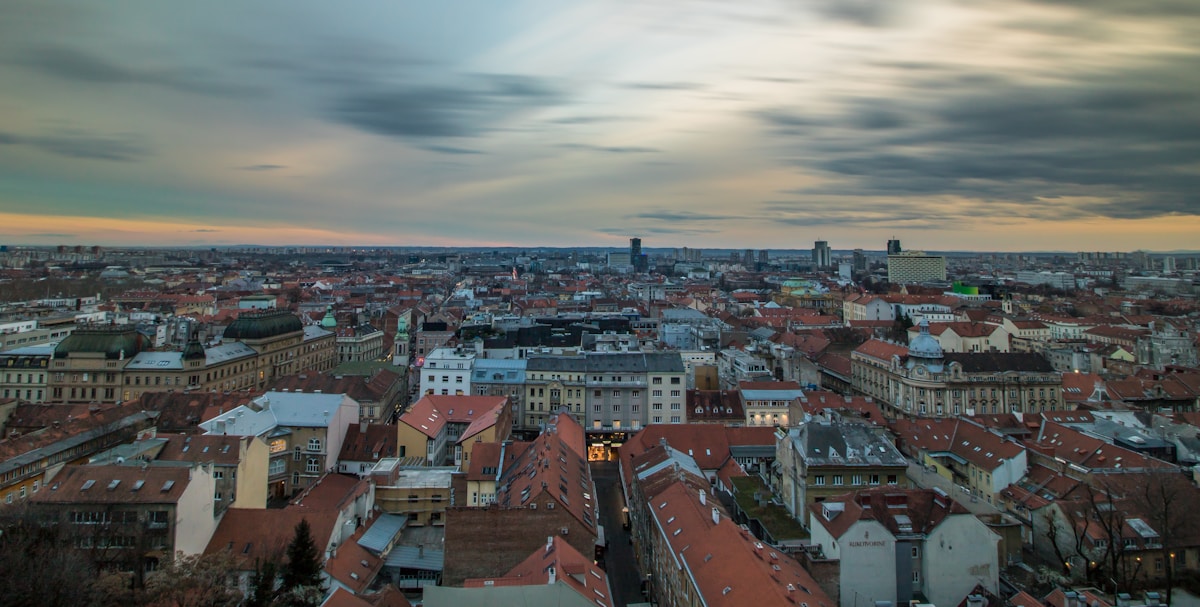
The city divides broadly into two areas. Gornji Grad (Upper Town) is the medieval hill settlement - cobbled streets, the mosaic-roofed St. Mark’s Church, the Lotrščak Tower, and the oldest parts of the city. Donji Grad (Lower Town) is the Austro-Hungarian planned city below: grid streets, green parks, wide boulevards, Tkalčićeva Street’s café strip, and the main railway station. Together they form a compact, very walkable city that rewards two to three days of exploration.
Getting to Zagreb
By Air
Zagreb Airport (ZAG) is served by low-cost and full-service carriers from across Europe. Airlines operating routes to Zagreb include Croatia Airlines (as a hub), Ryanair, EasyJet, Eurowings, and Wizz Air among others. Return flights from London typically range from €50–120 with budget carriers, more with full-service. From Zagreb Airport to the city centre: a shuttle bus runs to the main bus station (approximately €7, journey time 30–40 minutes depending on traffic); a taxi costs around €15–25. Alternatively, Welcome Pickups offers pre-booked transfers with a driver waiting in arrivals.
By Train from Budapest
The Budapest–Zagreb route is a practical and scenic option for those coming from central Europe - approximately 6 hours, with Intercity sleeper options available. Journey cost varies from €20–50 depending on class and booking timing.
By Train from Ljubljana
Ljubljana to Zagreb is a short 2.5-hour train journey, making it an easy connection for those touring Slovenia and Croatia together. Trains cost approximately €10–20.
By Bus from Split or Dubrovnik
Long-distance buses connect the Dalmatian coast to Zagreb - Split to Zagreb takes approximately 5 hours by bus (€15–25); Dubrovnik to Zagreb is around 10 hours overnight. A practical option for visitors doing a south-to-north Croatian route.
Getting Around Zagreb
Trams
Zagreb’s tram network is the backbone of city transport and one of the most useful in any Balkan capital. The tram system runs along the main axes of the Lower Town and connects Gornji Grad via the funicular. A single tram ticket costs approximately €0.53 for 30 minutes (timed), available from the driver or at kiosks. A 24-hour pass costs around €4.
The Zero line tram (Tram 0) runs a circular route through the city centre - useful for orientation on arrival.
The Funicular (Uspinjača)
The Zagreb funicular (Uspinjača) connects Ilica Street (Lower Town) to Gornji Grad (Upper Town) - at 66 metres, it is one of the shortest public funiculars in the world. Running since 1890, it is both a practical transport link and a piece of civic heritage. Tickets cost approximately €0.66. Runs every 10 minutes.
Walking
The city centre is compact and very walkable. Gornji Grad is entirely pedestrianised within its historic core. The main Lower Town attractions - Ban Jelačić Square, Tkalčićeva Street, the main market (Dolac), and the greenway parks - are within a 20-minute walk of each other.
Taxis and Ride-Sharing
Standard taxis are metered; Bolt operates in Zagreb and is typically 20–30% cheaper than street-hail taxis. The city is small enough that most journeys are under €5.
Gornji Grad (Upper Town)
Gornji Grad is the oldest part of Zagreb - a medieval settlement on a hill above the modern city. The main access is via the funicular from Ilica Street or stairs from several entry points. The defining sight is St. Mark’s Church, with its extraordinary mosaic-tiled roof showing the coats of arms of Croatia, Dalmatia, Slavonia, and Zagreb. Entry to the church is free; the square around it is one of the quietest and most atmospheric in the city.
The area also contains Lotrščak Tower (€2, with panoramic views and the daily noon cannon fired since 1877), the Croatian Museum of Naïve Art, the Museum of Broken Relationships (one of Zagreb’s most-visited museums - see below), and a series of quiet streets with old stone buildings. The Strossmayer Promenade runs along the southern edge of the hill with views over the Lower Town rooftops.
Donji Grad (Lower Town)
Donji Grad is Zagreb’s 19th-century Austro-Hungarian planned city - wide grid streets, green parks (the Lenuci horseshoe of parks and squares is a UNESCO candidate), and the cultural institutions that define the city. The main public square, Ban Jelačić Square, sits at the boundary between Upper and Lower Town and functions as the city’s central meeting point.
Tkalčićeva Street - running north from the square - is Zagreb’s main outdoor café strip, packed with tables from spring through autumn. The street has a density of drinking options in a relatively small stretch, from morning coffee to late-night cocktail bars. Dolac market (open mornings, every day, above the square) supplies much of the city’s fresh produce and is worth walking through even without intending to buy.
The Botanical Garden and the Croatian National Theatre are Lower Town landmarks; the green park network makes it a pleasant city to walk through even outside the main tourist sites.
When to Visit
- April–May: The best months for mild weather (15–22°C), open café terraces, and no tourist crowds. The city is at its most liveable.
- June: Warm and pleasant; the city begins to fill for summer but not to coastal levels.
- July–August: Hot (28–35°C), but Zagreb doesn’t suffer from the extreme Adriatic tourist density. Tolerable and still good, though some Zagrebians leave for the coast.
- September–October: Excellent - warm enough for terraces, less busy, the parks are striking in autumn colour.
- December: Exceptional if you time it for the Advent in Zagreb Christmas market, which runs from late November through January and has won Europe’s best Christmas market award multiple times. The city fills noticeably during this period - book accommodation early.
Zagreb Currency and Costs
Croatia adopted the euro (€) in January 2023. The old kuna is no longer in circulation anywhere.
Rough cost guide (as of 2026):
| Item | Approximate cost |
|---|---|
| Tram single ticket | €0.53 |
| Funicular | €0.66 |
| Coffee at a café | €1.50–2.50 |
| Market lunch | €4–8 |
| Mid-range restaurant per person | €15–25 |
| Museum of Broken Relationships | €7 |
| Lotrščak Tower | €2 |
| Budget hotel double | €40–60 |
| Mid-range hotel double | €70–110 |
Zagreb is noticeably cheaper than the main Adriatic coastal cities - plan on spending less here than in Dubrovnik or Split for equivalent accommodation and dining quality.
Zagreb City Guides
- Things to do in Zagreb
- Where to stay in Zagreb
- Best hotels in Zagreb
- Best restaurants in Zagreb
- Zagreb food guide
- Cafes to work in Zagreb
- Vegan food in Zagreb
For the broader Croatian picture, see the Croatia travel guide.
See also
- Ljubljana vs Zagreb
- Belgrade vs Zagreb
- Split
- Dubrovnik
- Croatian coast road trip
- Day trips from Zagreb
- Food tours in Zagreb
- Where to stay in Zagreb
Plan your trip: Browse tours and activities in Zagreb to see what’s available, from walking tours to day trips. Hire a car if you want flexibility for the surrounding area, and cover your journey with Balkans travel insurance.
Book an experience
Top experiences in Zagreb Travel Guide
Explore the best tours and activities in Zagreb Travel Guide - instant confirmation, free cancellation on most bookings.