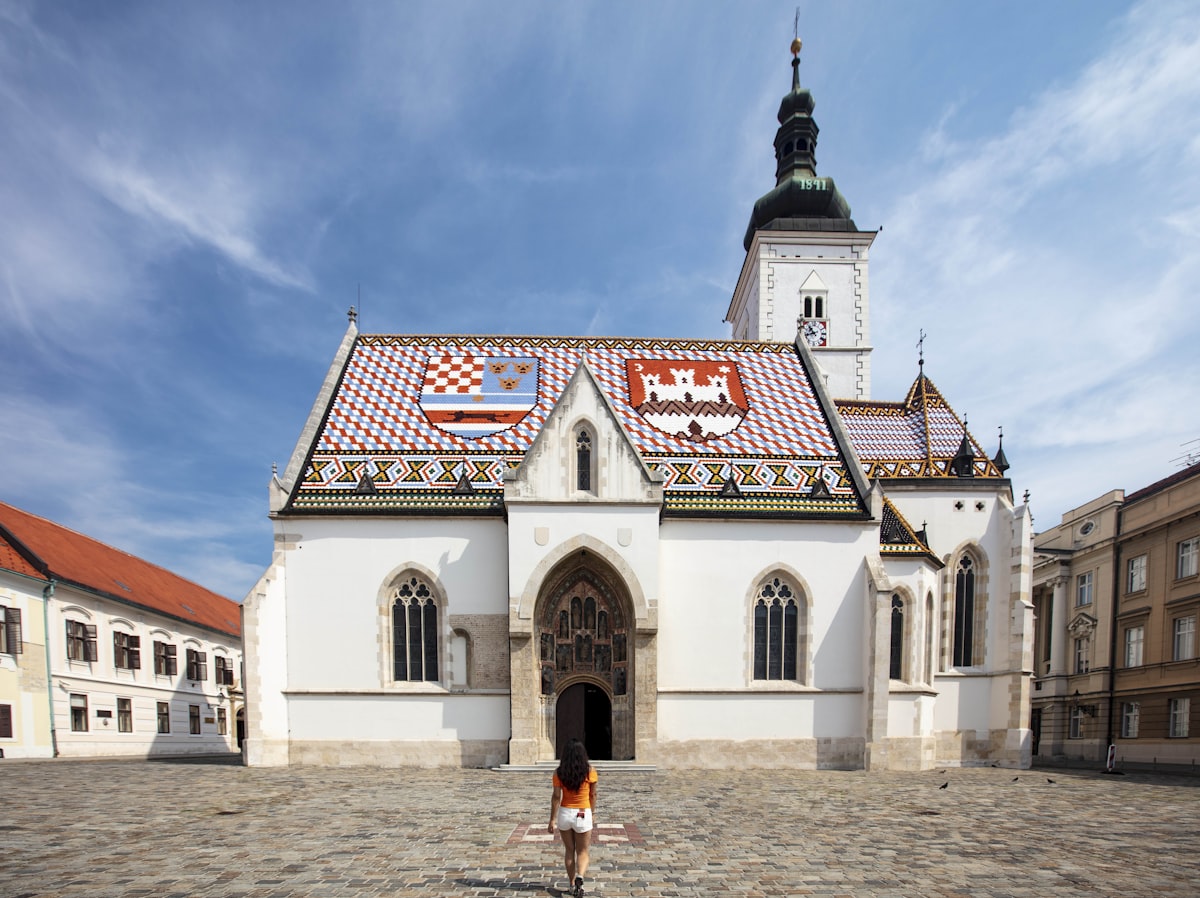
Zagreb’s food scene operates on a different logic from the coast. There’s no grilled fish, no Croatian-for-tourists menus built around Dalmatian classics. The city draws from the Zagorje region north of it, from Austro-Hungarian bakery traditions, and from a younger generation of chefs who are doing interesting things with inland Croatian ingredients. A food tour here is less predictable than Dubrovnik, and better for it.
This guide covers the operators worth booking, the dishes you should know before arriving, and how to eat well independently after the tour.
What Zagreb’s Food Culture Is Built On
Continental Croatia’s kitchen is shaped by the same influences that shape cooking across the Pannonian plain - Hungarian, Austrian, and Venetian (in the east) overlaid on Slavic peasant traditions that produce rich, fat-forward food designed for cold winters. Lard rather than olive oil; roasted pork and game rather than seafood; heavy pastries and cream-filled cakes rather than the honey-and-nut sweets of the Adriatic.
The central reference point is štrukli - a pastry made from stretched dough, filled with cottage cheese, and either boiled in salted water or baked. Boiled štrukli is soft and mild; baked is crisper, richer, and usually finished with cream. Zagreb’s version, made in the Zagorje tradition, is protected as a Croatian cultural heritage dish. The differences between good and mediocre štrukli are substantial - the dough thickness, the cheese-to-salt ratio, the quality of the dairy - and a food tour is the fastest way to encounter the genuine article.
The Dolac market, a covered and open-air market one level above Jelačić Square, has operated since 1930 and remains the city’s primary retail produce market. Farmers from the Zagorje villages bring cheese, honey, eggs, mushrooms, and seasonal vegetables. The lower level handles fish (surprisingly good for a landlocked city - suppliers from the coast deliver daily). Dolac is the starting point for most Zagreb food tours and the place where you best understand what the city actually eats, as opposed to what restaurants have chosen to serve tourists.
Zagreb Food Tour Operators
Taste of Zagreb (tasteofzagreb.com) runs what is widely considered the most thorough food tour in the city. Their signature tour covers Dolac market, a štrukli tasting at a Gornji Grad restaurant, a stop for kremšnita (custard cream cake), rakija sampling, and local craft beer. Price approximately €50–70 per person as of 2026; duration around 3.5–4 hours. The itinerary is built around stops in both the Upper Town (Gornji Grad) and Donji Grad (Lower Town), giving you a sense of the city’s geography alongside the food. Private tours available from approximately €150 for two people.
Their market-focused morning tour concentrates on Dolac and the surrounding streets - the old pharmacy street (Ilica), the Cvjetni Trg flower market - and runs approximately 2.5 hours at around €40–50 per person. Better option if you’re primarily interested in the produce and local shopping culture rather than restaurant stops.
Zagreb Food Tour via GetYourGuide listings offers a streamlined introduction to the city’s key dishes in 2.5–3 hours, priced at approximately €35–50 per person as of 2026. The format suits first-time visitors who want an efficient overview - štrukli, burek (the Bosnian-origin pastry that Zagreb has absorbed into its own breakfast culture), local cheese, and a wine or rakija stop. Reliable and consistent, though it covers less ground than the Taste of Zagreb tour.
Secret Zagreb combines food with history and architecture - a format that works particularly well in Zagreb’s Upper Town, where the buildings, the food traditions, and the Habsburg administrative history are inseparable from each other. Price approximately €45–60 per person, duration around 3 hours. Their guides have backgrounds in cultural history rather than solely food, which shapes the register of the tour usefully.
The Dishes That Define a Zagreb Food Tour
Štrukli: Zagreb’s signature dish, in both forms - boiled (kuhani) and baked (pečeni). The dough is made from flour and eggs, stretched thin, filled with a mixture of cottage cheese, sour cream, and egg, then folded and cooked. At its best, it’s a genuinely excellent dish; the cheese-to-pastry ratio and dairy quality are what separate a good one from a forgettable one. Look for it at Restoran Stari Fijaker 900, Konoba Didov San, and Pivnica Pivac in the city centre.
Kremšnita: A custard cream cake in two layers - choux pastry or puff pastry on top and bottom, custard cream in between. Samobor and Bled both claim the definitive version; Zagreb’s version is richer and less sweet than the Bled edition. Available at almost every café but worth seeking out at Kavana Dubrovnik on the main square for a well-made version.
Burek: A Bosnian pastry that Zagreb has made its own - flaky filo filled with minced meat (burek proper) or cheese (sirnica). Served as a breakfast or quick lunch at pekara bakeries throughout the city. Price approximately €2–4 per portion. The best versions come fresh from the oven before 9am; after 11am you’re eating reheated pastry.
Zagorski lonec: A slow-cooked pork and vegetable stew from the Zagorje region - the one-pot peasant dish that underpins Croatian continental cooking. It appears on food tour menus as a taste of the regional peasant tradition rather than a standard restaurant menu item. Expect pork ribs, sauerkraut, potatoes, and paprika; the flavour is deep and smoky from long cooking.
Čvarci: Pork cracklings, rendered from lard production, eaten as a snack or appetiser. More complex than they sound - the best versions have different textures across the piece, from shatteringly crisp at the edges to slightly yielding at the centre. Sold at Dolac market and at butchers throughout the city. Price approximately €5–8 per 100g for quality product.
Medica: A honey liqueur made in the Zagreb region, traditional enough to predate the rakija culture that dominates elsewhere in the Balkans. Sweeter than rakija and lower in alcohol (typically 30–35% ABV). Available at Dolac market from local producers; price approximately €8–15 for a small bottle.
Zagreb craft beer: The city’s craft brewing scene grew significantly between 2019 and 2025. Pivovara Medvedgrad (Croatia’s oldest craft brewery, with a taproom in the city centre) produces a consistent range of lagers and ales. Craft Room Zagreb and Zmajska Pivovara (Zmaj) are the two most-cited independent craft venues. Several food tours now include a craft beer segment in the late afternoon.
Dolac Market: What to Buy
The market operates Monday–Saturday from approximately 7:00am to 2:00pm (shorter hours Saturday). Sunday Dolac is smaller but runs year-round.
The cheese stalls on the upper level sell sir (white brined cheese similar to feta but milder), kulen (a paprika-cured sausage from Slavonia, eastern Croatia, worth buying to take home), and young pea tendrils and wild garlic in spring. Honey from Zagorje beekeepers, often in unusual varieties (acacia, chestnut, lime blossom), is well-priced at approximately €4–8 per jar.
The fish hall below the main market is where Zagreb’s surprising seafood quality becomes apparent - the suppliers trucking fresh catch from the Adriatic overnight means the octopus, sea bream, and tuna arrive fresher than in many coastal-adjacent cities.
Eating Independently After the Tour
Konoba Didov San, in the Upper Town near St. Mark’s Square, serves the most consistent štrukli in the city centre. Both boiled and baked versions, main courses approximately €9–14 as of 2026.
Loničar Bistro in the Lower Town handles modern Croatian cooking - heritage grain porridges, Zagorje vegetable dishes elevated to restaurant standard. A good choice if you want contemporary treatment of the same ingredients the food tour introduced you to.
Bistro Apetit, near the Botanical Garden, is one of Zagreb’s better options for a long lunch - continental Croatian menu executed with care. Main courses approximately €12–18 as of 2026.
Browse food tours, market walks, and cooking experiences in Zagreb on GetYourGuide.
For full planning context, the Zagreb city guide covers neighbourhoods, where to stay, and how to navigate the city’s café culture that runs parallel to its food scene.