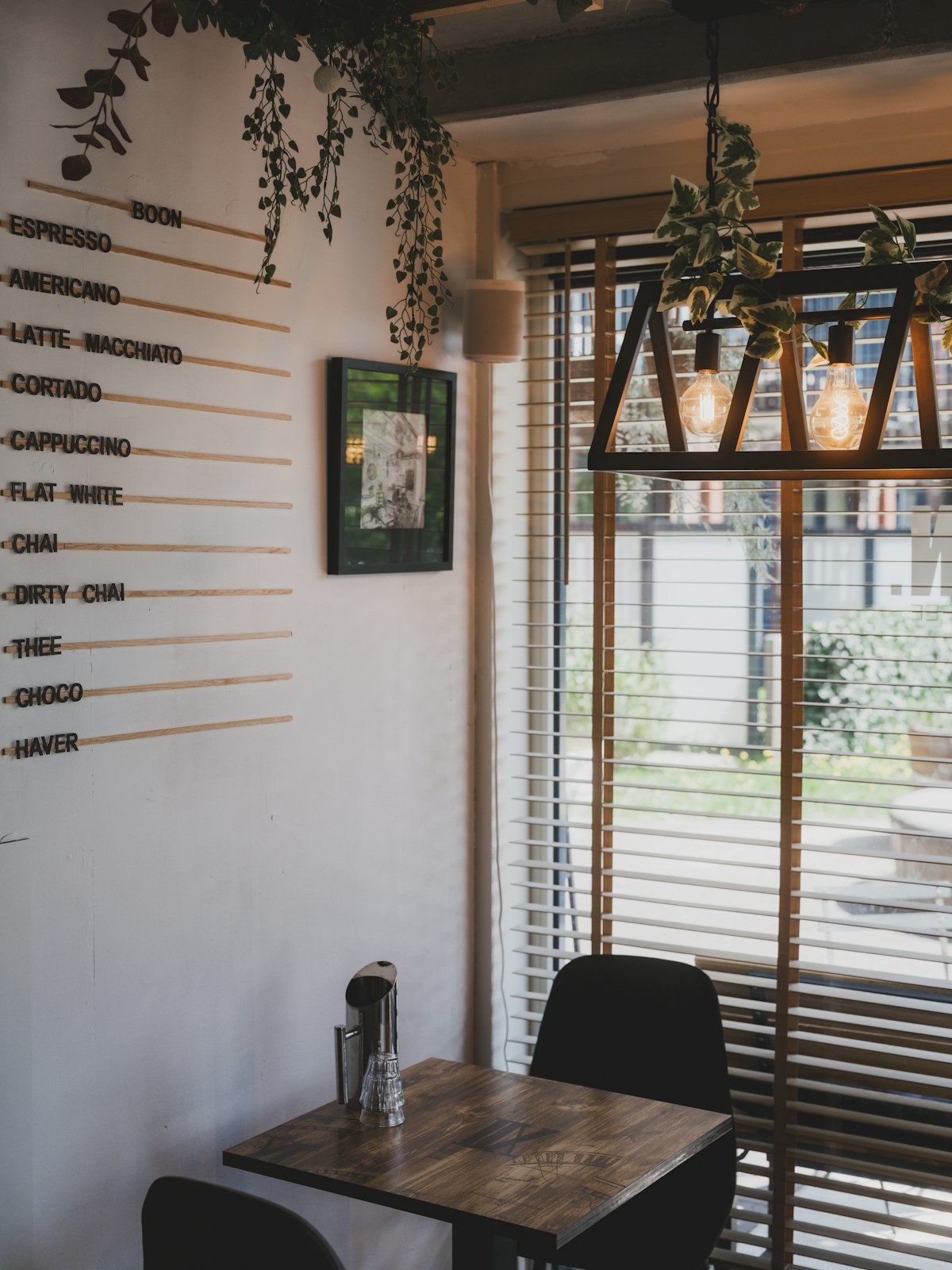
Zagreb is the only Croatian city with the population, infrastructure, and local density to sustain a mature café culture entirely independent of tourism. The capital has around 800,000 residents, a large university, a growing tech and startup sector, and a generation of baristas who trained on specialty coffee standards. The result is a city where the morning coffee ritual — kava at the bar or a slow espresso at a terrace table — plays out across dozens of excellent cafés, and where laptop workers are a normal part of the daily scene rather than a curiosity. All prices below are in euros (€) and approximate as of 2026.
Zagreb’s café culture
The central axis of Zagreb café life runs through Donji Grad (Lower Town), the 19th-century grid of parks, museums, and Austro-Hungarian buildings south of the old Upper Town. The greenway strip — seven interconnected squares running east–west, called the Lenuci Horseshoe — is lined with café-bars and filled with Zagreb residents from morning through evening. The Dolac market, just above the main Ban Jelačić square, operates mornings and draws the full cross-section of the city.
Tkalčićeva Street, Zagreb’s main café strip winding north from the square, offers dense terrace seating in warmer months. This is primarily a social and drinking environment rather than a working one — noise and orientation toward groups make it less suited for focused laptop sessions. The better working cafés are slightly off the main corridors: Martićeva in the eastern part of Donji Grad, or near the Gornji Grad (Upper Town) edge.
The etiquette is relaxed by Central European standards. You are expected to order occasionally — a coffee every hour or two is appropriate — but there is no time pressure, and the café-as-workspace model is well established among Zagreb’s freelancer and student population.
The best cafés in Zagreb
Cogito Coffee — the specialty standard
Cogito is Zagreb’s most respected specialty coffee operation — a roasting company with cafés in the city centre that takes sourcing, roasting, and preparation as seriously as any equivalent in Berlin or Amsterdam. The space on Varshavska ulica or Deželićeva (Cogito has multiple locations) uses salvaged furniture in a minimalist layout, with good natural light and a quiet atmosphere that leans naturally toward solo working.
The menu runs through the full specialty range: flat white, V60, AeroPress, pour-over, cold brew. Muffins and cookies come from a local bakery; croissants are regular. Cogito roasts its own beans on a fair-trade basis, and the single-origin options change with the season.
Regulars describe the atmosphere as focused and smoke-free — the only smell is coffee. The morning window (8:00–12:00) is the quietest and most productive. Power sockets are limited: arrive early for a wall-adjacent seat.
- Espresso drinks: €2.50–4.50
- Filter / pour-over: €3–5
- Food: Croissants, muffins, cookies €2–4
- WiFi: Typically 50–80 Mbps
- Hours: Approximately 8am–8pm
- Neighbourhood: Donji Grad (multiple locations)
- What locals order: Flat white, V60 single-origin, iced latte in summer
Johann Franck — grand café scale
Johann Franck occupies a converted 19th-century building near the main railway station in Donji Grad, close to the greenway park strip. The space is considerably larger than most Zagreb cafés — multiple rooms, high ceilings, and a riverside terrace that opens in summer — which translates to more consistent seat availability and better socket distribution. The Austro-Hungarian architectural context gives the café a distinctive weight: you are working inside a piece of Zagreb’s built history.
Coffee is good rather than exceptional: standard espresso preparation at honest prices. The atmosphere is busier and more social than Cogito, suited to longer sessions where you want background noise rather than silence. The terrace is not ideal for video calls (ambient noise) but works well for reading and writing work with good natural light.
- Coffee: €2–3.50
- Hours: Approximately 8am–midnight
- WiFi: Typically 40–70 Mbps
- Neighbourhood: Donji Grad, near the railway station
- Best for: Long sessions; background-noise workers; afternoon social café
Booksa — the literary café
Booksa is a literary club and café on Martićeva ul. 14d in the eastern part of Donji Grad — a neighbourhood that has quietly become one of Zagreb’s most interesting streets, with design studios, art galleries, concept stores, and cafés alongside each other. Booksa is the neighbourhood’s anchor cultural institution.
The space is deliberately studious: books on the shelves (including English-language titles), tables sized for reading and writing, a customer base of writers, academics, and students. Coffee, tea, juices, and cocoa are on the menu; a small pizza oven provides food on selected evenings. The organisation behind Booksa is non-profit, which is reflected in the atmosphere — there is no commercial hustle, just a space intended to support reading, writing, and conversation.
Events are programmed throughout the week: book launches, literary talks, concerts, and workshops. Check the calendar before planning a full working day, as evening events can disrupt the afternoon quiet. Open Tuesday–Sunday approximately 10am–9pm.
- Coffee: €1.80–3
- Food: Drinks, tea, cocoa; pizza on event evenings
- WiFi: Typically 30–60 Mbps
- Hours: Approximately 10am–9pm (closed Monday)
- Neighbourhood: Martićeva, eastern Donji Grad
- What regulars order: Filter coffee, tea, and browse the English shelves
Tkalčićeva and Stross terrace cafés
Tkalčićeva Street and the Strossmayer Promenade terraces are Zagreb’s most social café environments — worth visiting for atmosphere, especially in spring and early summer when the terraces fill before they become crowded. Coffee runs €1.80–2.80 along Tkalčićeva, at the lower end of Zagreb pricing.
These are not working cafés in the strict sense: the orientation is social, the ambient noise is high in peak periods, and the outdoor setting makes power outlet access unreliable. Good for a morning coffee stop or a read; not recommended for calls or intensive focus work.
Coworking in Zagreb
Parallel Coworking
Parallel is Zagreb’s most established dedicated coworking space, with hot desks, fixed desks, private offices, and meeting rooms. The community skews toward startups, freelancers, and small tech teams; networking events run regularly.
- Day pass: Approximately €15–20
- Monthly membership: €150–300 depending on access level
- Best for: Visitors staying more than a week; anyone needing guaranteed meeting room access
Zagreb’s startup ecosystem includes several other coworking-adjacent spaces through incubators and accelerators — Startupbootcamp and Zagreb Hub among them. These tend to be community-specific and worth exploring for visitors with relevant professional backgrounds.
Remote work practicalities
Time zone: Central European Time (CET/UTC+1) in winter, CEST (UTC+2) in summer. Good overlap with London (same zone in summer) and workable with US East Coast mornings.
WiFi across Zagreb: Most central cafés provide 30–80 Mbps. This is sufficient for the full range of remote work tasks including video calls. Mobile data via A1 HR, T-Mobile Croatia, or Tele2 provides a reliable backup at approximately €10–15 for a prepaid SIM with 10–15 GB.
Plug type: Croatia uses Type F (Schuko) sockets — the same as most of mainland Europe. Standard European adaptors work; UK visitors need a converter.
Cost of a working day: Morning specialty coffee at Cogito, a lunch from Dolac market, and an afternoon session at Booksa or Johann Franck runs approximately €10–18. A day pass at Parallel coworking brings that to €25–35 all-in.
Working hours: Most Zagreb cafés open 7:00–8:00am and close at 10pm or later. The quietest windows are 8:00–12:00 and 14:00–17:00. Cogito and Booksa are the safest choices for video calls requiring low ambient noise.
For area advice and longer stays, see our Zagreb neighbourhoods guide. For the full city overview, see the Zagreb travel guide.
See also
Plan your trip: Pick up a Balkans eSIM before arrival - essential for remote work across multiple countries. Travel insurance that covers laptop and equipment is worth adding too. Browse activities in Zagreb for days when you’re off the laptop.