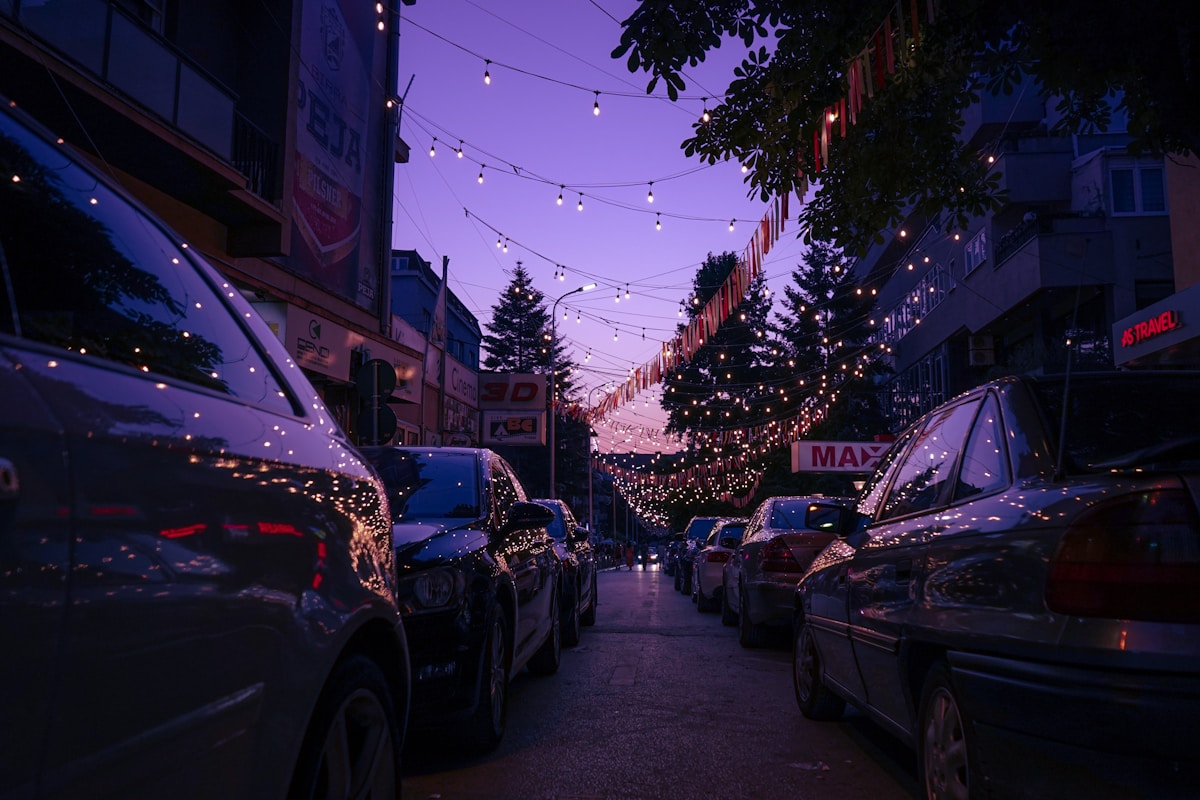
Kosovo Albanian cuisine sits at the crossroads of Ottoman, Balkan, and Mediterranean traditions - heavy on grilled meats, layered pastries, dairy products, and slow-cooked dishes. Pristina is the best place to explore it, with traditional restaurants, bakeries, and street food scattered across the city centre. The food is hearty, portions are generous, and prices are remarkably low by European standards. All prices below are approximate; Kosovo uses the euro.
Flija
Flija is Kosovo’s signature dish - a multi-layered crepe-like pastry that is unique to the region. Layers of thin batter are built up one at a time, each brushed with cream (kajmak) or butter, then baked slowly under a sač (a metal dome covered with hot coals). The process takes several hours and traditionally involves the entire family.
The result is a dense, rich, slightly crispy pastry with soft, creamy layers inside. Flija is traditionally served at weddings, celebrations, and family gatherings, but it is available in several Pristina restaurants. Expect to pay approximately €4–7 for a portion. Liburnia on Rr. Luan Haradinaj and Restaurant Renaissance both serve flija, though it may need to be ordered in advance - ask when booking.
Qebapa (Ćevapi)
Qebapa (the Kosovo Albanian term for ćevapi) are small, finger-shaped grilled sausages made from a mixture of beef and lamb (sometimes veal), seasoned with salt, pepper, and garlic. They are served in a somun (flatbread) with raw onion, kajmak (clotted cream), and sometimes ajvar (roasted pepper spread).
A portion of 5–10 qebapa with bread costs approximately €3–5. They are available at almost every traditional restaurant and many fast-food spots in the city centre. The best qebapa in Pristina are found at small grill houses around the old bazaar area - look for places with a visible grill and high turnover.
Burek and Pite
Burek is a flaky, spiral-shaped pastry filled with minced meat, baked in a round pan and sold by weight. It is eaten for breakfast, lunch, or as a snack. A portion costs approximately €1.50–3. Pite is a broader category of filled pastry - variations include pite me djathë (with cheese), pite me spinaq (spinach), and pite me kungull (pumpkin). Both are available at dedicated burek shops (buregjistore) throughout the city.
The best time to eat burek is in the morning when it comes fresh from the oven. Buregjistore te Haxhi Bejta near the old bazaar is one of the most established spots.
Tavë Kosi
Tavë kosi is a baked lamb and yogurt dish - chunks of lamb arranged in a clay dish, covered with a mixture of eggs, yogurt, and flour, then baked until the top sets into a golden crust. The dish is Albanian in origin and is common across both Albania and Kosovo. Expect to pay approximately €5–8 for a portion at a traditional restaurant.
Pishat Restaurant on Rr. Fehmi Agani is known for its tavë kosi and other traditional dishes.
Sarma
Sarma is a Balkan staple: minced meat and rice wrapped in cabbage leaves (or occasionally grape leaves), slow-cooked in a large pot with tomato sauce. In Kosovo, sarma is typically made with sauerkraut leaves in winter, giving a slightly sour, rich flavour. A portion of 3–5 rolls costs approximately €4–6. It is a winter dish primarily, most commonly available from October to March.
Fërgesë
Fërgesë is a baked dish of peppers, tomatoes, and white cheese (djathë i bardhë), sometimes with minced meat or liver added. The vegetarian version - peppers and cheese only - is one of the best options for non-meat eaters. Expect to pay approximately €4–6 for a portion. It is served in a small clay pot, bubbling hot from the oven.
Fasule (White Bean Stew)
Fasule is a thick white bean stew, slow-cooked with onion, tomato paste, peppers, and sometimes smoked meat. It is a standard winter dish, inexpensive and filling. A bowl costs approximately €2–4 and is often served with bread. Available at most traditional restaurants year-round.
Kajmak
Kajmak is a thick, slightly sour clotted cream - somewhere between cream cheese and butter in texture. It is served as a side with grilled meats, spread on bread, or used as a topping for pite. Kosovo kajmak tends to be saltier and denser than the Serbian version. Expect to see it as a side dish for approximately €1–2 or included with qebapa orders.
Baklava
Baklava in Kosovo follows the Turkish and Albanian tradition - layers of thin filo pastry filled with crushed walnuts (occasionally pistachios), soaked in sugar syrup. Kosovo baklava tends to be sweeter and more syrup-heavy than some Greek or Lebanese versions. A piece costs approximately €1–2. Buy it from pastry shops (pastiçeri) around the city centre or order it as dessert at a traditional restaurant.
Macchiato Culture
Kosovo’s café culture is built around the macchiato - a small espresso with foamed milk, served in a small glass. Pristina has an extraordinary density of cafes for its size, and the macchiato is the default order. A macchiato costs approximately €0.80–1.20 everywhere in the city.
The ritual matters as much as the drink: sitting in a cafe for hours, watching the street, meeting friends, and drinking multiple macchiatos through the day is a core part of Pristina social life. Do not rush it.
Where to Find the Best Examples
Liburnia (Rr. Luan Haradinaj) - Traditional Kosovo Albanian restaurant with flija, tavë kosi, fërgesë, and grilled meats. Mains approximately €5–10. Reservations recommended for flija as it requires advance preparation.
Pishat (Rr. Fehmi Agani) - Solid traditional restaurant with a wide menu. Known for tavë kosi and grilled meats. Mains approximately €5–8.
Tiffany Restaurant (near Mother Teresa Boulevard) - Long-running restaurant with both traditional and international options. Grilled meats and pite are strong here. Mains approximately €6–10.
Old Bazaar area - Several small grill houses and burek shops around the old bazaar offer the best casual eating in the city. No reservations needed; just walk in and point.
Practical Tips
Vegetarian options: Limited in traditional restaurants but not impossible. Fërgesë without meat, pite me spinaq, fasule, and salads are available. Tell the waiter “pa mish” (without meat).
Tipping: Not obligatory but appreciated. Rounding up the bill or leaving 5–10% is standard at sit-down restaurants.
Opening hours: Most restaurants open from approximately 08:00–23:00. Sunday hours may be shorter. Burek shops open early (06:00–07:00) and close when the day’s stock runs out.
See also
- Kosovo travel guide
- Best restaurants in Pristina
- Things to do in Pristina
- Albania travel guide
- Balkans travel costs
Book accommodation in Pristina to stay central and within easy reach of the restaurants on this list.
Book accommodation in Pristina near Mother Teresa Boulevard or the Newborn Monument for walking access to the best ćevapi and qebapa spots on this list.
Plan your trip: Browse guided tours of Pristina - food tours and guided walks are a great way to get into the eating scene. Sort travel insurance before you fly, and grab a Balkans eSIM for data when you land.