Best Food in Bosnia: What to Eat in Bosnia and Herzegovina
Bosnian food occupies a specific position in the Balkans food conversation: it is where Ottoman and Central European culinary traditions collided most thoroughly, producing a cuisine of layered stews, grilled meat in flatbread, phyllo pastries of every description, and a coffee culture that is an institution in itself. Sarajevo, the country’s capital, is widely considered the best city in the former Yugoslavia for eating simply and cheaply. Prices below are approximate as of 2026; 1 EUR ≈ 1.96 BAM.
The Essential Dishes
Ćevapi — The Best in the Balkans
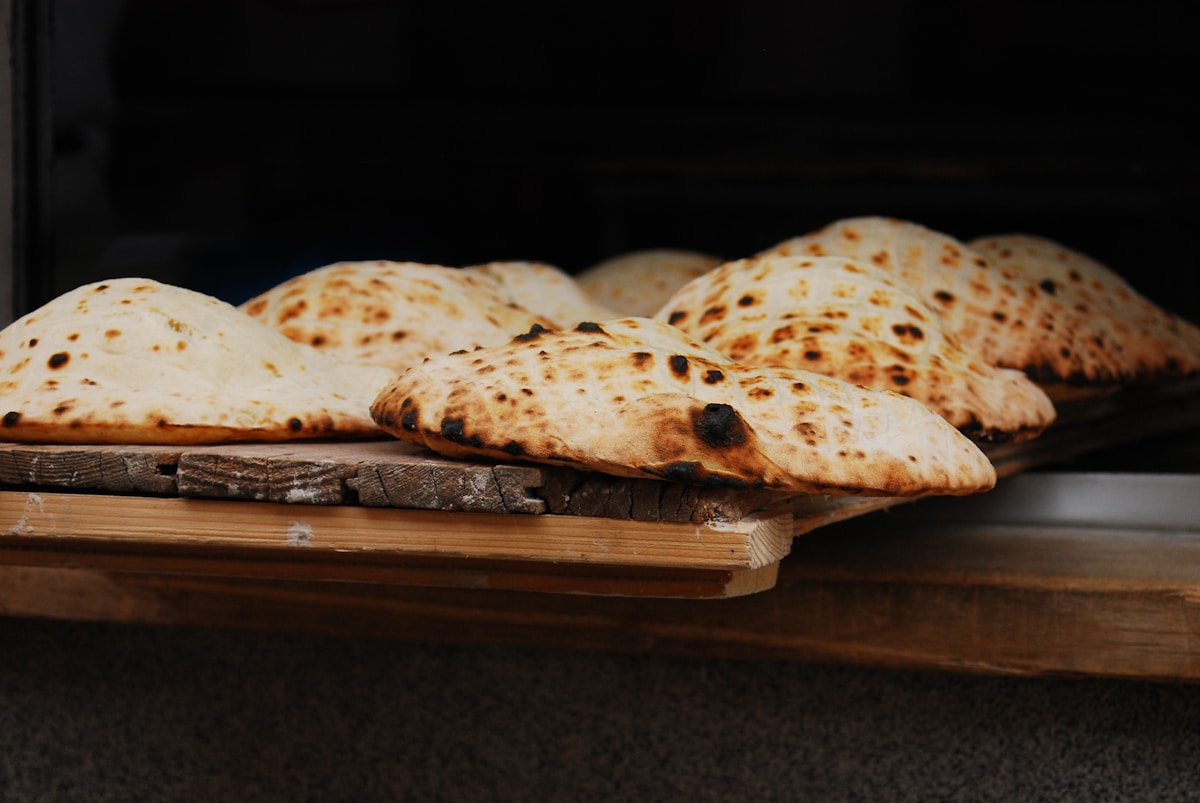
Bosnia’s ćevapi are the gold standard against which every other version in the region is measured. These finger-shaped sausages of minced lamb and beef — thinner than the Serbian version, less seasoned, cooked fast over hot charcoal — are served in somun, a round, pillowy flatbread baked fresh daily. A portion (porcija) of 10 sausages arrives with raw onion, a small tub of kajmak (salted cream), and nothing else.
Sarajevo’s ćevapi are not dressed up. The quality is in the meat, the grind, the charcoal heat, and the freshness of the somun. The city takes this seriously: there are neighbourhoods (notably Baščaršija, the Ottoman bazaar quarter) that have served ćevapi essentially unchanged for two centuries.
Price: BAM 8–14 (EUR 4–7) for a 10-piece portion with somun. In Sarajevo, price differences between ćevapžinica (ćevapi shops) are minimal — the gap is in quality.
Where to eat ćevapi in Sarajevo:
Žejlo (Zeljo) (Kundurdžiluk 19, Baščaršija) — The most consistently recommended ćevapi spot in Sarajevo, and one of the most famous in the Balkans. Small, always busy, no-frills interior, fast service. The charcoal is hot and the somun is fresh. Arrive before 12:30 or after 14:00 to avoid the longest queues. Approximately BAM 9 (EUR 4.60) for a standard portion.
Hadžinica (Bravadžiluk 34, Baščaršija) — Second only to Žejlo in local reputation, slightly larger and fractionally less busy. The ćevapi are excellent here and the service is faster. Approximately BAM 9–12 (EUR 4.60–6.10).
Burek
Burek in Bosnia is the ur-form of the dish — the version from which Serbian, Croatian, and Macedonian variants derive. Thin phyllo pastry layered with filling, coiled into a round, and baked until golden and flaky. The fillings are:
- Burek — meat (the original; in Bosnia this is the only correct use of the word)
- Sirnica — white cheese
- Zeljanica — spinach and cheese
- Krompiruša — potato
The best burek is sold hot from pekara (bakeries) in the morning, cut into slices and eaten immediately. Old-city Sarajevo has dozens of pekara operating from 05:00 selling fresh burek alongside jogurt (drinking yogurt served in a tall glass, drunk alongside burek as the standard morning pairing).
Price: BAM 2–5 (EUR 1–2.60) per slice.
Bosanski Lonac
Bosanski lonac (“Bosnian pot”) is the country’s most emblematic slow-cooked dish — a layered stew of beef, lamb, pork, and vegetables (cabbage, potatoes, carrots, peppers) cooked for hours in a clay pot or sealed vessel without stirring. The result is a deep, unctuous broth and tender meat. It is primarily a home dish; finding it on restaurant menus requires looking, but traditional restaurants (aščinica) serving Bosnian classics usually have it at lunch.
Price: BAM 12–20 (EUR 6–10) at a traditional restaurant.
Grah
Grah is Bosnia’s bean stew — dried white beans cooked slowly with smoked pork ribs, onion, and paprika. It is simpler than bosanski lonac but just as deeply satisfying. Served in a clay bowl with bread. In Bosnia, grah is serious food rather than an afterthought.
Price: BAM 6–10 (EUR 3–5).
Baklava and Sweets
The Ottoman pastry legacy in Sarajevo is visible in every sweet shop in Baščaršija. Baklava — paper-thin phyllo with walnuts, soaked in rose water or regular syrup — is made lighter and less sweet here than in Turkey, and is among the best in the Balkans. Buy by weight from Baščaršija sweet shops.
Tufahije — whole baked apples stuffed with walnuts and whipped cream — is a Bosnian speciality with no equivalent elsewhere in the region. One is enough.
Halva — sesame or sunflower paste pressed into a block and sold by the slice — is the other characteristic Bosnian sweet.
Price: Baklava from BAM 1.50–4 (EUR 0.75–2) per piece. Tufahije: BAM 4–7 (EUR 2–3.60).
Bosnian Coffee
Bosanska kafa is not Turkish coffee with a different name. The preparation is distinct: coarsely ground coffee is boiled directly in a small copper pot (džezva) and brought to the table still brewing, alongside a fildžan (small handleless cup), a sugar cube, and a small piece of rahat lokum (Turkish delight). The correct method is to pour slowly, let the grounds settle, and eat the sugar cube between sips rather than dissolving it in the coffee.
Drinking Bosnian coffee is not a transaction — it is an occasion. Conversations over kahva in Sarajevo’s riverside cafes routinely last two hours. The coffee is not especially strong by espresso standards, but the ritual is the point.
Price: BAM 2–4 (EUR 1–2).
Where to Eat in Sarajevo Beyond Ćevapi
Inat Kuća (Velika Avlija bb, opposite the Academy of Fine Arts) — “Spite House” — a nineteenth-century house relocated stone by stone to make way for a municipal building. Now a restaurant serving traditional Bosnian cooking in an Ottoman-era interior: bosanski lonac, grah, stuffed peppers, and the full range of national dishes. Mains BAM 14–22 (EUR 7–11). Best for a sit-down Bosnian meal in the old city.
Park Prinčeva (Iza Hidžreta 7) — Restaurant on a hillside above Sarajevo with panoramic views of the city and a menu of Bosnian and regional dishes. The setting is the main attraction but the food is competent. Mains BAM 16–30 (EUR 8–15). Book ahead for dinner.
Barhana (Baščaršija) — Popular contemporary Bosnian restaurant serving updated versions of national dishes with a more polished presentation than most old-city options. The lamb and the stuffed vegetables are well executed. Mains BAM 14–24 (EUR 7–12).
Mala Kuhinja (Mula Mustafe Bašeskije) — Small neighbourhood restaurant with a short menu of daily-changing Bosnian classics at very honest prices. Often full at lunch. Mains BAM 8–16 (EUR 4–8). The kind of place Sarajevo locals actually eat at regularly.
Eating in Mostar
Mostar’s food scene is smaller but consistent with Sarajevo standards. Šadrvan (Jusovina bb) near the old bridge is the most visible restaurant and serves decent Bosnian classics in a tourist-facing setting. For better value, walk away from the Stari Most bridge and look for neighbourhood aščinica serving grah and lonac.
Practical Notes
- Aščinica: These are traditional Bosnian restaurants serving home-style cooked dishes — grah, lonac, stuffed peppers — by the portion at low prices. They are the best value for a midday meal in any Bosnian town.
- Drinking: Bosnia is officially Muslim-majority but alcohol is widely available and served in most restaurants. Local beer (Sarajevsko) is good and cheap. Rakija is served everywhere.
- Tipping: 10% is appreciated at sit-down restaurants; rounding up is fine at ćevapžinica and pekara.
See Also
Plan your trip: Browse food tours and cooking experiences in Sarajevo or Bosnia-wide activities. Search flights to Sarajevo and compare prices early.
Book an experience
Food tours & cooking classes
A guided food tour covers more ground than eating solo — and you learn the backstory.