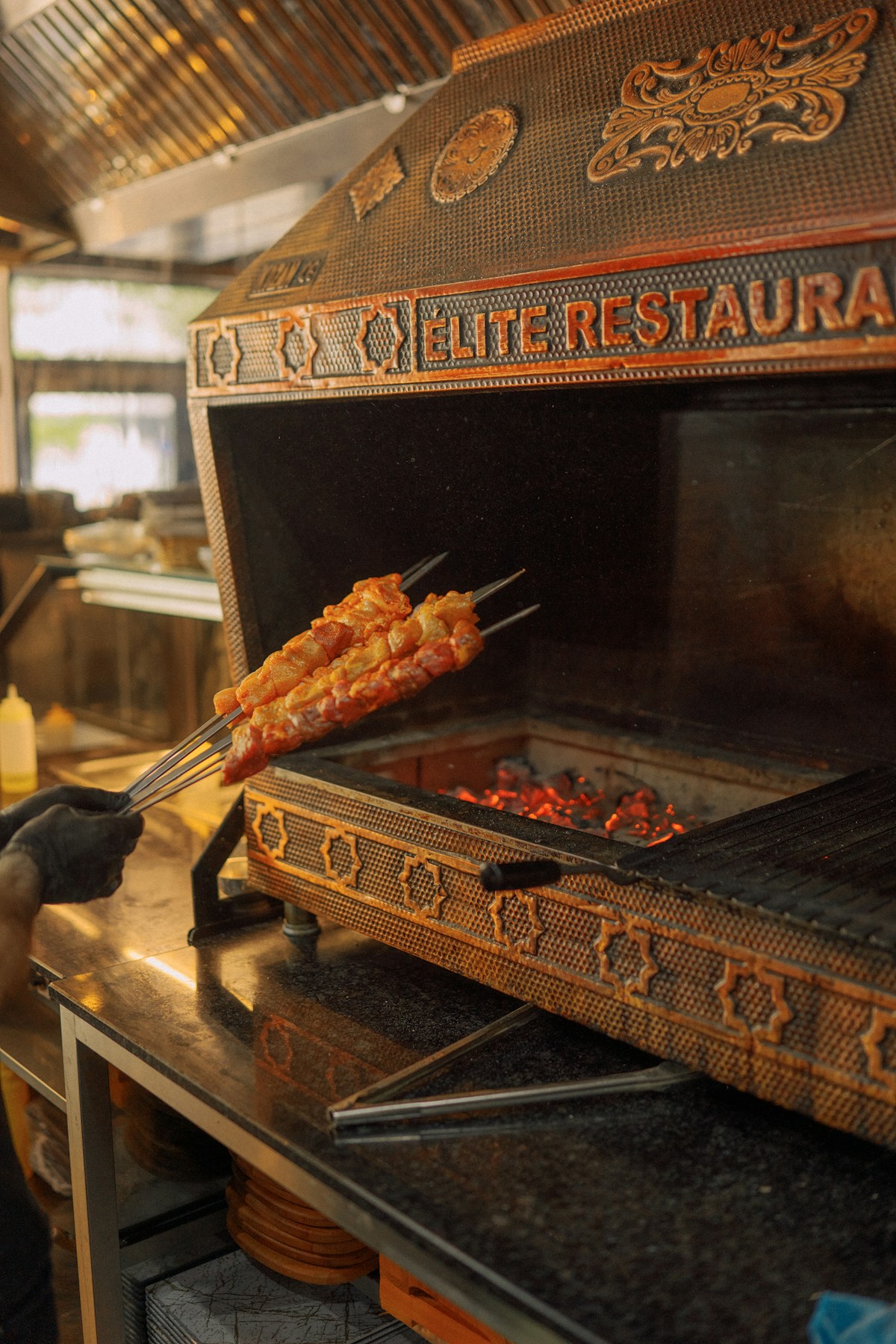
Kosovo Albanian cuisine sits at the intersection of Ottoman, Balkan, and Adriatic influences - layered pastries, slow-cooked meats, generous dairy, and a coffee culture that treats the act of sitting in a café as a legitimate daily occupation. Pristina has a lively restaurant scene that punches above its size, and Prizren’s old town has some of the most atmospheric places to eat in the entire country. All prices are approximate; Kosovo uses the euro.
The Essential Dishes
Flija
Flija is Kosovo’s signature dish and the one food that does not exist in quite the same form anywhere else. It is a multi-layered crepe-like pastry - thin batter poured in rounds, each layer brushed with kajmak (clotted cream) or butter and allowed to set before the next layer goes on, the whole structure baked slowly under a sač (a cast iron dome covered with hot coals). The process takes three to four hours.
The result is a dense, rich pastry: slightly crispy on the outside, with soft, layered cream-soaked layers inside. Flija is traditionally made for weddings, celebrations, and important guests. In restaurants, it is usually prepared in advance and must be ordered ahead. A portion costs approximately €4–8.
Where to find it: Liburnia Restaurant (Rr. Luan Haradinaj, Pristina) has flija consistently on the menu. Restaurant Renaissance (central Pristina) also serves it, though calling ahead is advised. In Prizren, several restaurants in the old town near Shadervan Square prepare it for weekend orders.
Burek and Pite
Burek is a spiral-shaped phyllo pastry filled with minced meat, baked in a round pan and sold by weight. Eaten for breakfast, as a snack, or alongside a main meal. Pite is a broader category of filled pastry in individual portions or by slice: pite me djathë (with cheese), pite me spinaq (spinach), pite me kungull (pumpkin).
The best burek is eaten fresh from the oven in the morning. A portion of burek costs approximately €1.50–3; individual pite cost €1–2.
Where to find it: Dedicated burek shops (buregjistore) throughout Pristina city centre. Buregjistore te Haxhi Bejta near the old bazaar is one of the most established. In Prizren, the covered bazaar has several good burek shops open from early morning.
Tavë Kosi
Tavë kosi is a baked lamb and yogurt dish - chunks of lamb arranged in a clay dish, covered with a mixture of beaten eggs, yogurt, and flour, then baked until the top sets into a golden crust. It is Albanian in origin, common across both Albania and Kosovo, and one of the most satisfying things on any traditional restaurant menu. A portion costs approximately €6–9.
Where to find it: Pishat Restaurant (Rr. Fehmi Agani, Pristina) is consistently recommended for tavë kosi. Restaurant Tiffany (near Mother Teresa Boulevard) also does a reliable version.
Qebapa (Ćevapi)
Qebapa are small, finger-shaped grilled sausages of mixed beef and lamb (sometimes veal), seasoned with salt, pepper, and garlic. Served in a somun (flatbread) with raw onion, kajmak (clotted cream), and sometimes ajvar. A portion of 5–10 qebapa with bread costs approximately €3–5, making this one of the best-value meals in the country.
Find them at small grill houses around the old bazaar area in Pristina - look for places with a live grill and high turnover rather than tourist-facing menus.
Fërgesë
Fërgesë is a baked dish of peppers, tomatoes, and white cheese (djathë i bardhë), sometimes with minced meat or liver added. The vegetarian version - peppers and cheese only - is one of the better non-meat options in a traditional Kosovo restaurant. Served in a small clay pot, bubbling hot. Approximately €4–7.
Sarma
Minced meat and rice wrapped in cabbage or sauerkraut leaves, slow-cooked in a pot with tomato sauce. In winter, sauerkraut-wrapped sarma is the standard version - the slight sourness of the fermented cabbage balances the richness of the filling. A portion of four to five rolls costs approximately €4–7.
Fasule (White Bean Stew)
A thick white bean stew slow-cooked with onion, tomato paste, peppers, and sometimes smoked meat. The meat-free version is a practical vegan option. Filling, inexpensive, and available year-round. A bowl costs approximately €2–4.
Kajmak
Thick, slightly sour clotted cream, denser and saltier than the Serbian version. Served as a side with grilled meats, spread on bread, or used as a condiment for pite and burek. Kosovo kajmak is one of those things that, once tried, makes ordering grilled meat without it seem incomplete. Approximately €1–2 as a side.
Baklava
Multiple layers of thin phyllo filled with crushed walnuts (occasionally pistachios), soaked in sugar syrup. Kosovo baklava follows the Turkish tradition - sweet, dense, and syrup-heavy. A piece costs approximately €1–2 from pastry shops (pastiçeri) across both Pristina and Prizren. The old town of Prizren has several excellent pastiçeri near the central mosque.
Turkish Coffee Culture
Kosovo’s café culture is inseparable from the macchiato - a small espresso with foamed milk, served in a small glass. Pristina has an extraordinary density of cafés for its size. A macchiato costs approximately €0.80–1.20 everywhere in the city. Turkish coffee (kafe turke) - ground coffee boiled in a copper džezva with or without sugar - is also common and follows the Bosnian tradition of being a slow, deliberate ritual.
The social function of the café is as important as the drink. Sitting for one to two hours over a single macchiato is normal, not rude.
Where to Eat in Pristina
Liburnia (Rr. Luan Haradinaj) - Traditional Kosovo Albanian restaurant with flija, tavë kosi, fërgesë, qebapa, and grilled meats. Mains approximately €5–10. One of the better all-round traditional restaurants in the city. Reservations recommended for flija.
Pishat (Rr. Fehmi Agani) - Solid traditional restaurant with a wide menu. Known for tavë kosi and grilled meats. Reliable and consistently good. Mains approximately €5–8.
Tiffany Restaurant (near Mother Teresa Boulevard) - Long-running restaurant with both traditional and international options. The pite, grilled meats, and sarma are strong. Mains approximately €6–10. Good for groups.
Renaissance Restaurant (city centre) - Serves flija alongside a broader traditional menu. More formal setting than Liburnia or Pishat. Mains €6–10.
Old Bazaar Area Grill Houses - Several small, unnamed grill houses around the old bazaar serve qebapa and kebab from morning until evening. No reservations, no fuss. Order at the counter. Approximately €3–5 for a full qebapa portion with bread.
Where to Eat in Prizren
Prizren’s old town around the Bistrica River is the most atmospheric part of Kosovo to eat in.
Restaurant Marash (near Marash Garden) - Traditional Albanian restaurant in a beautifully restored courtyard beside a stream. The setting alone justifies the meal. Lamb dishes, fërgesë, and grilled meats. Mains approximately €6–10.
Gjykata Restaurant (old town) - Named for its location near the old courthouse, with river terrace seating. Traditional Prizren dishes with good grilled meats and pite. Mains approximately €5–9.
Pastiçeri Kina (near Shadervan Square) - The best place in Prizren for baklava and traditional Albanian pastries. Baklava from €1–1.50 per piece. Worth stopping here before or after walking the old bazaar.
Take a Guided Food Tour in Kosovo
Kosovo’s food culture is among the most underdocumented in the region, shaped by Albanian, Ottoman, and Yugoslav influences that produced dishes - flija, ashure, spit-roasted lamb at Sunday gatherings - that visitors rarely encounter on restaurant menus without local guidance. A guided food tour of Pristina’s bazaar district or Prizren’s old town covers the real eating culture over 2–3 hours for approximately EUR 25–40 per person, and is usually the most direct route to the small family restaurants that define Kosovar cooking. Browse food tours in Kosovo.
Practical Notes
- Prices: Kosovo uses the euro, making budgeting straightforward for most European visitors.
- Vegetarians: Fërgesë without meat, pite me spinaq, fasule, and salads are the reliable options. Tell the waiter “pa mish” (without meat in Albanian).
- Tipping: Not obligatory but standard at 5–10% in sit-down restaurants. Round up at grill houses and burek shops.
- Opening hours: Most restaurants open approximately 08:00–23:00. Burek shops open from 06:00 and close when stock runs out.
See Also
- Kosovo travel guide
- Pristina food guide
- Prizren food guide
- Vegan food in Kosovo
- Balkans food guide
- Balkans travel costs
Plan your trip: Browse tours and activities in Kosovo - food tours and guided walks of Pristina are a good way into the eating scene. Search flights to Pristina and compare prices early. Browse hotels in Pristina - staying centrally keeps you close to the bazaar district restaurants and the best burek shops. Travel insurance is worth sorting before you go.