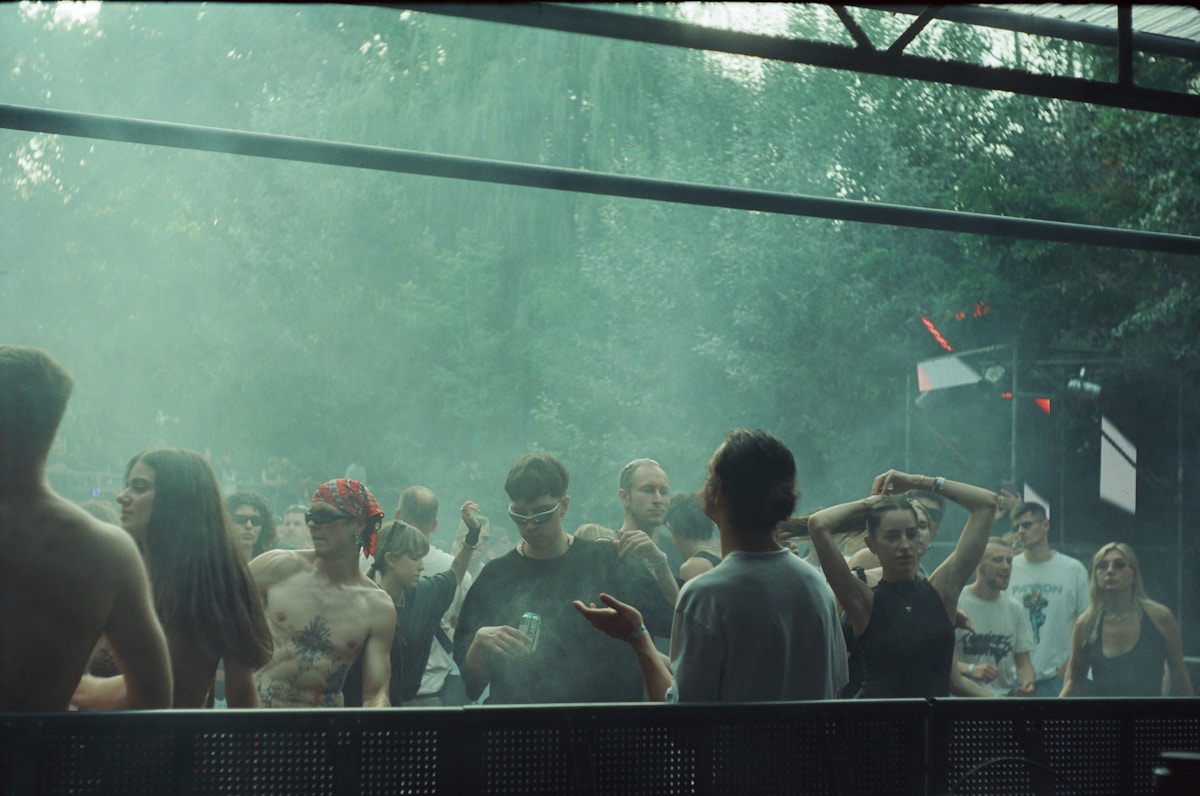
The Balkans has a dense festival calendar across summer and into autumn - from internationally headlined electronic events in Croatia and Serbia to some of the most distinctive folk music gatherings in Europe. This guide covers the major events with dates, ticket prices as of 2026, venues, and practical advice on getting there.
Serbia
EXIT Festival - Novi Sad
When: Mid-July (typically second week; check exit.rs for confirmed dates) Where: Petrovaradin Fortress, Novi Sad, Serbia Tickets: approximately €80–120 for a 4-day pass as of 2026; camping extra
EXIT is the most internationally known festival to come out of the Balkans. It began in 2000 as a student democracy movement and became a full music festival in 2001 - held at Petrovaradin Fortress, a sprawling 18th-century fortification above Novi Sad on the Danube. The fortress grounds give it a setting unlike any comparable European festival - multiple stages spread across the ramparts and underground corridors, with the main stage facing the river.
Programming covers electronic music (the main draw for international audiences), rock, hip-hop, and R&B, typically with four or five headliners per night. Day tickets are available but most visitors buy the full 4-day pass. A separate camping area on the fortress grounds is the most social option; accommodation in Novi Sad city fills fast.
Getting there: Novi Sad is 90km north of Belgrade. Direct trains and buses run from Belgrade; journey time approximately 1.5–2 hours, €5–10. Festival shuttle buses run from Belgrade, Sarajevo, and other cities during the festival days - check exit.rs for current routes. Browse Novi Sad tours and transfers for options.
Guča Trumpet Festival - Guča Village
When: Late July to early August (typically four days; check guca.rs) Where: Guča village, Dragačevo region, central Serbia Tickets: village entry and main field concerts are free; grandstand seating approximately €15–30
The Guča Trumpet Festival (Dragačevski Sabor trubača in Serbian) is Serbia’s most important folk music event and one of the most singular festival experiences in Europe. Brass bands from across Serbia and the region compete over four days in a national championship format, with free concerts running from morning to past midnight in the village square.
The music is Balkan brass - loud, technically complex, emotionally intense. It is not ambient background music; bands compete to outperform each other, and the atmosphere is correspondingly kinetic. The village of Guča has a normal population of around 3,000 and receives upwards of 600,000 visitors across the festival - which makes logistics demanding and advance planning essential.
Accommodation: book months ahead. Čačak (30km north, 30 minutes by bus) is the main base for visitors who cannot get Guča lodging. Camping in the village fields is the most atmospheric option; village families also rent rooms privately. Prices spike significantly during festival week.
Getting there: buses run from Belgrade (3 hours) and Čačak (30 minutes) during the festival. No trains to Guča. A car from Belgrade takes approximately 2.5 hours via Čačak.
Sajam Vina (Wine Fair) - Novi Sad
When: Late October Where: Novi Sad Fairground Tickets: approximately €5–10 entry
For wine-focused travellers, the Novi Sad Autumn Wine Fair is the most accessible introduction to Serbian wine production - hundreds of producers from across Serbia and the region pour at a single venue. Less spectacular than the summer music events but a good reason to visit in shoulder season.
Croatia
Ultra Europe - Split
When: Mid-July (typically second weekend; check ultraeurope.com) Where: Poljud Stadium, Split, Croatia, with additional boat and island events Tickets: approximately €80–150 for the main 3-day stadium festival as of 2026; boat parties and island afterparties priced separately
Ultra Europe is a franchise of the Miami Ultra Music Festival, launched in Split in 2013. The main festival takes place at Poljud Stadium - a 35,000-capacity venue on the edge of the city - over three days, with international DJ headliners across three stages. Additional boat parties on the Adriatic and island events extend the programme for up to a week.
For the electronic music audience, it is the highest-production event in the Balkans - with a sound and lights operation comparable to Western European equivalents. Split’s old town, islands, and beaches make the surrounding context considerably more attractive than most equivalent events.
Getting there: Split Airport (SPU) has direct seasonal flights from across Europe. The Poljud stadium is 3km from the old town - festival shuttle buses run from central Split. Browse Split tours and transport options.
INmusic Festival - Zagreb
When: Late June (typically three days; check inmusicfestival.com) Where: Jarun Lake, Zagreb, Croatia Tickets: approximately €60–80 for a 3-day pass as of 2026
INmusic is Croatia’s largest rock and alternative festival, held on a small island in Lake Jarun on the western edge of Zagreb. The format is a more traditional festival than Ultra - guitar-led headliners, indie and alternative acts, with camping on the lakeside. Past headliners have included well-known rock and alternative names from across Europe and North America.
The lake setting - swimming and festival in the same venue - makes it an accessible and relatively relaxed introduction to the Balkans festival circuit.
Getting there: Lake Jarun is accessible from Zagreb city centre by tram (lines 17 and 5) in approximately 20–25 minutes. Zagreb Airport has good connections from across Europe year-round.
Dubrovnik Summer Festival
When: 10 July – 25 August (dates are consistent year to year; check dubrovnik-festival.hr) Where: Multiple outdoor venues throughout Dubrovnik old town - Rector’s Palace courtyard, Fort Lovrijenac, Revelin Fortress, Gradac Park Tickets: approximately €15–60 per event depending on performance
The Dubrovnik Summer Festival is the oldest and most culturally significant arts festival on the Adriatic - running since 1950, it stages classical concerts, theatre, opera, ballet, and dance performances in Dubrovnik’s most atmospheric spaces. The Rector’s Palace courtyard and Fort Lovrijenac are the most iconic venues.
Programme quality is high and varied: a single week in July might include an orchestral concert, a Shakespeare play on the fortress ramparts, and a visiting dance company. Booking individual performances is recommended - capacity at the smaller venues is limited and popular performances sell out. Check the official website for the season programme, which is released each spring.
Getting there: Dubrovnik Airport (DBV) has direct seasonal flights. During the summer festival period, all the main performances are accessible on foot from anywhere in the old town. See our Dubrovnik Summer Festival guide for programme details and how to book.
Sea Star Festival - Umag
When: Late May (typically three days) Where: Stella Maris resort, Umag, northern Istria, Croatia Tickets: approximately €70–90 for a 3-day pass as of 2026
Sea Star is a beach electronic festival on the Istrian coast - smaller in scale than Ultra Europe but with a well-curated programme of electronic and dance music in a setting more immediately appealing than a stadium. Three days in late May means warm weather but not yet peak summer prices or crowds.
Getting there: Umag is on the western Istrian coast, approximately 50km from Pula and close to the Slovenian border. Regular buses from Pula and from Trieste (Italy). See our Sea Star Festival guide for line-up information and practical tips.
Outlook and Dimensions - Šibenik
When: Early September Where: Tvrđava sv. Mihovila (St. Michael’s Fortress) and surrounding venues, Šibenik, Dalmatia Tickets: approximately €120–180 for the full multi-day pass as of 2026
Outlook (bass music, dub, reggae, jungle) and its sister festival Dimensions (electronic, techno) were UK-originated events that relocated to Croatia for their combination of fortress setting and Adriatic location. Both take place across venues in and around Šibenik’s 15th-century fortress. The format is more intimate than Ultra Europe - the focus is on sound system culture and bass frequencies in a medieval stone setting.
Getting there: Šibenik has good bus connections from Split (1.5 hours, approximately €8) and Zadar (45 minutes).
Bosnia and Herzegovina
Sarajevo Film Festival
When: Mid to late August (typically eight days; check sff.ba) Where: Multiple cinemas and outdoor venues throughout Sarajevo Tickets: approximately €5–15 per screening; accreditation available for industry delegates
The Sarajevo Film Festival is the most significant film event in the Western Balkans - established in 1995, during the siege, and still running annually. It focuses primarily on Southeast European and Central Asian cinema alongside an international programme. Screenings take place in the Sarajevo War Theatre (Ratno pozorište), cinemas around the city, and an outdoor venue in the old town bazaar.
The festival is worth attending even with no prior interest in film festivals specifically - it overlaps with the city’s best summer weather, opens central Sarajevo to its most animated street life, and brings a concentrated programme of films that otherwise wouldn’t reach mainstream distribution.
Getting there: Sarajevo Airport (SJJ) has growing connections from Western Europe. The city centre is compact and walkable.
North Macedonia
Ohrid Summer Festival
When: Mid-July to mid-August (typically five weeks; check ohridleto.com.mk) Where: Antique Theatre, Church of St. Sophia, and lakeside venues, Ohrid, North Macedonia Tickets: approximately €15–40 per performance as of 2026
The Ohrid Summer Festival is one of the oldest classical music events in the Balkans - running since 1961 in a setting that is hard to match anywhere in the region. The Antique Theatre on the hilltop above Lake Ohrid holds performances of classical music, opera, and theatre against a backdrop of the lake and the Albanian mountains beyond.
The town of Ohrid itself is the main draw in North Macedonia - a UNESCO World Heritage site for both its natural and cultural significance, with Byzantine churches, a medieval fortress, and some of the clearest water in the Balkans. Combining the festival with a longer stay in Ohrid is straightforward and strongly worth doing.
Getting there: Ohrid Airport has seasonal direct flights from several European cities. Regular buses connect from Skopje (3 hours, approximately €10). Browse Ohrid activities and tours. See our Ohrid Summer Festival guide for the full programme and ticket information.
Montenegro
Sea Dance Festival - Buljarica Beach
When: Late July (typically three days; check seadancefestival.me) Where: Buljarica beach, near Petrovac, Montenegro Tickets: approximately €60–80 for a 3-day pass as of 2026
Sea Dance is EXIT’s sister festival - same organisation, smaller scale, Montenegrin beach setting. Buljarica is a long sandy beach south of Budva, one of the better beaches on the Montenegrin coast. Three days of electronic music and house on the beach, with camping and accommodation in the immediate area.
Getting there: buses from Budva (20 minutes) and Podgorica (1.5 hours). Podgorica Airport is the nearest gateway with international connections.
Festival planning notes
Book accommodation early for major festivals. EXIT and Guča in particular - Novi Sad and Guča village accommodation fills months ahead. For EXIT, the official camping on the fortress is often the most realistic option for visitors without established local contacts.
Ticket prices change each year - figures above are approximate as of 2026. Check official festival websites for current pricing before booking.
Transport between festivals: a well-planned late-July Balkans trip can combine EXIT (Novi Sad, early-mid July) with Dubrovnik Summer Festival (ongoing through August) and Sea Dance (Montenegro, late July) - all within bus or driving distance of each other via Bosnia. Add Sarajevo Film Festival in August to complete a cultural circuit of the western Balkans.
Browse all festivals: GetYourGuide Serbia lists guided tours and transfers for EXIT and Guča. GetYourGuide Croatia covers Ultra Europe and Dubrovnik festival transfers. Find travel insurance that covers festival tickets - worth having for any trip built around non-refundable event bookings.