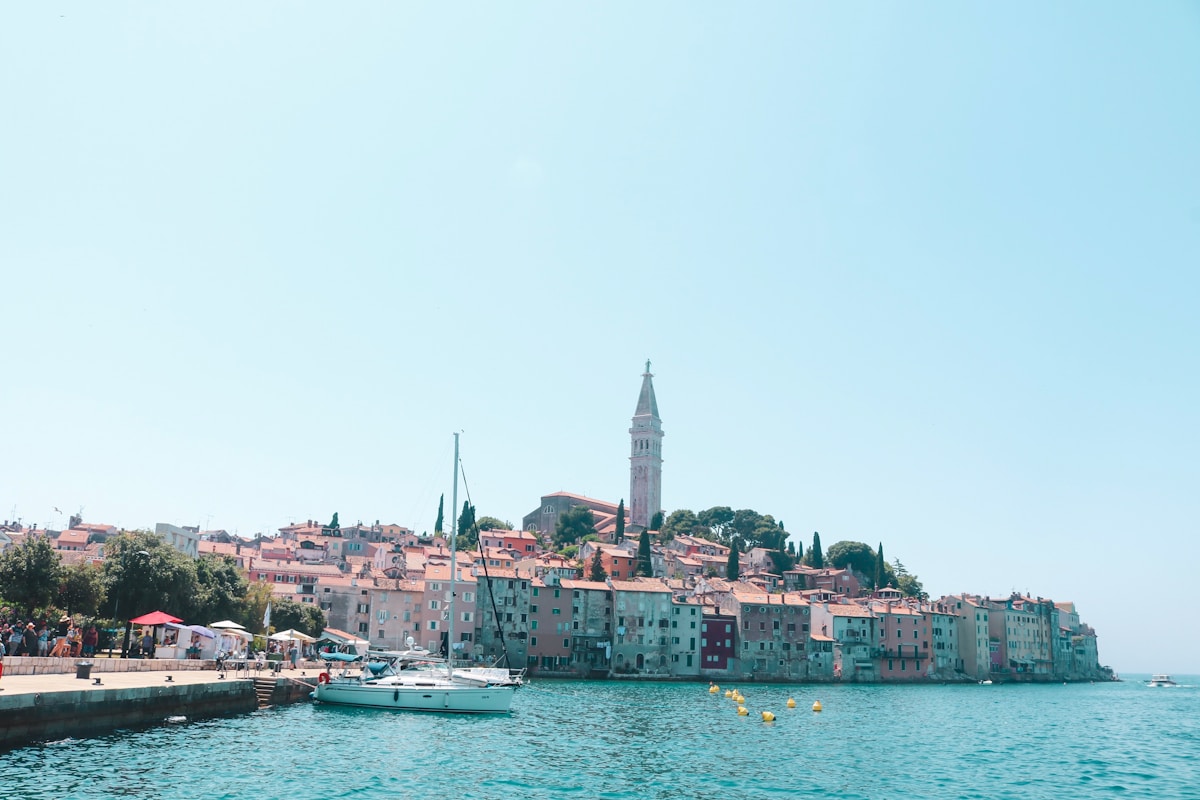
Istria, Croatia Travel Guide: Rovinj, Pula
Istria travel guide: Rovinj's harbour, Pula's Roman arena, Motovun truffles, Malvazija wine, and Cape Kamenjak - prices in euros.
Guides for Istria, Croatia Travel Guide
Istria is Croatia’s northwestern peninsula, more Italian in flavour than the Dalmatian coast - Venetian architecture, Italian place names, truffle forests, and Malvazija wine distinguish it from the rest of the country. The main towns are Rovinj (the most photogenic), Pula (the most historically significant), Poreč, and a series of hilltop towns including Motovun and Grožnjan. All prices in euros (€).
Key places in Istria
Rovinj
A densely packed Old Town peninsula with colourful Venetian-style buildings, a harbour full of fishing boats, and St. Euphemia’s Basilica at the top offering panoramic views. The most visited town in Istria and one of the most atmospheric ports on the Adriatic.
Pula
Istria’s largest city, anchored by one of the best-preserved Roman amphitheatres in the world - the Pula Arena, which holds 23,000 people and dates to the 1st century AD. Still used for concerts and events.
- Arena admission: €12–18
Motovun and the hill towns
Motovun is the most visited of Istria’s hilltop towns, surrounded by the Mirna River valley oak forests where the most prized black and white truffles in Croatia are found. The town itself is small but atmospheric - a fortified village with views across the valley.
Brijuni Islands
A national park archipelago off the west coast, accessible by ferry from Fažana. The main island has walking and cycling trails, a safari park, and Roman ruins. Day trips only for most visitors.
- Brijuni ferry: €18–25
Best things to do in Istria
- Walk Rovinj’s Old Town peninsula and climb St. Euphemia’s bell tower (€5)
- Visit the Pula Arena and Roman forum
- Drive through the hill towns - Motovun, Grožnjan, Oprtalj
- Book a truffle hunting tour near Motovun (€40–70)
- Try wine tasting at an Istrian winery - Malvazija and Teran are the signature varieties (€20–35)
- Walk or cycle Golden Cape forest park (Zlatni Rt) in Rovinj
- Take the ferry to Brijuni Islands
- Walk Cape Kamenjak nature reserve - free for pedestrians, small charge by car
Food in Istria
Istrian food is among the best in Croatia. Key ingredients:
- Truffles: Black truffles year-round; white truffles in autumn. Shaved over pasta, eggs, or risotto.
- Fuži pasta: Hand-rolled, diamond-shaped pasta tubes - the local staple
- Pljukanci: Thinner rolled pasta shapes, similar to trofie
- Malvazija wine: Dry white, mineral, pairs with seafood and truffles
- Boskarin beef: Istrian indigenous ox breed, used in pasta fillings and meat dishes
- Pag cheese and pršut: Available throughout, though technically Dalmatian in origin
Where to stay in Istria
Rovinj is the main base for most visitors. Pula is better for budget travellers or those arriving by air (Pula Airport).
- Luxury: Grand Park Hotel Rovinj (€130–350), Meneghetti Wine Hotel (€150–380)
- Mid-range: Hotel Eden Rovinj, Hotel Adriatic Rovinj
- Budget: Guesthouses in Rovinj or self-catering near Pula
Getting to Istria
- By air: Pula Airport (PUY) - served from UK and European cities in summer
- From Pula to Rovinj: Autotrans bus, approx. 40 minutes, €6–8
- By road: Well-connected to Slovenia and the rest of Croatia; Trieste (Italy) is about 1.5 hours
- From Venice: Day trips and overnight options by ferry from Venice exist in summer
Istria guides
See also
- Croatia travel guide
- Croatian coast road trip
- Split
- Best time to visit the Balkans
- Balkans travel costs
Plan your trip: Browse tours through Istria to see what’s available, from walking tours to day trips. Hire a car if you want flexibility for the surrounding area, and cover your journey with Balkans travel insurance.
Book an experience
Top experiences in Istria, Croatia Travel Guide
Explore the best tours and activities in Istria, Croatia Travel Guide - instant confirmation, free cancellation on most bookings.