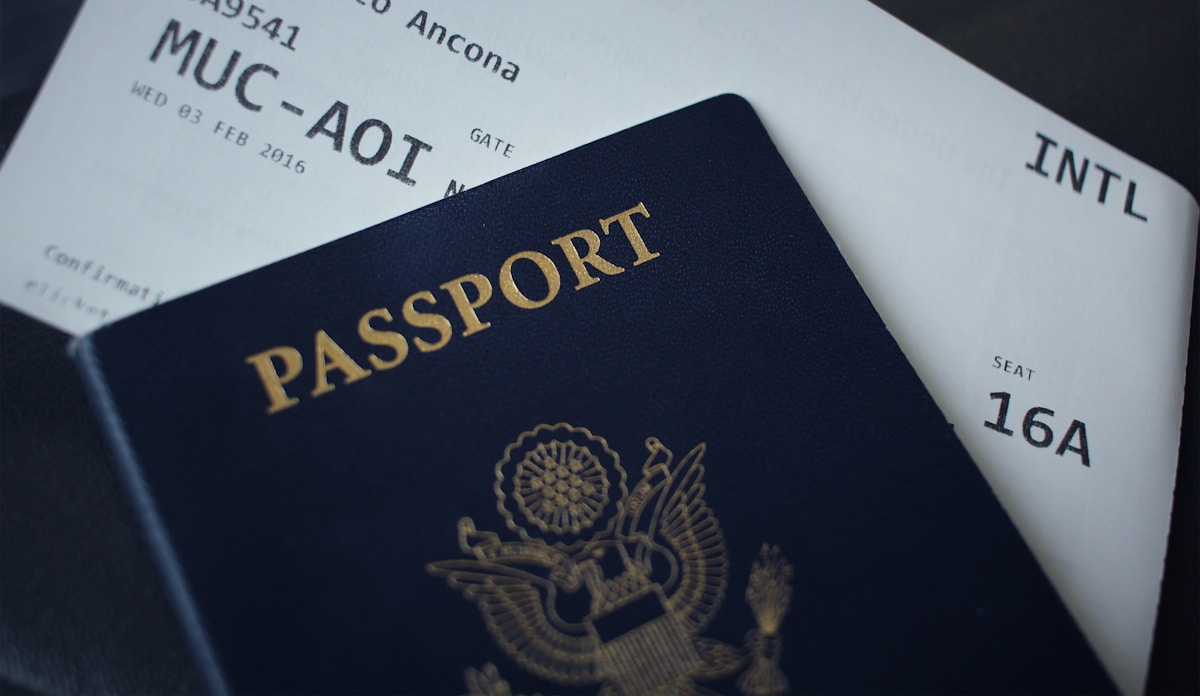
The European Travel Information and Authorisation System — ETIAS — has been pushed back again. Following a eu-LISA board meeting in September 2026, officials confirmed the previously anticipated Q4 2026 launch would not go ahead. The new target is 2027, though no fixed date has been set.
This is not the first delay. ETIAS was originally due in 2021, then pushed to 2022, 2024, and most recently to the end of 2026. Each postponement has been attributed to infrastructure and IT integration challenges across the 29 countries that will implement the system.
What Is ETIAS?
ETIAS is a pre-travel authorisation scheme for non-EU, non-Schengen nationals who can currently enter the Schengen Area without a visa. It applies to citizens of countries including the United States, Canada, Australia, New Zealand, and the United Kingdom. It is not a visa — it is a short online application, expected to cost €7, valid for three years and multiple entries.
At present, none of this applies. Travellers from those countries can continue to arrive at Schengen borders without any prior authorisation.
What This Means for the Balkans
The Balkans straddles the EU boundary, and not all countries in the region are part of Schengen. Croatia is now fully in Schengen. Slovenia has been a Schengen member for years. Bulgaria and Romania joined in early 2024. The remaining Western Balkans countries — Albania, Bosnia and Herzegovina, North Macedonia, Kosovo, Montenegro, and Serbia — are outside both the EU and Schengen.
For travel to non-Schengen Balkans countries, ETIAS is irrelevant regardless of when it launches. For Schengen members in the region, the delay simply means current arrangements remain in place.
When ETIAS does eventually arrive, the application process is expected to be simple and quick — most approvals automated within minutes, with a 96-hour deadline for border crossing. The system will not impose new requirements for stays up to 90 days; it is an authorisation layer rather than a change to who can travel.
Planning Ahead
The practical advice for most travellers: continue to plan your Balkans trips as you normally would. If you are booking travel for late 2026 or into 2027, assume ETIAS may or may not be in force by the time you travel — and budget an extra hour to complete the application as a contingency.
The delay does mean another season of frictionless travel for visitors from eligible countries. That remains a genuine advantage the Balkans holds — accessible, no pre-registration required, and open year-round. It is still worth ensuring you have appropriate travel insurance in place before departure, regardless of visa requirements.
For help planning your trip, see our Balkans festivals guide for events worth building an itinerary around, or our Balkans digital nomad guide for visa and residency information relevant to longer stays.