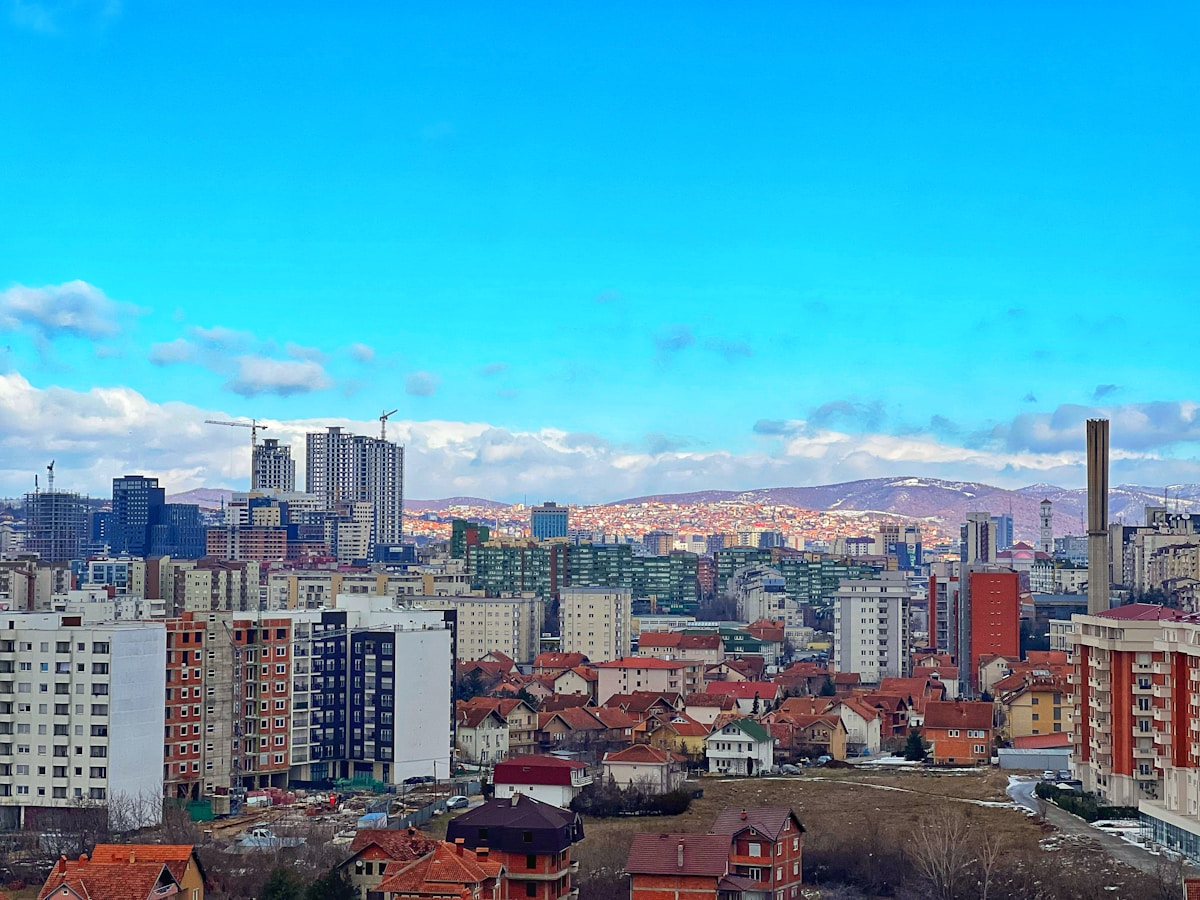
Kosovo declared independence in 2008 and remains partly disputed, but for most travellers it functions like any other Balkan country: easy entry, euro prices, friendly cities, and landscapes that range from Ottoman riverside towns to serious alpine terrain. Five days is enough for the two main cities and a mountain excursion, without feeling rushed. Pick up a Balkans eSIM before arrival — it covers Kosovo and all neighbouring countries — and arrange travel insurance before you leave home.
All prices are in euros (€). Estimates are as of 2026.
Overview
| Day | Area | Key activities |
|---|---|---|
| 1 | Pristina | Newborn monument, Bear Sanctuary, Cathedral |
| 2 | Pristina | National Museum, ethnographic tour, cafe culture |
| 3 | Prizren | Old Stone Bridge, Sinan Pasha Mosque, fortress |
| 4 | Prizren | League of Prizren, Shadervan Square, Lumbardhi River |
| 5 | Rugova Canyon | Peja day trip or departure |
Day 1 - Pristina: arriving and the new Kosovo
Pristina (also spelled Prishtina or Prishtinë) is one of Europe’s most energetic and quickly changing capitals. The city has been rebuilding since 1999 and the result is an eclectic mix of Ottoman-era mosques, socialist-era concrete blocks, and a new wave of cafe culture and street art that has made it a minor draw for travellers seeking something genuinely different.
The Newborn monument - large orange letters spelling “NEWBORN” - was unveiled on Kosovo’s independence day, 17 February 2008, and has been repainted annually ever since with new themes. It sits near the Grand Hotel Prishtina and makes for an immediate orientation point from the city centre. Browse Pristina tours and activities →
The Kosovo Museum (free entry, Tue–Sun) charts the region’s archaeology from the Neolithic to the Ottoman period with English-language labels. The ethnographic collection on the upper floor covers traditional Kosovar dress, crafts, and household objects from the 19th century.
The Cathedral of Saint Mother Teresa (finished 2017, named for the Kosovar-Albanian saint born in Skopje) is Pristina’s newest landmark - a striking modern church built on the Skanderbeg Square pedestrianised zone, free to enter.
In the late afternoon, walk the Nënë Tereza Boulevard (Mother Teresa Boulevard) pedestrian strip - Pristina’s main promenade, lined with cafes, street vendors, and a nightly passeggiata crowd regardless of weather.
Where to stay in Pristina:
- Mid-range: Hotel Sirius - from approximately €65–90/night, Nënë Tereza Boulevard area
- Upper: Swiss Diamond Hotel Prishtina - from approximately €120–160/night, rooftop bar
- Search all Pristina hotels on Booking.com →
- Full guide: where to stay in Pristina
Dinner: Soma Book Station on Rexhep Luci street - a bookshop-café that serves some of the best food in Pristina, with a menu of Kosovar staples done well: grilled meats, stuffed peppers, local cheese platters (main dishes €7–12). Or Tiffany on Garibaldi for traditional flija (layered pancake dish, €6–8).
Day 2 - Pristina: museums and coffee culture
Kosovo has a coffee culture that puts most European capitals to shame. The café scene - concentrated around the bazaar area and Nënë Tereza Boulevard - operates essentially all day, with espresso priced at €0.80–1 and most cafes doubling as social hubs until midnight.
The Bear Sanctuary Pristina (Mramor, 12 km from the centre, organised tours available from approximately €15) rehabilitates brown bears rescued from restaurants and private owners where they were kept as tourist attractions. Browse Kosovo tours → The sanctuary is run by Four Paws International and has around 20 bears in large forested enclosures. Transport: taxi approximately €10–12 one-way, or join a day-trip tour.
The National Gallery of Kosovo on Agim Ramadani street (free entry, Tue–Sun) is a small but worthwhile contemporary art space housed in a restored hamam (Ottoman bathhouse). Albanian and Kosovar artists predominate.
The Old Bazaar (Çarshia e Vjetër), though less intact than Prizren’s equivalent, has a cluster of traditional craftsmen’s shops - coppersmiths, saddlemakers, jewellers - worth a half-hour wander. The covered market sells fresh produce and local cheeses.
Lunch: Pri Zanës in the bazaar area - simple Kosovar home-cooking: burek (cheese or meat pastry, €1.50–2), qofte (grilled minced meat rolls, €5–7), ayran yoghurt drink.
In the evening, the area around Pristina’s Germia Park (4 km from centre, bus or taxi) has walking trails and an outdoor swimming complex popular with locals in summer.
Day 3 - Prizren: Ottoman riverside town
Bus from Pristina to Prizren (approximately 1.5 hours, €3–4, frequent departures from Pristina’s South Bus Terminal on Qamil Hoxha). Prizren is 85 km southwest of Pristina.
Prizren is the most beautiful town in Kosovo and one of the most underrated in the Balkans. Its compact old town centres on the Bistrica River and the Old Stone Bridge (Ura e Gurit) - a 15th-century Ottoman arch bridge with a direct view of the Sinan Pasha Mosque (1615) on the opposite bank. The mosque is open to visitors outside prayer times. Browse Prizren tours and activities →
The Prizren Fortress (Kalaja, free entry) above the town has the best panoramic view in Kosovo - the Ottoman domes and minarets, the Serbian Orthodox churches, and the Šar Mountains behind. The ascent takes 20–30 minutes on a steep path from the old town. Go at sunset.
The League of Prizren Museum commemorates the 1878 Albanian nationalist league formed here to resist Ottoman partition. The building is the original meeting house. Entry approximately €1.
Where to stay in Prizren:
- Mid-range: Hotel Centrum - from approximately €55–80/night, walking distance to the old bridge
- Search all Prizren hotels on Booking.com →
- Full guide: where to stay in Prizren
Dinner: Sofra e Prizrenit on the riverbank - grilled tavë (baked lamb with yoghurt, approximately €9–12), white bean soup (€3–4), and local wine. Tables on the terrace in summer.
Day 4 - Prizren: old bazaar and Shadervan
Spend the morning exploring the old bazaar (Çarshia) - better preserved than Pristina’s, with coppersmiths still working in traditional workshops and a row of cafes along the Bistrica. The Hammam (Ottoman bathhouse) at the bazaar edge has been restored and is free to enter.
The Cathedral of Our Lady of Perpetual Succour - a Catholic church built in 1870 serving Prizren’s Kosovar Albanian Catholic community - is open for visits. Kosovo has a significant Catholic minority concentrated in this area, alongside the Muslim majority and a smaller Orthodox community.
The Lumbardhi Prizren - an open-air cinema and arts venue in the old Lumbardhi cinema building - hosts screenings and events in the warmer months. Check their schedule if you’re here in summer.
Shadervan Square (Sheshin e Shadërvanit) is Prizren’s central meeting point - a fountain square ringed with cafes where locals spend evenings regardless of temperature. Ajka Ice Cream on the square is the most popular spot for locals.
Consider a half-day excursion to the Monastery of the Holy Archangels (15 minutes by taxi, approximately €5), a 14th-century Serbian Orthodox monastery in ruins below the Šar Mountains - partly restored and visitable, with a striking riverside location.
Day 5 - Rugova Canyon and departure
Rugova Canyon (near Peja/Peć, 90 km from Prizren, 70 km from Pristina) is Kosovo’s most dramatic landscape: a 25 km limestone gorge cut by the Lumbardhi i Pejës River, with walls rising to 1,000 metres. Direct buses run from both Pristina and Prizren to Peja (approximately 1.5–2 hours, €3–5). Search Peja hotels →
The canyon is walkable from the Peja side - the road through the gorge passes several waterfalls, a Patriarchate of Peć monastery (15th–16th century Serbian Orthodox, free to enter outside services), and trailheads for hikers. The Peć Patriarchate is a UNESCO-protected ensemble of three medieval churches with surviving Byzantine frescoes; worth an hour. A guide is recommended for canyon hikes.
Mirusha Waterfalls (70 km from Pristina, day trip), if combining with a departure via Pristina, are 14 successive waterfalls and pools over a 7 km trail - a full day on foot or a 2-hour walk to the main falls. Entry approximately €2.
Departures: Pristina airport serves Western Europe directly (Vienna, London, Zurich, Frankfurt, Istanbul). Buses to Skopje (North Macedonia, 2 hours, €8–10), Belgrade (5–6 hours, €10–15), and Tirana (4 hours, €10–12) run daily from Pristina’s main terminal.
Where to Stay
- Pristina — Where to stay in Pristina
- Prizren — Where to stay in Prizren
Things to do at each stop:
See also
- Kosovo travel guide
- Pristina
- Prizren
- Hiking in the Balkans
- Balkans travel costs
- Albania travel guide
- North Macedonia travel guide
- Tirana vs Pristina
- Balkans visa guide
- Planning a Balkans trip
Book Your Trip
Flights — search and compare on Aviasales eSIM — stay connected with Airalo Travel insurance — get covered with EKTA Airport transfers — book with Kiwitaxi Car rental — compare with GetRentaCar Hotels — compare and book accommodation on Booking.com Tours and activities — browse GetYourGuide