Prizren, Kosovo: A Guide to the Balkans' Ottoman Gem
Prizren travel guide: Prizren Fortress, Ottoman bazaar, Sinan Pasha Mosque, and DokuFest - Kosovo's most visited city explained.
Guides for Prizren, Kosovo
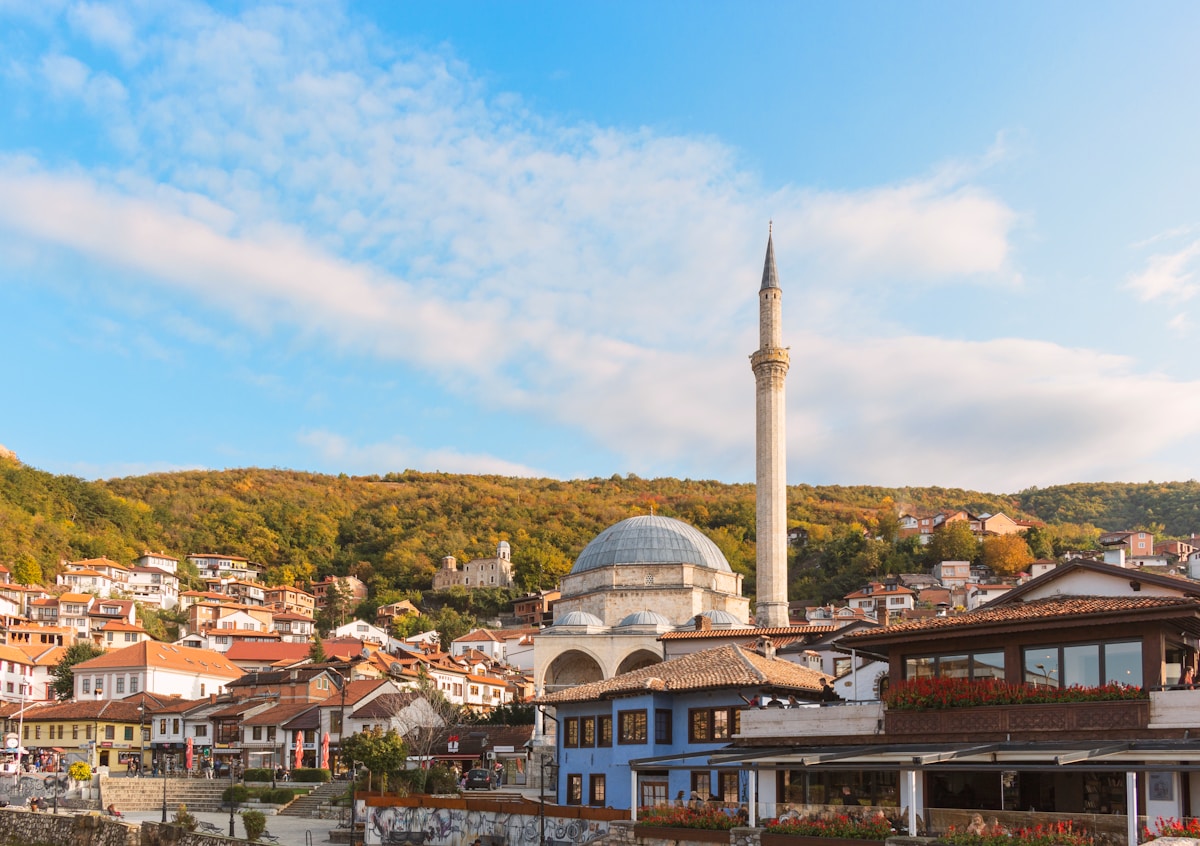
Prizren is the Ottoman old town that most people don’t know exists in the Balkans. It was Kosovo’s most important city for centuries before Pristina gained that role, and its preservation shows: the bazaar streets, the stone bridge over the Bistrica River, the mosques, the fortress above the town, and the hammam below it form one of the most coherent historic urban cores in the western Balkans. Guided tours of Prizren are available for those who want context on the Ottoman and Albanian League history.
Most visitors see Prizren as a day trip from Pristina - and that works. But if you have the flexibility to stay overnight, Prizren in the evening after the day-trippers have left is a significantly more peaceful experience, with the fortress and narrow streets mostly to yourself.
Getting to Prizren
From Pristina: Buses depart regularly from Pristina’s central bus station (Stacioni i Autobusëve), throughout the day. Journey time is approximately 1.5 hours, and tickets cost around €3 each way. The bus drops you close to the city centre. Last buses back to Pristina typically run until early evening - confirm the timetable on the day.
By car: The drive from Pristina takes roughly 1–1.5 hours on the main road southwest through the Kosovo lowlands.
From Albania: Prizren is about 60 km from the Albanian border crossing at Morina, making it accessible from Kukës in northern Albania.
Prizren Fortress (Kalaja e Prizrenit)
The fortress stands on a hill directly above the old town and is Prizren’s dominant landmark, visible from almost everywhere in the city. The original fortifications date to the Byzantine period, though most of what survives is from the medieval Serbian empire and subsequent Ottoman rebuilding. After damage during the conflicts of the 1990s, the fortress walls have been partially restored.
Entry is free to walk the walls and explore the grounds. The path up from the old town takes about 15–20 minutes on a steep cobblestone track. At the top, the views extend over the entire city, the Bistrica River valley, and the hills beyond - one of the clearest urban panoramas in Kosovo.
Go in the early morning or late afternoon for the best light and the fewest other visitors.
Shadërvan Square
Shadërvan is the main public square and the social heart of Prizren’s old town. It sits where the old bazaar streets converge near the Stone Bridge, and it is named for the fountain (shadërvan) that still stands in the square. Café terraces line the surrounding buildings, and on warm evenings the square fills steadily from early evening.
This is the natural starting point for any walk through Prizren - from here you can reach the bazaar, the Stone Bridge, and the main mosque within a few minutes in any direction.
Sinan Pasha Mosque
Built in 1615 by Sinan Pasha, the Ottoman grand vizier of Albanian origin, the Sinan Pasha Mosque is the main mosque in Prizren’s old town and one of the most significant Ottoman religious buildings in Kosovo. It stands near Shadërvan and is visible from across the river. The interior has painted walls and wooden galleries typical of Ottoman mosque architecture in the region.
The mosque is active for prayers and open to respectful visitors outside prayer times. Dress modestly and remove shoes before entering.
The Stone Bridge (Ura e Gurit)
The Stone Bridge over the Bistrica River is one of the most photographed views in Prizren - a multi-arched Ottoman bridge that has carried pedestrians across the river since the 17th century. It connects Shadërvan Square to the eastern part of the old town and the main street leading toward the fortress.
Walking across the bridge and looking upstream at the mosque and the fortress on the hill above is one of the best composed views in the city.
The Ottoman Bazaar
The bazaar quarter (çarshia) extending behind Shadërvan Square preserves the street pattern and some of the building stock of the Ottoman commercial district. The streets are narrow, cobblestoned, and lined with a mix of traditional craft shops, metalworkers, bakeries, and cafés. It is not a staged tourist market - local traders operate here alongside the places catering to visitors.
Look for traditional crafts including filigree silverwork, which has a long tradition in Prizren, and embroidered textiles. The bazaar is most active in the morning and early afternoon.
Hammam (Çarshi Hamam)
Prizren’s historic hammam - built in the 15th century - stands near the bazaar quarter and is one of the oldest surviving Ottoman bath houses in Kosovo. The structure has undergone partial restoration in recent years. Its current function (museum, active hammam, or cultural space) has varied; check locally for the current status when you visit.
The Albanian League of Prizren Museum
In 1878, the League of Prizren (Lidhja e Prizrenit) was founded in the city as a political organisation advocating for Albanian autonomy within the Ottoman Empire. The museum occupying the building where the League met is a significant site in Albanian national history. The building is near the main mosque and the Bistrica River.
The museum covers the League’s founding, its aims, and its legacy - a relevant piece of context for understanding Kosovo’s Albanian national identity. Entry is free or nominal.
DokuFest
Every August, Prizren hosts DokuFest - the International Documentary and Short Film Festival - which has developed into one of the most respected documentary film festivals in the Balkans and beyond. Screenings take place across the city in outdoor venues, historical buildings, and purpose-built festival spaces. The festival brings international filmmakers and a significant visitor surge to what is otherwise a quiet town.
If you are in the region in August and interested in documentary film, this is worth planning around. Specific dates and programme are announced each spring.
Where to Stay in Prizren
Prizren has a modest but growing accommodation offer:
- Budget guesthouses: Several small guesthouses and family-run guest rooms in the old town charge €20–35 per night for a double room.
- Mid-range: Small boutique hotels in or near the old town charge €50–90 per night.
- Eating: The café and restaurant scene is concentrated around Shadërvan Square. Expect similar prices to Pristina - €5–8 for a main course, €1 for coffee. Grilled meats, burek, and local pastries are the staples.
Staying overnight allows you to see the fortress and the bazaar streets in early morning or evening, when the day-tripping crowd has gone and the old town feels as it probably has for centuries.
Prizren guides
- Things to do in Prizren
- Where to stay in Prizren
- Best restaurants in Prizren
- Food to try in Prizren
- Best cafés in Prizren
See also
Plan your trip: Browse guided tours of Prizren to see what’s available, from walking tours to day trips. Hire a car if you want flexibility for the surrounding area, and cover your journey with Balkans travel insurance.
Book an experience
Top experiences in Prizren, Kosovo
Explore the best tours and activities in Prizren, Kosovo - instant confirmation, free cancellation on most bookings.