Podgorica Travel Guide: Montenegro's Capital City
Podgorica travel guide: what the capital offers, how to arrive by air, bus and train, where to stay, and how to use it as a base for day trips.
Guides for Podgorica: Montenegro's Capital Guide
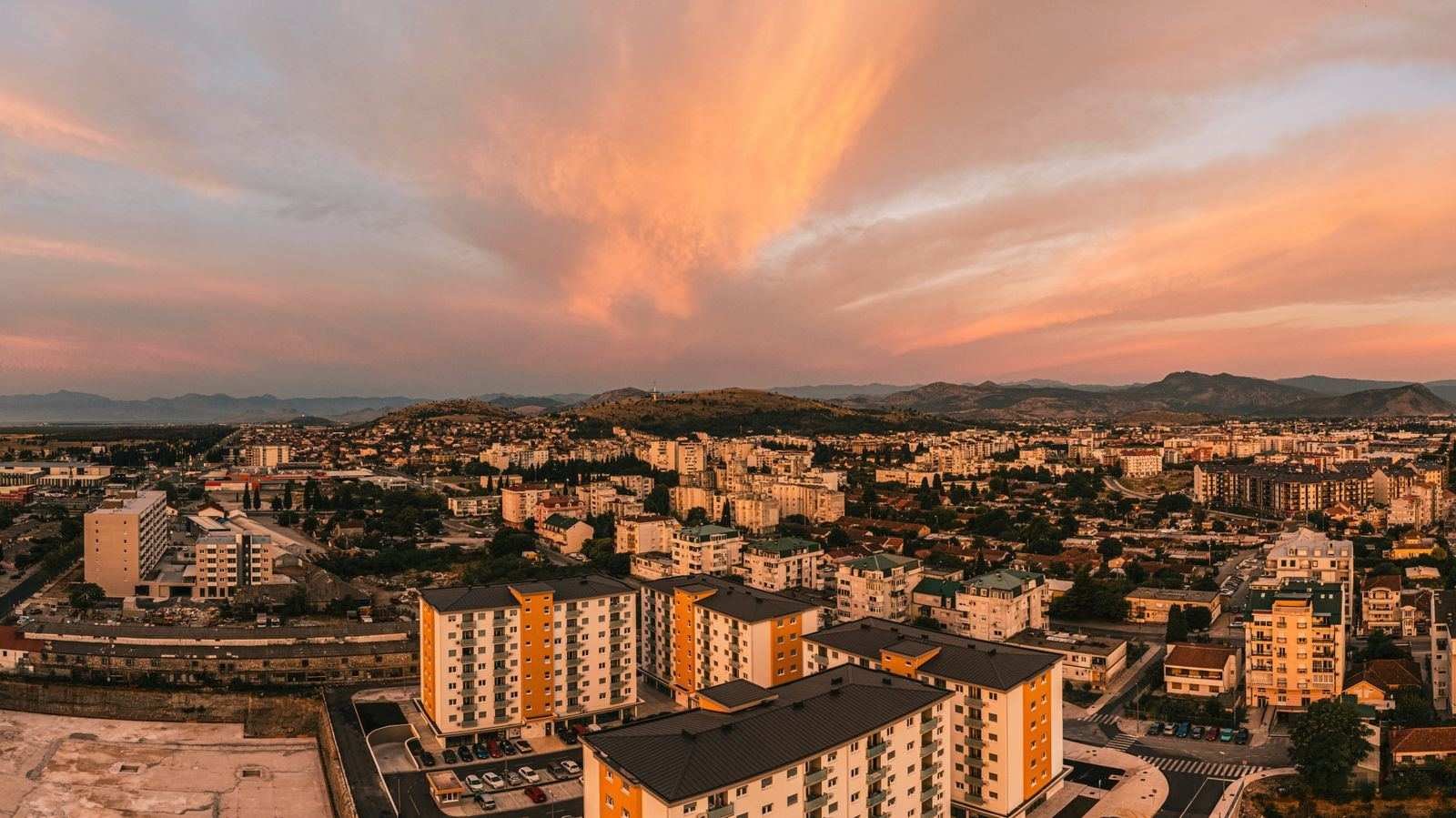
Podgorica is the capital most visitors fly into and few stay in. Montenegro’s tourism sits on the coast, yet the country’s government, university, main airport and roughly a quarter of its population are inland on the Zeta plain, where the Morača and Ribnica rivers meet. Between 1946 and 1992 the city was called Titograd, and that history shows in its concrete boulevards and apartment blocks, next to an Ottoman old quarter, Roman ruins and a modern cable-stayed bridge.
We would not build a holiday around Podgorica, but we would stop here on purpose. It is a useful, low-cost base, with direct flights from Wizz Air and others (see our report on the Wizz Air hub), and it puts Lake Skadar, Ostrog Monastery and Cetinje within an hour.
What to see in Podgorica
The sights are compact and most can be covered on foot in a day. Our things to do in Podgorica guide has the full list with timings. The short version:
- Millennium Bridge: The white cable-stayed bridge across the Morača, opened in 2005, is the city’s symbol and is lit at night.
- Stara Varoš: The old Ottoman quarter keeps the 17th-century Clock Tower and a mosque, with cafes along narrow lanes.
- Cathedral of the Resurrection of Christ: The large Serbian Orthodox cathedral, completed in 2013, is the city’s biggest landmark on the skyline.
- Doclea: The excavated Roman city of Doclea lies a few kilometres north-west of the centre, with a forum and basilica foundations.
- Plantaže vineyards: One of Europe’s largest single vineyards stretches across the plain, and the cellars offer tastings (see Plantaže).
Getting to Podgorica
By air: Podgorica Airport (TGD) is about 12 km south of the centre, a 15-20 minute drive. There is no scheduled airport bus, so use a metered taxi (approximately €15-20 as of 2026) or a pre-booked transfer. Our Podgorica airport transfer guide lists fares and options, and you can book a fixed-price transfer in advance.
By train: Podgorica sits on the Bar-Belgrade line and has services to Bar and Nikšić. The line to Virpazar and Bar is a scenic way to reach Lake Skadar.
By bus: The main bus station is beside the railway station and serves the coast, Cetinje, Nikšić, Žabljak and Albania. Buses to Cetinje take about 45 minutes. Longer routes, such as Podgorica to Žabljak, run two or three times daily.
By car: Podgorica is the main road junction of the country. Compare car rental across the Balkans if you plan to link Ostrog, Skadar and the coast, since public transport between them is thin. See our Balkans car rental guide for border and insurance rules.
Where to stay in Podgorica
The best-placed area for visitors is the centre, around the pedestrian streets and the Morača embankment, where restaurants and cafes are within a short walk. Stara Varoš is quieter and more atmospheric but has fewer rooms. The Preko Morače district across the river has modern apartment blocks with cheaper rooms and is a short walk from the Millennium Bridge. Hotels near the airport suit early flights only.
As of 2026, expect mid-range rooms to cost much less than comparable coast stays in summer, though prices rise in July and August. Browse and compare hotels in Podgorica for current rates, and check air conditioning, since summer nights stay warm.
Eating and drinking
Podgorica has the best restaurant variety inland, with grilled meat, river fish, cheese and kajmak, and Montenegrin wines from the Vranac grape. Cafe culture runs from morning until late, and a coffee is cheaper here than on the coast. For dishes and what to order, see our best food in Montenegro guide.
Best time to visit
Spring (April-June) and autumn (September-October) are the best months. Podgorica is one of the hottest capitals in Europe, with July and August highs regularly in the mid-30s Celsius and sometimes much higher, so sightseeing in the afternoon is hard. Winter is mild and wet and rarely snows in the city, while the mountains north of it get snow.
Day trips from Podgorica
Because of its central position, Podgorica is a strong base for trips by car or tour. Our day trips from Podgorica guide covers Ostrog Monastery, Lake Skadar via Virpazar, and Lovćen with Cetinje, including drive times and what to combine. You can also browse Podgorica tours and activities if you prefer a guided day. For the wider country, start with the Montenegro travel guide, and for the old royal capital see Cetinje. Official visitor information is on the Montenegro National Tourism Organisation site.
Practical notes
- Money: Euro. ATMs are common in the centre. Tipping of about 10% is usual in restaurants.
- Language: Montenegrin. English is widely understood among younger people and in hotels.
- Getting around: The centre is walkable. Taxis are cheap, and ride-hailing apps operate in the city.
- Safety: The city is safe. Carry water in summer and watch for fast traffic.
Book an experience
Top experiences in Podgorica: Montenegro's Capital Guide
Explore the best tours and activities in Podgorica: Montenegro's Capital Guide - instant confirmation, free cancellation on most bookings.