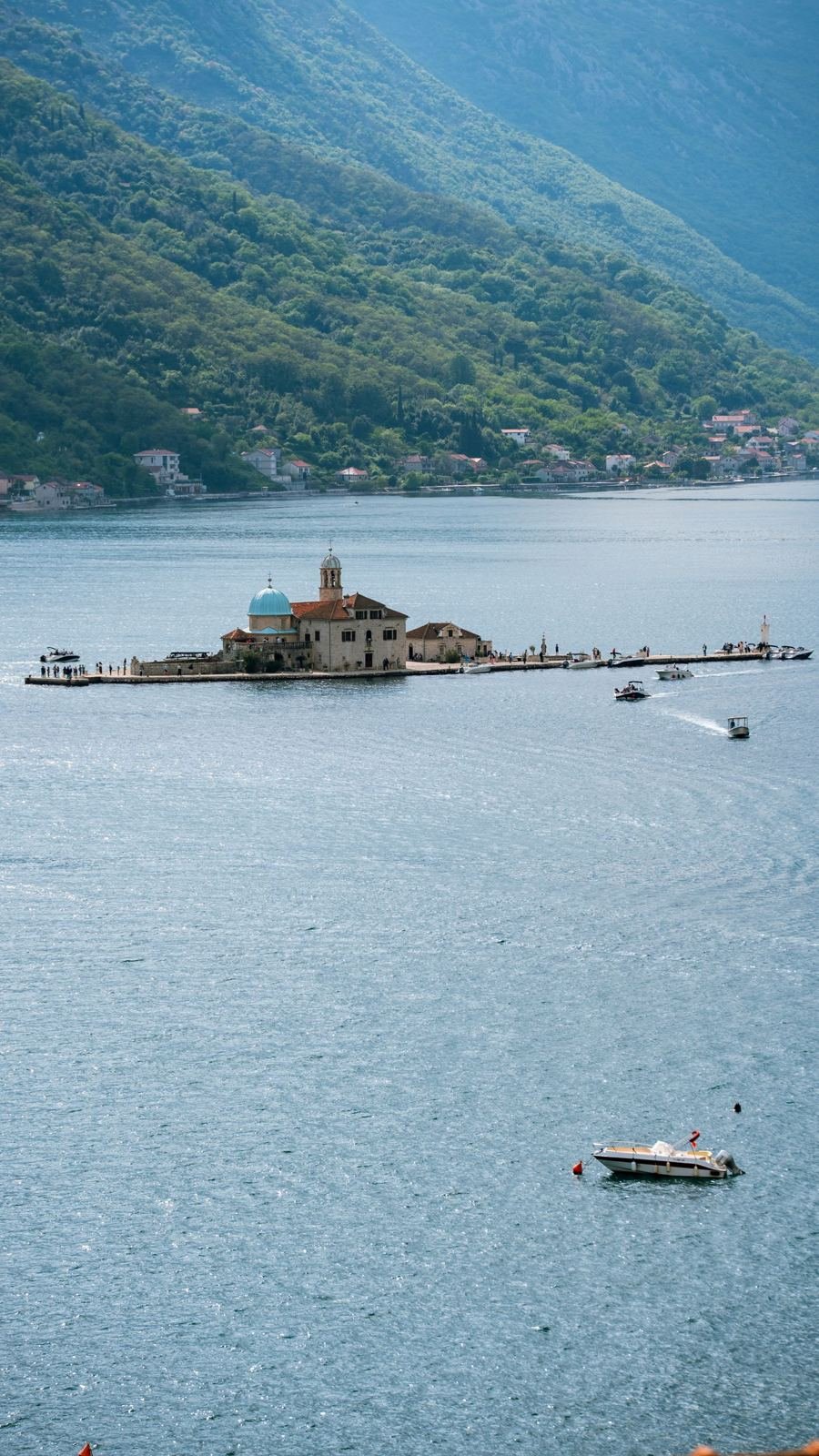
Montenegro is one of the safer places to travel in the Balkans. Violent crime against visitors is uncommon, the coast is well used by tourists, and the main dangers are road safety, summer fires and the usual petty theft in resort towns. This guide covers each in detail. For the wider region see our Balkans safety guide.
Quick safety summary
| Risk | Level | What to do |
|---|---|---|
| Violent crime | Low | Normal awareness |
| Petty theft | Low to moderate | Watch bags in Kotor, Budva and beaches |
| Overcharging | Occasional | Check prices, agree taxi fares |
| Mountain driving | The main real risk | Drive slowly, avoid night driving |
| Summer wildfires | Seasonal | Follow local fire warnings |
| Swimming | Moderate | Follow flags, avoid boat lanes |
Crime and scams
Kotor Old Town is compact and safe, though pickpockets work crowded squares and ramparts queues in July and August. Budva has loud summer nightlife, where drink spiking and overpriced bills occasionally cause problems, so watch your drink and check the bill. Taxis in resort towns can overcharge, so agree a fare or use a booked transfer. Guided tours of Kotor from licensed operators avoid street-sold excursions that disappoint.
Driving and transport
The coast road is busy and slow in summer, particularly between Kotor, Tivat and Budva. In the mountains, the roads to Žabljak and Durmitor are narrow with steep drops, and bends are tight. Local drivers can overtake aggressively. Winter tyres are required in the cold season, and snow can close high passes. Border crossings with Croatia, Bosnia and Albania can have long queues in July and August. Check our car rental guide for the Balkans and make sure your insurance allows cross-border travel.
Nature, water and wildfires
Wildfires occur in dry summers, mostly in inland and hillside areas. Never light fires and follow local guidance. Swimming areas in the Bay of Kotor are calm, but boat traffic is heavy, so stay close to shore. Rafting on the Tara River and canyoning are run by professional operators, and you should check safety standards and equipment before booking. Hikers in Durmitor face fast-changing weather and limited mobile signal, so carry water and navigation.
Politics, borders and landmines
Montenegro is stable for visitors. Occasional demonstrations in Podgorica or Cetinje are rarely disruptive. It is not a Schengen member, so expect border checks, and passports are required. Landmines are not a tourist concern here.
Solo, female and LGBTQ+ travellers
Solo travel is easy along the coast and in the hostels of Kotor and Budva. Rural communities are more conservative, and LGBTQ+ travellers should be discreet outside the main towns.
Health and emergencies
Tap water is generally safe on much of the coast, but check locally. Pharmacies are common, and the main hospital is in Podgorica, so good travel insurance with evacuation cover is wise for hiking and rafting. The emergency number is 112 (police 122, fire 123, ambulance 124).
Always check the UK government’s Montenegro travel advice before you travel, and see best time to visit Montenegro for seasons and crowds.