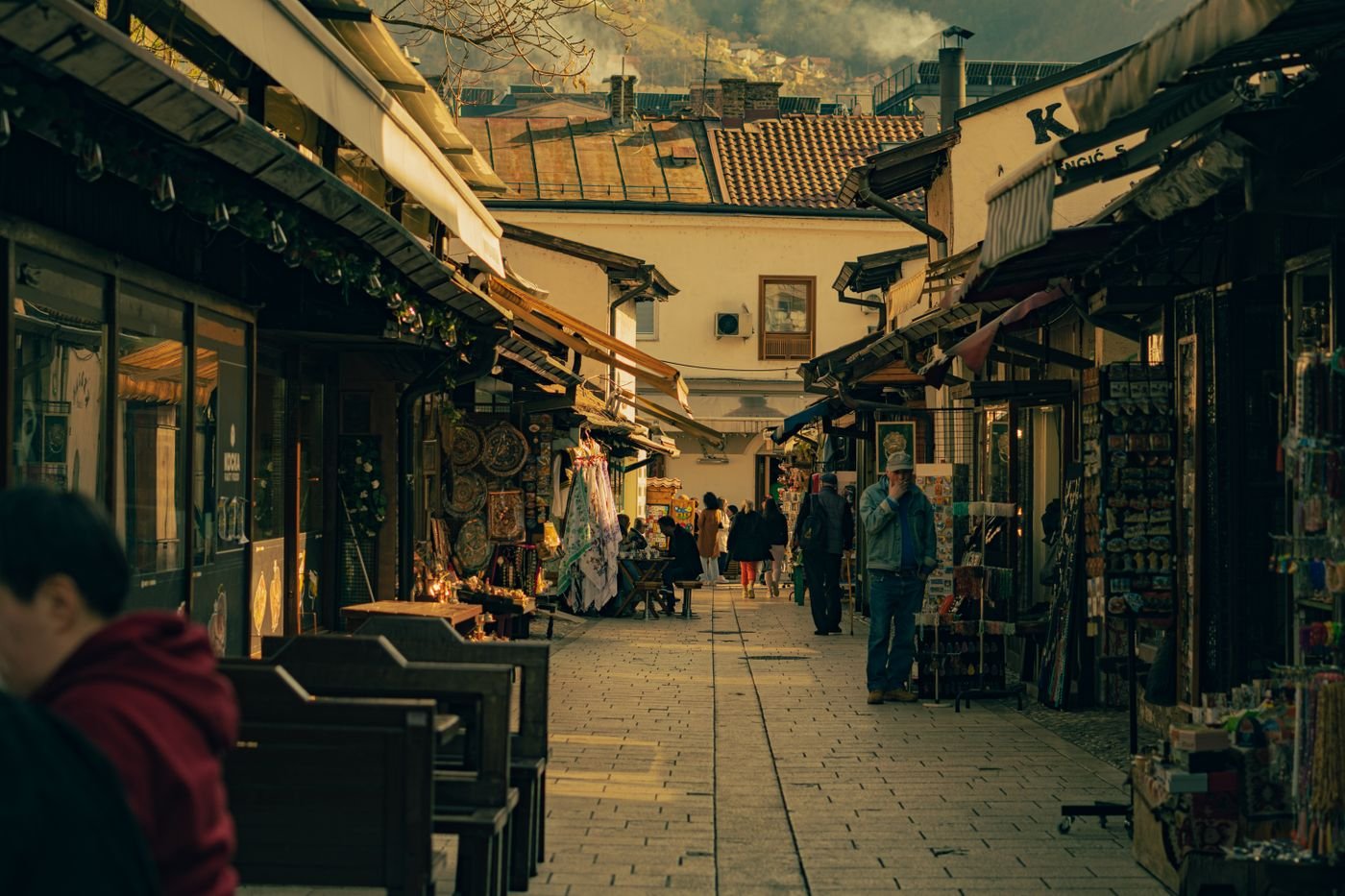
Bosnia and Herzegovina is welcoming, affordable and much safer than its reputation suggests. The country still carries unexploded ordnance from the 1992 to 1995 war, and politics can be tense, but tourists on normal routes rarely face problems. Crime against visitors is low. For regional context see our Balkans safety guide.
Quick safety summary
| Risk | Level | What to do |
|---|---|---|
| Violent crime | Low | Normal awareness |
| Petty theft | Low | Watch bags in Sarajevo and Mostar crowds |
| Landmines and UXO | Remote areas only | Stay on roads and marked trails |
| Road safety | Moderate | Mountain roads are narrow, drive carefully |
| Politics | Rarely affects tourists | Follow news and official advice |
| Air quality | Seasonal in Sarajevo | Check in winter if sensitive |
Landmines and unexploded ordnance
This is the question most visitors ask. Bosnia has suspected hazard areas from the war, mainly in rural parts of the country, near former front lines and in mountains and forests. Cities, main roads, signed hiking trails, ski resorts and tourist sites are cleared and safe. If you hike or drive off the beaten track, stay on paved roads and established trails, obey red mine warning signs and never pick up unknown objects. Use a local guide for unmarked terrain and check the Bosnia and Herzegovina Mine Action Centre information if planning remote routes.
Crime and scams
Sarajevo and Mostar are safe for evening walks. The usual tourist hotspots, such as Baščaršija and the Old Bridge area, attract occasional pickpockets. Taxis can overcharge, so use a metered taxi or ride-hailing app. Day trips from the coast are common, and booking Mostar tours with licensed operators avoids street-sold packages.
Politics and history
Bosnia is divided into two entities with a complex political system. Political disputes make headlines but seldom disrupt tourism. Demonstrations are usually peaceful. Respect local sensitivities about the 1990s war, avoid jokes on the subject, and treat memorials and sites like the Tunnel Museum and Srebrenica Memorial with care. See our Sarajevo guide for historical sites and tours.
Driving and transport
Main roads are improving, but mountain and rural roads can be narrow, steep and poorly signed, with limited lighting. Winter conditions can be severe, and winter tyres are required in the cold season. Border queues with Croatia, especially in July and August, can be long. Check the Croatia to Bosnia border crossing guide and your rental car’s cross-border insurance. Our car rental guide lists the details.
Health, nature and weather
Tap water is generally drinkable in cities, but bottled water is common in rural areas. Summer heat in Mostar is intense. Rafting on the Neretva and Una is run by professional operators, and mountain weather changes quickly. Good travel insurance with medical evacuation cover is strongly advised for outdoor activities.
Solo, female and LGBTQ+ travellers
Solo travellers are common in Sarajevo and Mostar. Society is more conservative outside the capital, and LGBTQ+ travellers should be discreet.
The emergency number is 112 (police 122, fire 123, ambulance 124). Always check the UK government’s Bosnia and Herzegovina travel advice before travelling, and plan your season with best time to visit Bosnia.