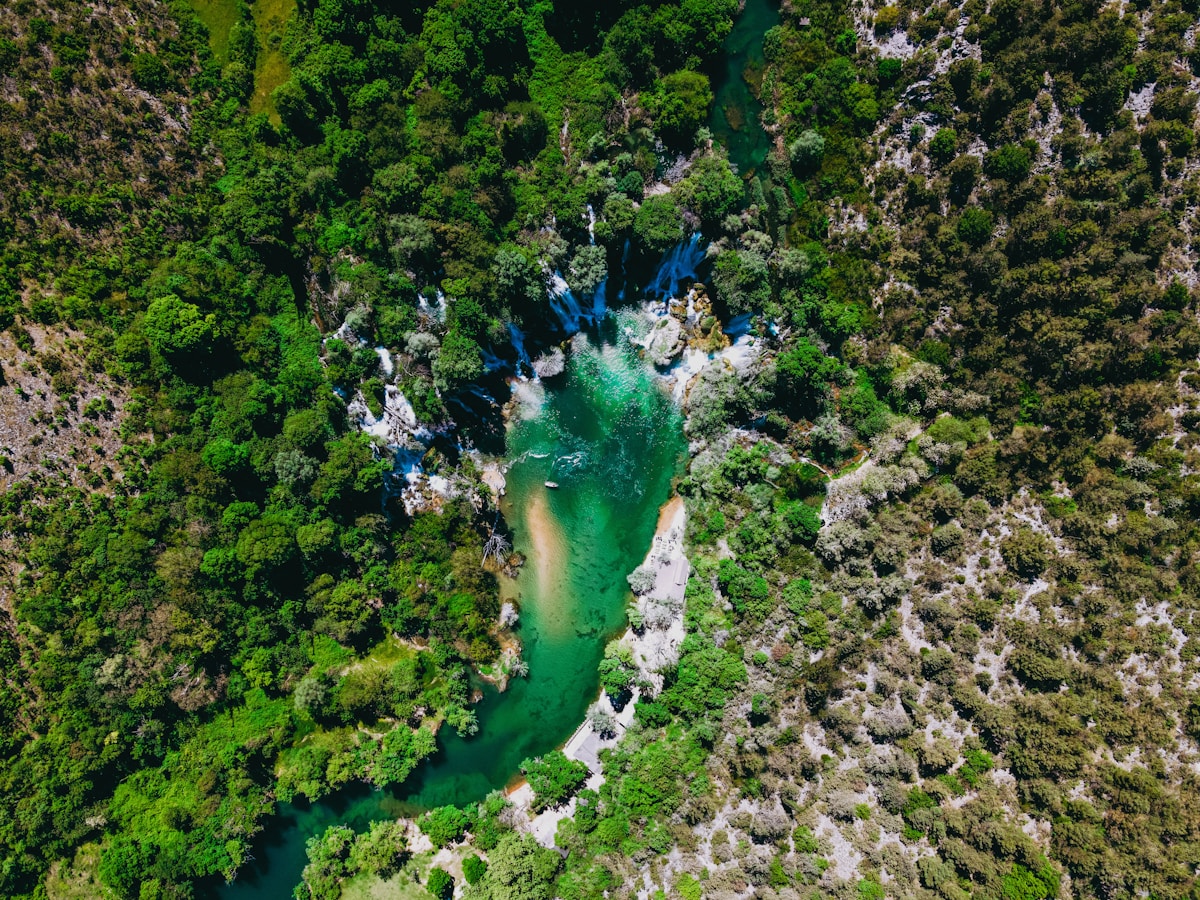
Bosnia and Herzegovina has one of the most culturally layered festival calendars in the Balkans, shaped by its Ottoman, Austro-Hungarian, and Yugoslav heritage. Sarajevo runs the biggest film festival in southeastern Europe and a summer arts programme that fills the old city’s courtyards and mosques every night for weeks. Mostar adds a blues and rock dimension, and the capital’s jazz festival closes the autumn season with performances that have drawn musicians from across Europe and North America. Here is what to plan around.
Sarajevo Film Festival (August)
The Sarajevo Film Festival is the biggest film event in southeastern Europe and one of the most respected in the wider region, ranking alongside Karlovy Vary and Thessaloniki for new European cinema. It was founded in 1995 — during the siege — and has run every August since. The current edition draws around 100,000 attendees and screens 250–300 films across competition, documentary, and short film programmes.
The main venues are the Open Air Cinema on Velika aleja (a boulevard screening under the stars for up to 3,000 people), the National Theatre, and the Bosnian Cultural Centre. Many screenings are free or very cheap — Open Air is usually free, while competition screenings cost approximately €5–10. Red Carpet events bring in regional and international film talent; past guests have included Angelina Jolie (who filmed “In the Land of Blood and Honey” here), Steve Buscemi, and directors from across Europe.
Timing: the festival typically runs for eight days in mid-August, usually starting around 12 August. The full programme is announced in late July.
Accommodation in Sarajevo books up fast for festival week. Book at least two months ahead for a central apartment or hotel. The city centre is walkable for most festival venues, so location matters more than usual — aim for Baščaršija or the area around the National Theatre. Guided tours in Sarajevo — the war history sites, the old bazaar, and the Tunnel of Hope — fill the days between screenings.
Baščaršija Nights — Sarajevo (July)
Baščaršija Nights is Sarajevo’s month-long cultural summer festival, running throughout July at the old bazaar quarter’s courtyards, mosques, and open squares. It was founded in 1984 and is the oldest continuous arts festival in Bosnia. Performances span classical music, folk dance, jazz, theatre, and traditional Bosnian music — most events are free and take place in the open air from early evening into the night.
The main venues are the courtyard of the Gazi Husrev-beg Mosque (one of the most atmospheric concert settings anywhere in the Balkans), Sebilj Square, and the old city’s covered market passages. Events run almost every evening throughout July, with the programme published on the official Baščaršija Nights website in June.
There is no ticketing barrier for most events — you walk in and find a seat. A few headline evening concerts charge €5–10. The festival is designed as a city celebration rather than a commercial event, and it shows: locals outnumber tourists in most of the audiences.
July is Sarajevo’s peak tourist month regardless of the festival, so accommodation pressure is high. Book at least six weeks ahead for central stays.
Sarajevo Jazz Festival (November)
The Sarajevo Jazz Festival runs for five days in early November at the National Theatre and several club venues around the city. It is the most established jazz event in the western Balkans, bringing in musicians from North America, Western Europe, and the region. Past editions have featured artists from the US jazz circuit alongside European names who rarely perform further south than Vienna.
Tickets cost approximately €15–25 per evening concert. Five-day passes are available and represent good value if you are in Sarajevo for the full run. The National Theatre is a beautiful 19th-century venue, and November evenings in Sarajevo — cool, often foggy — suit the atmosphere well.
Hotel prices drop significantly in November compared to summer. Booking one to two weeks ahead is usually sufficient outside the specific festival weekend nights, though it is worth booking earlier if you want a specific property. Sarajevo is not crowded in November, which makes it one of the more relaxed times to visit the city.
Mostar Blues and Rock Festival (October)
The Mostar Blues and Rock Festival runs for three days in mid-October in Mostar, focused on blues, rock, and roots music. It takes place at the Pavarotti Music Centre — a venue built with international support during the 1990s as a cultural recovery project — and outdoor stages near the old town. The festival draws regional acts and occasional international guests, and it has become one of the more consistent music events in Herzegovina.
Tickets cost approximately €10–20 per night. Mostar accommodation is plentiful in October — book a central hotel in Mostar two to three weeks ahead is plenty. Tours of Mostar’s old town — Stari Most, the Ottoman quarter, and Kravice waterfalls day trips — fill the festival days well. The city is at its best in autumn: the crowds at Stari Most have thinned, the light is good, and the weather is cool enough to walk comfortably.
Getting to Mostar from Sarajevo takes 2.5–3 hours by bus, and the route passes through stunning karst scenery. There are direct buses roughly every hour from Sarajevo’s main bus station.
Sarajevo Winter Festival (February)
Sarajevo Winter is a 10-day multi-arts festival held in mid-February across theatres, galleries, and open-air spaces throughout the city. It covers visual art, film, theatre, performance, and music — the programme deliberately mixes avant-garde international works with Bosnian artists. Entry to most events costs €5–15.
February is the coldest month in Sarajevo, with temperatures regularly below freezing and snow possible. That said, the old town looks extraordinary in snow, and the festival crowds are modest compared to summer events. Accommodation is cheap and plentiful. This is a festival for people who want cultural depth and easy access rather than headline acts and big crowds.
Booking Lead Times at a Glance
| Festival | Dates | Book accommodation by |
|---|---|---|
| Sarajevo Winter Festival | Mid-February | 1–2 weeks ahead |
| Baščaršija Nights | Throughout July | 6 weeks ahead |
| Sarajevo Film Festival | Mid-August | 2 months ahead |
| Mostar Blues and Rock Festival | Mid-October | 2–3 weeks ahead |
| Sarajevo Jazz Festival | Early November | 1–2 weeks ahead |
Getting Around Bosnia and Herzegovina for Festivals
All the major festival cities are connected by bus. Sarajevo’s main bus station handles intercity routes to Mostar, Banja Luka, and the coast. There is no fast rail network in Bosnia, so buses are the standard option for everything except short hops within Sarajevo itself.
For tours of Sarajevo and the wider country — including the war history sites, Stari Most, and the countryside — see our Bosnia and Herzegovina travel guide for transport, costs, and city-by-city planning. Guided tours in Bosnia & Herzegovina are a practical option for festival visitors who want to fill days around the main events. If you have fixed non-refundable tickets, travel insurance covers cancellations and medical emergencies. An eSIM for the Balkans keeps you connected across the region without roaming charges.