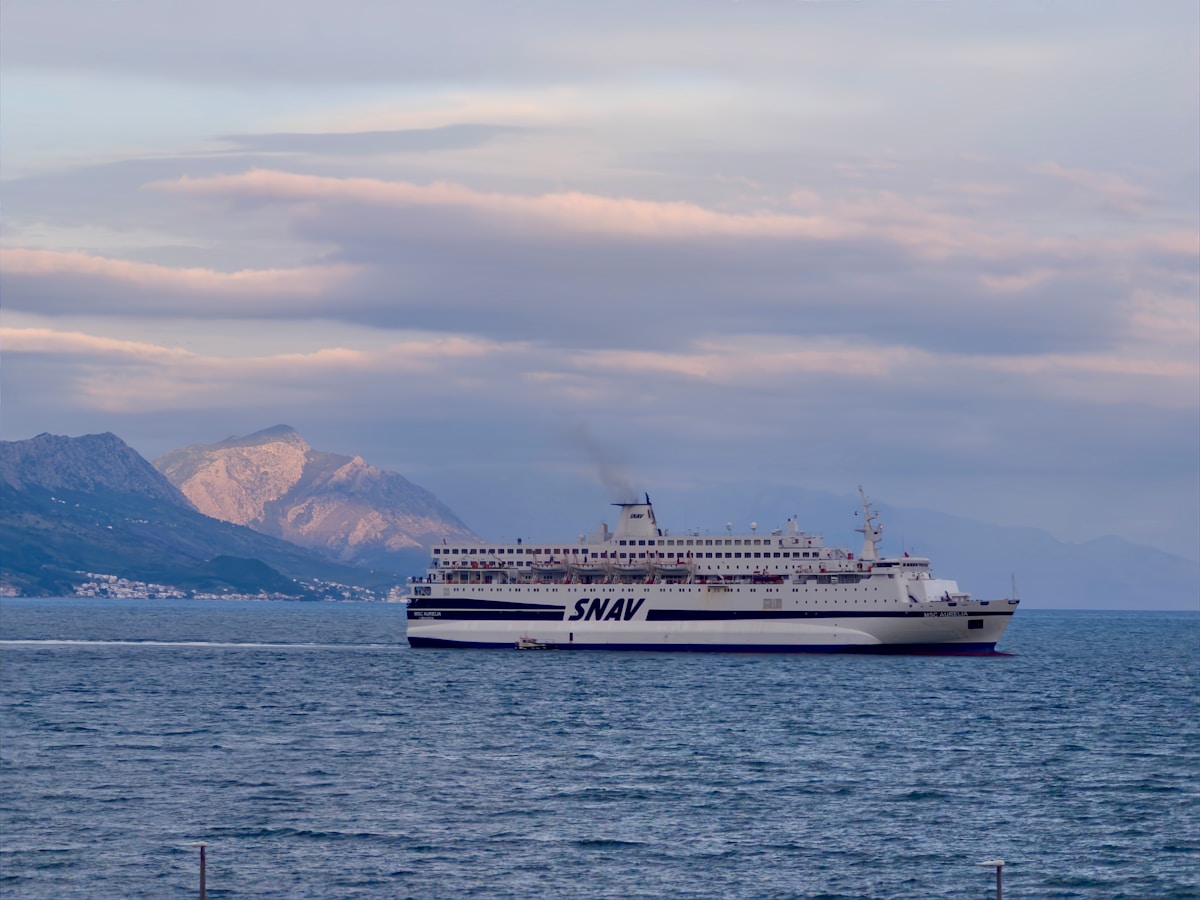
Croatia’s island-hopping scene is one of the best in Europe - over a thousand islands strung along the Adriatic, connected by a network of ferries, catamarans, and high-speed boats. Getting it right takes planning, especially in July and August when vehicles queue for hours and sailings sell out days in advance. This guide covers everything: which operator to book, how routes are structured, what things cost, and how to string together a practical multi-island itinerary.
Jadrolinija: The Main Ferry Network
Jadrolinija is the state-run ferry company and the backbone of Croatian island transport. It operates both car ferries (trajekti) and passenger-only catamarans, with year-round services on major routes and seasonal additions in summer.
Key Routes and Approximate Prices (2026)
Foot passengers pay a flat fare regardless of route length; vehicles are priced by length and depend on the route.
| Route | Journey Time | Foot Passenger | Car (approx.) |
|---|---|---|---|
| Split–Supetar (Brač) | 50 min | ~€5 | ~€30–40 |
| Split–Stari Grad (Hvar) | 2 hrs | ~€6 | ~€35–50 |
| Split–Vis | 2.5 hrs | ~€8 | ~€45–60 |
| Dubrovnik–Sobra (Mljet) | 1.5 hrs | ~€8 | ~€40–55 |
| Rijeka–Rab–Pag | 4–5 hrs | ~€12 | ~€60–80 |
| Split–Ancona (Italy) | 10–11 hrs | ~€45–70 | ~€80–130 |
| Dubrovnik–Bari (Italy) | 8–9 hrs | ~€40–65 | ~€75–120 |
All prices approximate and vary by season, vessel type, and booking window. Check jadrolinija.hr for current fares.
How to Book Jadrolinija
- jadrolinija.hr - the official site handles online reservations for vehicle spaces and cabin berths on overnight sailings. Foot passenger tickets on short domestic routes can usually be bought at the pier on the day, though booking ahead is wise in peak season.
- Vehicle reservations are essential in July–August. Popular routes like Split–Hvar and Split–Brač fill car spaces weeks out. Book the moment your dates are fixed.
- International ferries (Ancona, Bari) require advance booking for both passengers and vehicles. Overnight cabins sell out fastest - book two to three months ahead if travelling in summer.
- At the port, arrive at least 45–60 minutes before departure if you have a vehicle. Foot passengers can often board closer to sailing time but check the port’s latest guidance.
Vehicle Costs - What to Expect
Car fares are calculated by vehicle length plus a per-passenger fare. A standard hatchback (under 4m) on the Split–Brač run costs approximately €30–40 in 2026; longer vehicles and SUVs pay more. Motorcycles are cheaper than cars - typically €15–25 on short routes. Bicycles are usually €3–5 extra.
For overnight international routes to Italy, expect to add €20–40 for a cabin berth on top of the base passenger fare.
Catamaran Services: Krilo and TP Line
For foot passengers wanting faster crossings, two private operators compete with Jadrolinija on the most popular Dalmatian routes.
Krilo
Krilo runs high-speed catamarans connecting Split with Hvar town (Hvar), Korčula, Lastovo, and Vis. Journey times are significantly shorter than the car ferry - Split to Hvar town takes around 55 minutes versus two hours on the slow ferry. Prices run roughly €10–18 one-way depending on route. Krilo does not carry vehicles. Book at krilo.hr or through local travel agents in Split. In July and August, book at least a few days ahead - these sailings fill up fast.
TP Line
TP Line offers catamarans on the Dubrovnik–Korčula–Hvar–Split corridor, effectively letting you island-hop the entire Dalmatian coast in one direction over a day or two. The full Dubrovnik–Split run takes around 4.5 hours with stops. One-way fares sit around €20–35 depending on how many stops you board at. This is one of the most popular ways to travel the Dalmatian coast without a car - you pick up your luggage, hop off at an island for a night or two, then reboard the next day’s service southbound or northbound.
Island-Hopping Itinerary Ideas
Split’s position as Croatia’s main ferry hub makes it the natural starting or ending point for most island routes. From Split, you can reach Brač in under an hour, Hvar in two, and Vis in two and a half - all by car ferry or catamaran.
3-Day Route: Split, Hvar, Brač
Day 1 - Hvar Town: Take the Jadrolinija car ferry or Krilo catamaran from Split to Hvar. Check into your accommodation in Hvar town, explore the fortress, and have dinner on the Riva (the waterfront promenade). Hvar’s nightlife runs late - adjust plans accordingly.
Day 2 - Hvar island: Hire a scooter or join a boat trip to reach the secluded Pakleni Islands for swimming. Return to Hvar town for the evening.
Day 3 - Brač and Zlatni Rat: Take the catamaran or ferry to Supetar on Brač (connections exist via Split if needed), then bus or taxi to Bol and the famous Zlatni Rat beach. Return to Split from Supetar on the car ferry in the evening.
5-Day Route: Split to Dubrovnik via Islands
This route works best travelling by catamaran (Krilo or TP Line) without a car, checking into accommodation on each island.
Day 1: Arrive Split, stay overnight near the old town.
Day 2: Ferry or catamaran to Hvar town (55 min by Krilo). Overnight Hvar.
Day 3: Catamaran from Hvar to Korčula (1–1.5 hrs via TP Line or connections). Overnight Korčula town - one of Croatia’s most underrated medieval old towns.
Day 4: Continue to Mljet (ferry from Korčula or Prapratno) - quiet, forested, and home to national park saltwater lakes. Overnight Mljet or return to Korčula.
Day 5: Take the morning Jadrolinija ferry or catamaran connection to Dubrovnik. Arrive by early afternoon.
This approach lets you move south at your own pace and avoid the expensive and logistically complicated task of driving through the Neum corridor (the stretch of Bosnia and Herzegovina that cuts the Croatian coast in two).
4-Day Route: Northern Adriatic - Rijeka, Rab, Pag
Less visited than Dalmatia but genuinely worth it. The northern Adriatic islands have a different feel - more subdued, greener, and far less crowded in summer.
Day 1: Rijeka - Croatia’s second port, with a gritty industrial charm and good food.
Day 2: Jadrolinija ferry to Rab (~2 hrs from Baška on Krk, or direct from Rijeka in summer). Rab town has one of the most intact medieval bell-tower skylines in the Adriatic.
Day 3: Ferry connection to Pag - known for its moonscape limestone landscape, Pag cheese, and the party beach at Zrće.
Day 4: Return to Rijeka, or rent a car and drive south along the coast.
Peak Season Booking Tips (July–August)
Croatia’s summer crowds concentrate between 15 July and 15 August. During this window, a few rules apply.
Book vehicle spaces weeks ahead. This cannot be overstated. Jadrolinija car spaces on Split–Hvar and Split–Brač sell out routinely. If you miss a reserved sailing, you join the standby queue - which in peak season can mean a wait of three or four hours at Split’s busy Stari Grad terminal.
Go foot-passenger if at all possible. Travelling without a car removes the biggest logistical headache. Rent a scooter or join tours on the islands instead.
Travel early in the morning or late in the evening. Midday ferries in July are the most crowded. The 7am or 8pm departures are consistently less packed.
Check Jadrolinija’s seasonal timetable. The summer schedule (roughly mid-June to mid-September) adds extra sailings. The winter timetable reduces to one or two departures per day on many routes - so if you’re travelling in shoulder season, verify timings.
Book accommodation before booking ferries. The islands have limited beds, and popular guesthouses in Hvar and Korčula fill months ahead. Confirm your room first, then build your ferry schedule around it.
Inter-Country Ferries: Italy Connections
Croatia’s ferry network connects to Italy on two main routes, both useful for combining a Croatia trip with Italian travel.
Split–Ancona
The most popular international crossing, operated by Jadrolinija and SNAV. Departure times vary by operator - overnight sailings typically leave late evening and arrive early morning, which maximises time on both ends. Day sailings are also available in summer. Foot passenger fares run approximately €45–70 one way; car plus driver is roughly €80–130 depending on vehicle size and season. Book well ahead from May onwards for summer dates.
Dubrovnik–Bari
A useful option for travellers moving between Dubrovnik and southern Italy. Jadrolinija runs this route seasonally. Dubrovnik’s ferry port is at Gruž, about 4km from the old town - budget for a taxi or the number 1A/1B bus. Journey time is approximately 8–9 hours overnight. Fares are similar to the Split–Ancona crossing.
Practical Notes
Timetables change seasonally. Always verify sailings on jadrolinija.hr, krilo.hr, or tpline.hr before your trip. Third-party booking sites sometimes show outdated schedules.
Split’s ferry terminals are spread across the city. The main Jadrolinija terminal (for Brač, Hvar, Vis) is at the Stari Grad pier near the old town. International ferries use a separate terminal further along the quay - check which pier applies to your sailing.
Foot passengers board last. Car loading takes priority. Foot passengers queue separately and typically board via a gangway once vehicles are in place.
Bring water and snacks. Onboard cafeterias exist on longer sailings but are expensive. Short crossings to Brač or Hvar have minimal facilities.
Luggage is your own responsibility. There is no checked luggage system on domestic routes. Keep bags manageable if you are island-hopping with multiple transfers.
Croatia’s ferry system is extensive but rewards anyone who plans ahead. With the right bookings in place - especially vehicle spaces in July - the islands feel effortless to navigate and make for one of the most rewarding travel experiences in the Mediterranean.
Plan your trip: Browse tours and activities across Croatia. Travel insurance and a Balkans eSIM are worth sorting before you go.