Šibenik Travel Guide: UNESCO Cathedral, Fortresses and Krka
Šibenik travel guide: the UNESCO Cathedral of St James, four fortresses, Krka National Park access, Kornati boats and how to get there from Split.
Guides for Šibenik Travel Guide
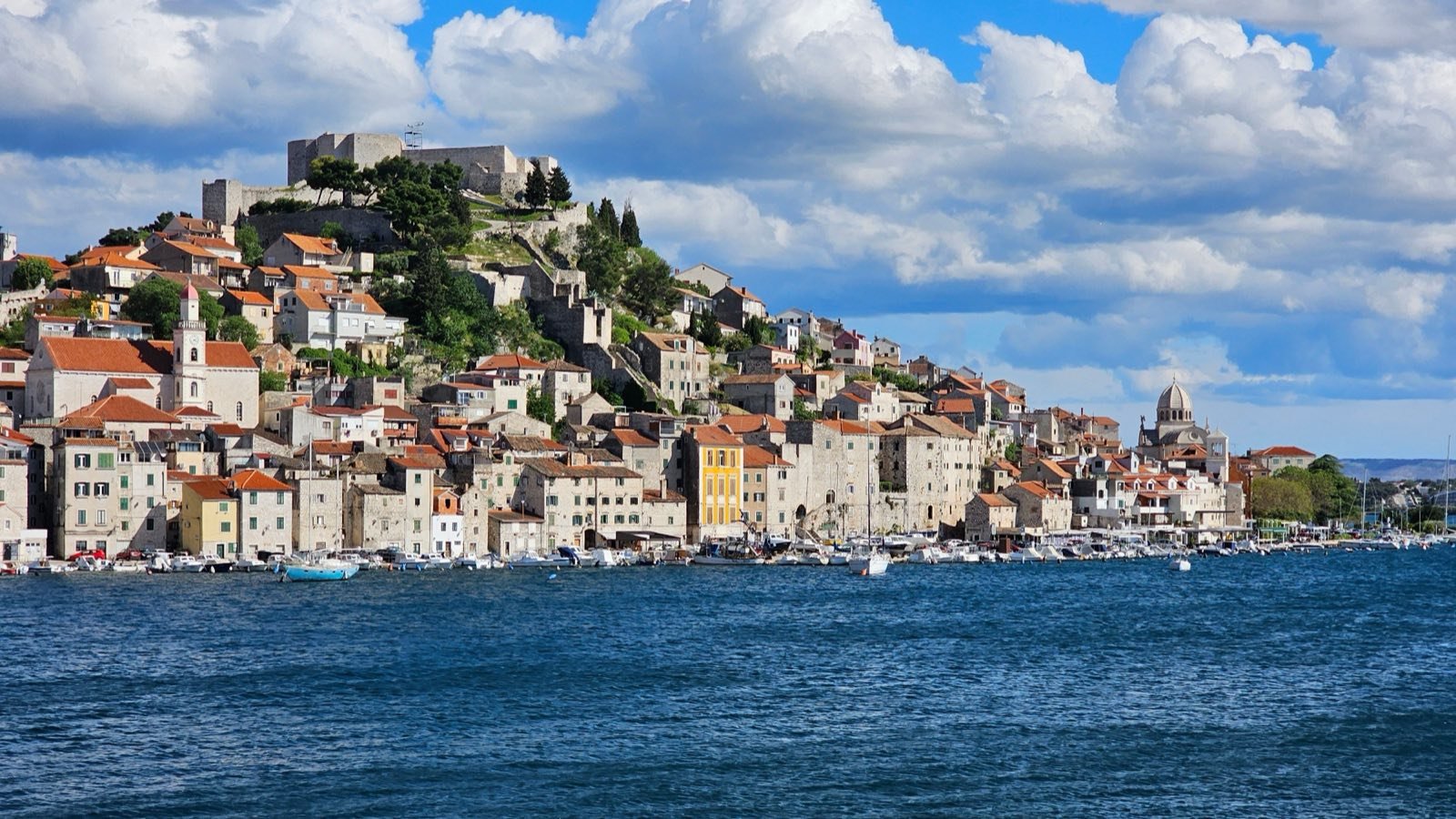
Šibenik is the most underrated city on the central Dalmatian coast. It was founded by Croats rather than the Greeks or Romans, which makes it unusual in the region, and the old town rises in stone steps from the harbour to St Michael’s Fortress. The cathedral is a UNESCO World Heritage Site and the town works as a gateway to Krka National Park and the Kornati islands. Use this page to plan the city, then see our detailed things to do in Šibenik and where to stay in Šibenik pages. Prices are in euros (€), approximate as of 2026.
Why go to Šibenik
Compared with Split and Zadar, Šibenik is quieter, cheaper and easier to explore on foot. It sits roughly midway between them and about 60 km from Trogir, so it fits neatly into a Dalmatian coast road trip. The old town is a maze of stone alleys, small squares and steps rather than a single main street, which rewards wandering without a plan.
Cathedral of St James
The Cathedral of St James (Katedrala sv. Jakova) was built between 1431 and 1536 and is listed by UNESCO as a masterpiece of the transition from Gothic to Renaissance architecture. It was built entirely of stone, without wood or brick, and the stone barrel vault and the frieze of 71 sculpted faces on the apse exterior are the highlights. The architects Juraj Dalmatinac and Nikola Firentinac shaped the building across more than a century. Allow 45 minutes, and expect an entry fee of roughly €5 to €10 as of 2026, with shorter hours in winter.
The four fortresses
Šibenik’s defences are more varied than in most towns.
- St Michael’s Fortress: the hilltop fortress above the old town, now used for concerts and with sweeping views over the islands.
- Barone Fortress: a 17th-century bastion on a hill behind the town with a modern, interactive visitor experience.
- St John’s Fortress: the highest point, ruined but atmospheric and a good walk.
- St Nicholas Fortress: a sea fortress guarding the channel to the sea, part of the UNESCO-listed Venetian defence works, best seen from a boat tour.
Krka and the islands
Šibenik is the natural base for Krka National Park. Boats from the Riva go to Skradin, and from there you join the park’s boat to Skradinski Buk. A full day is ideal. In the other direction, boats and day trips head out to the Kornati archipelago and to nearby islands such as Zlarin and Prvić. Compare Šibenik tours and boat trips for current options.
Eating and drinking
Šibenik is known for fresh Adriatic fish, olive oil, lamb from the hinterland and the local Debit white wine. The harbour front has the most visible restaurants, but the best value is in the side streets behind the cathedral. A main course at a mid-range restaurant is usually €15 to €25, and a coffee on the Riva about €2 to €3.
Getting there
- By car: the A1 motorway links Šibenik with Split and Zadar. Parking in the old town is limited, so use a public car park by the waterfront.
- By bus: frequent services from Split, Zadar and Zagreb; the station is a short walk from the old town.
- By air: the nearest airports are Split (around 60 km, about 55 minutes by road) and Zadar (around 80 km).
Our day trips from Split guide shows how to combine Šibenik with Krka and Trogir in one day.
A short history
Šibenik is first recorded in 1066 and is considered the oldest native Croatian town on the Adriatic coast. It spent centuries under Venetian rule, which explains the fortresses and the Venetian-influenced stonework, and its medieval identity is tied to the cathedral and the stone-carving tradition of the Dalmatian coast. The old town’s steep alleys, small churches and hidden courtyards are the product of that long period of building on a hillside. Modern Šibenik is a working port and university town as well as a visitor destination, so you will see locals using the same squares and cafes as visitors.
How to spend one, two or three days
One day: cathedral, old town, St Michael’s Fortress and lunch on the Riva. Two days: add a Krka boat day, or a Kornati cruise. Three days: add Primošten, the islands of Zlarin and Prvić, and a food or wine tour. If you are travelling along the coast, Šibenik is an easy overnight between Split and Zadar, and it is a better value base than either for Krka.
When to go
May, June and September offer the best mix of warm weather and space. July and August are hot and busy, and the city hosts an international children’s festival in late June and early July. Winter is quiet and many seasonal boats stop running.
Plan your stay
Browse Šibenik hotels or read our accommodation guide to pick between the old town, the waterfront and the Mandalina peninsula. For a wider Dalmatia plan, our Croatia hub links every city and region, and the Dalmatian Islands are the next step south, including Korčula.
Book an experience
Top experiences in Šibenik Travel Guide
Explore the best tours and activities in Šibenik Travel Guide - instant confirmation, free cancellation on most bookings.