Dalmatian Islands Travel Guide: Hvar, Brač, Korčula
Dalmatian Islands: Hvar's beaches and nightlife, Brač's Zlatni Rat, Korčula's Old Town, and Vis's quiet coves - ferry routes and prices.
Guides for Dalmatian Islands: Which to Visit
The Dalmatian Islands stretch along Croatia’s central and southern coast, reachable by ferry from Split and (for some) Dubrovnik. The main islands each have a distinct character: Hvar is the most fashionable and most visited; Brač is known for Zlatni Rat beach; Korčula is linked to Marco Polo and has a well-preserved medieval town; Vis is the least touristy with the clearest water. All-inclusive Split to Hvar day trips are one of the most popular organised excursions on the Dalmatian coast. All prices in euros (€).
The main islands
Hvar
Croatia’s most popular island. Hvar Town has a Venetian arsenal, a hilltop fortress, and a café-lined harbour that’s one of the most photographed spots on the Adriatic. The island is known for nightlife (Carpe Diem beach bar), lavender fields, and upscale beach clubs. Jelsa and Stari Grad offer quieter alternatives.
- Ferry: Split to Hvar Town (Jadrolinija catamaran, approx. 1 hour) or Split to Stari Grad (car ferry, approx. 2 hours)
Brač
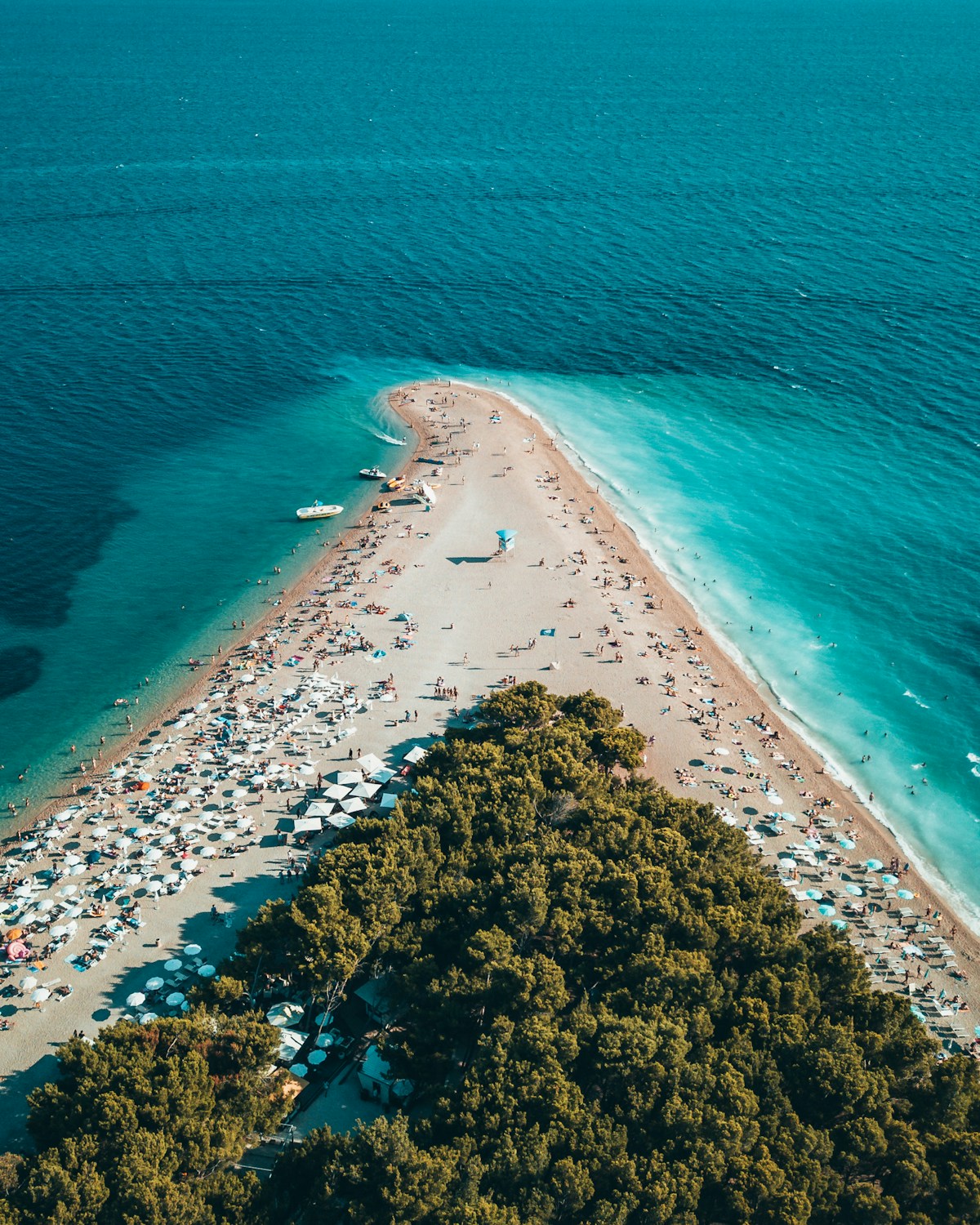
A larger island with Zlatni Rat - the most photographed beach in Croatia, a distinctive sand-and-pebble spit that shifts shape with the current. Supetar and Bol are the main towns. Good for swimming, windsurfing, and day trips from Split.
- Ferry: Split to Supetar (car ferry, approx. 50 minutes)
Korčula
A medieval fortified Old Town often called “Little Dubrovnik,” reputedly the birthplace of Marco Polo. The island produces Marco Polo wine and has several good beaches. Less crowded than Hvar.
- Ferry: Split to Vela Luka (catamaran, approx. 3 hours) or Orebić (Pelješac) to Dominče (short crossing)
Vis
Croatia’s most remote major island, former Yugoslav military base, and now the most unspoiled option. The Blue Cave (Modra špilja) on nearby Biševo Island is its most famous attraction. The town of Komiža is unhurried and relaxed.
- Ferry: Split to Vis Town (catamaran, approx. 2.5 hours)
Šolta
The closest island to Split - 45 minutes by catamaran. Quiet, with olive groves and honey production, popular for short escapes from the city.
Getting to the islands
All major islands are accessible by ferry from Split. Jadrolinija operates the main services; Atlas and Krilo run catamaran services. Key notes:
- Car ferries run to Supetar (Brač), Stari Grad (Hvar), and Vela Luka (Korčula) - book car spaces well ahead in summer
- Passenger-only catamarans are faster and more frequent
- Dubrovnik serves Korčula and the southern islands via separate routes
When to visit
- July–August: Full services, maximum crowds, highest prices - book accommodation 2–3 months ahead
- June and September: Best for combining beaches and walkable towns
- May and October: Quieter; some beach facilities closed but swimming still possible
Accommodation on the islands
Hvar
Adriana Hvar Spa Hotel - boutique hotel in Hvar Town with rooftop pool.
- Price: €120–300
Podstine Hotel - quiet seafront hotel 1km from Hvar Town, private beach.
- Price: €100–240
Private apartments and villas dominate the island, with good selections available across standard booking platforms.
Korčula
Lešić Dimitri Palace - the top accommodation on Korčula: a 16th-century bishop’s palace converted into five individual apartments. Exceptional design and service.
- Price: €220–450
Brač and Vis
Mid-range hotels in Bol (Brač) and Komiža (Vis) from €80–150; private apartments widely available.
Food on the islands
The islands follow Dalmatian cooking broadly - grilled fish, seafood, peka (slow-cooked lamb or octopus under an iron bell, requires 4–6 hours advance ordering), and simple pasta dishes.
Hvar
Gariful (Hvar Town harbour) - the most celebrated restaurant; fish and seafood; mains €25–50; book well ahead. Konoba Menego - traditional Dalmatian cooking in an interior courtyard; mains €18–32. For a cheaper sit-down, Nonica near the market serves reliable fish at €12–20.
Vis
Vis is known for its bluefin tuna and octopus under peka. Villa Kaliopa (in a 16th-century garden, Vis Town) - mains €20–40; one of the most atmospheric restaurant settings in Dalmatia. Konoba Bako in Komiža - known for grilled tuna and fresh catch; mains €15–28.
Korčula
Konoba Adio Mare (Korčula Old Town) - reliable Dalmatian seafood; mains €14–26. LD Restaurant - wine-pairing menus featuring local Marco Polo wine; mains €22–40.
Brač
Konoba Marinero in Bol - beachside setting near Zlatni Rat; grilled fish mains €13–22.
Costs
Restaurant meals in summer: budget end €12–18, mid-range €22–35, fish restaurants on Hvar/Vis €30–55. Eating well on the islands costs noticeably more than on the mainland, particularly July–August.
Island-hopping practical tips
- Ferry/catamaran tickets: Buy from Jadrolinija port offices or online in advance; peak-season car spaces sell out weeks ahead - foot passengers have more flexibility
- Cash: ATMs on all main islands but may be limited in smaller villages; carrying euros is useful
- Language: Croatian throughout; English widely spoken in tourist areas June–September
- Mobile coverage: Good on Hvar, Brač, and Korčula; intermittent on remote parts of Vis
- Dress code: Bikini/swimwear is acceptable at beach areas; cover up in old town restaurants and churches
Dalmatian Islands guides
See also
Plan your trip: Browse island tours along the Dalmatian coast to see what’s available, from walking tours to day trips. Hire a car if you want flexibility for the surrounding area, and cover your journey with Balkans travel insurance.
Book an experience
Top experiences in Dalmatian Islands: Which to Visit
Explore the best tours and activities in Dalmatian Islands: Which to Visit - instant confirmation, free cancellation on most bookings.