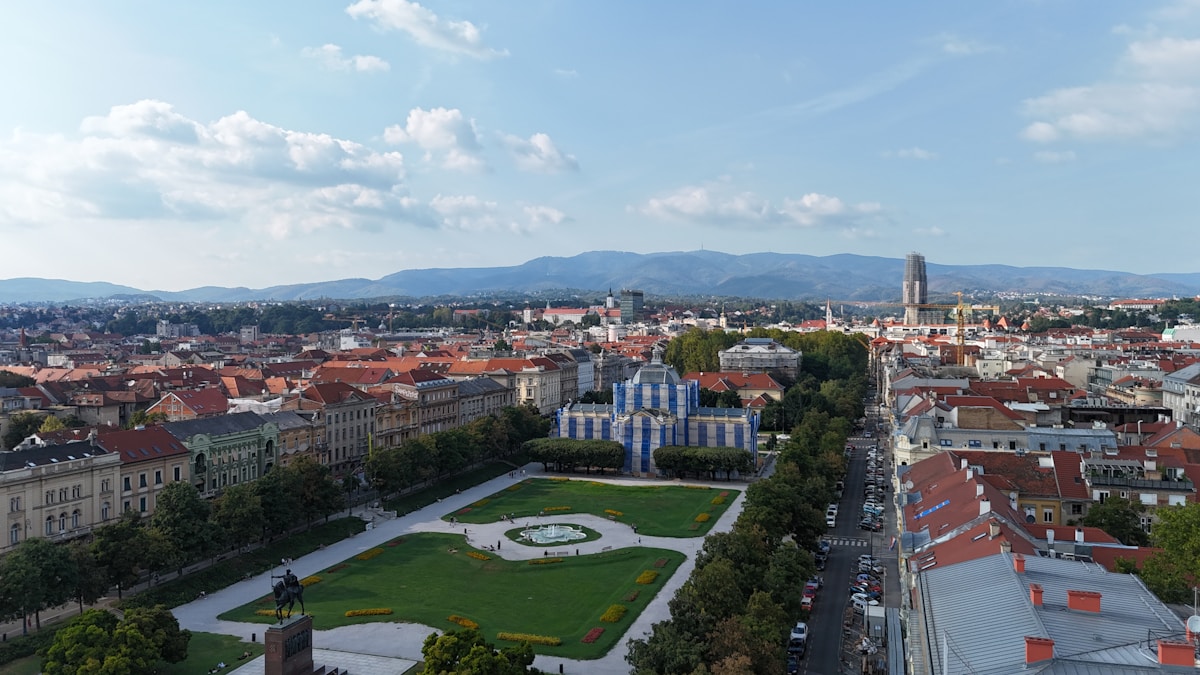
Zagreb is Croatia’s capital and its most underappreciated city — a place most visitors pass through on the way to Dalmatia. The Upper Town’s Habsburg architecture, the Dolac market, and the Museum of Broken Relationships (genuinely excellent) repay a full day. Plitvice Lakes is the natural magnet for day trips, but the Ljubljana border crossing and Rastoke waterfalls are less-visited alternatives worth considering.
Here is a breakdown of the best tours in 2026 by traveller type.
Top Zagreb Tours at a Glance
| Tour | Duration | From (approx) | Best For |
|---|---|---|---|
| Zagreb Walking Tour | 2 hrs | €15 | First-timers, history fans |
| Traditional Dishes Food Tour | 3 hrs | €40 | Food lovers, local culture |
| Local Dishes & City Stories Tour | 3 hrs | €35 | Cultural visitors, foodies |
| Plitvice Lakes Day Trip | Full day | €50 | Nature lovers, photographers |
| Rastoke & Plitvice Day Trip | Full day | €55 | Hikers, waterfall visitors |
| Ljubljana Day Trip | Full day | €40 | Culture seekers, border hoppers |
| Private Zagreb Walking Tour | 2.5 hrs | €90 | Private groups, families |
Browse all Zagreb tours on GetYourGuide
For First-Time Visitors: Upper Town and the Cathedral
Zagreb divides into the Upper Town (Gornji Grad) and Lower Town (Donji Grad) — two distinct areas connected by a funicular built in 1890 (approximately €0.66 per ride as of 2026, the shortest funicular in the world at 66 metres).
Gornji Grad walking tour (approximately €15, 2 hours): covers St. Mark’s Church with its 13th-century portal and 19th-century Croatian coat of arms mosaic roof, the Lotrščak Tower (a 13th-century defensive tower with a noon cannon fired daily since 1877), the Ban Jelačić Square, and the Stone Gate with its preserved medieval Madonna painting. The Upper Town is also where Zagreb’s oldest taverns are concentrated — Tkalčićeva Street runs north from the main square and is the best single street for restaurant browsing.
Book directly: Zagreb City Walking Tour — from approximately €15 per person as of 2026, covers both the Upper and Lower Town highlights.
Zagreb Cathedral (free entry) is the tallest building in Croatia at 108 metres and a major landmark, though it has been under ongoing renovation since the 2020 earthquake that damaged the spires. Dolac Market (open mornings daily) is the open-air market above the main square — the best place in Zagreb to see the Slavonian produce that defines continental Croatian cuisine.
For Food Lovers: Croatian Cuisine and Dolac Market Tastings
Zagreb’s food identity is distinct from coastal Croatia — it draws on Austro-Hungarian influences (štrukli, gulaš, kremšnita custard cake) rather than Mediterranean flavours. Kulen, the spiced pork sausage from Slavonia, and wines from the Plešivica or Slavonian wine routes are the regional specialities to seek out.
The Traditional Dishes Food Tour (approximately €40, 3 hours) covers Dolac market, a štrukli specialist, a traditional Croatian restaurant, and a craft beer stop — 4–5 tastings across the city’s best-preserved food culture zones.
Book directly: Zagreb: Food Tour — Bite into Traditional Dishes and Flavors — approximately €40 per person as of 2026, includes Dolac market, štrukli, and 4+ food stops.
The Local Dishes and City Stories tour (approximately €35, 3 hours) takes a slightly wider cultural angle — pairing each food stop with historical context about Zagreb’s café culture, the Austro-Hungarian legacy, and the Yugoslav-era restaurant scene. Recommended for visitors who want food as a lens into history rather than purely culinary focus.
Book directly: Zagreb: Food Tour — Local Dishes & City Stories — approximately €35 per person as of 2026, includes 4+ tastings with historical commentary.
For a deeper dive, see our food tours in Zagreb guide.
For Nature Lovers: Plitvice Lakes and Rastoke Waterfalls
Plitvice Lakes National Park (135km south, full day) is Croatia’s most visited tourist site and the country’s only UNESCO World Heritage natural site (listed 1979). The park contains 16 terraced lakes connected by waterfalls, in colours ranging from turquoise to emerald depending on mineral content and light. The main circuit covers the lower and upper lakes — approximately 8km and 3–4 hours at a comfortable pace.
Park entry costs approximately €30–45 per person in peak season (July–August) as of 2026, depending on the program chosen. Guided day tours from Zagreb (approximately €50–60) include transport, entry, and a guide — the guide is most useful for identifying the best viewpoints and less-travelled paths around the upper lakes.
Book directly: Zagreb to Plitvice Lakes Day Trip — approximately €50 per person as of 2026, includes transport, park entry, and guided circuit.
Rastoke (115km west) is a village where the Slunjčica River flows into the Korana through a series of mills, waterfalls, and natural pools built around 17th-century wooden architecture. Much smaller and less visited than Plitvice; several tours combine both in one day.
Best Day Trips from Zagreb
Ljubljana, Slovenia (140km north, full day): the most accessible border crossing from Zagreb and one of the most visually striking Central European capitals. Ljubljana Castle, the triple bridge, Plečnik’s covered market, and the Metelkova alternative arts district are all walkable. Guided day trips (approximately €40–55) combine the city with a stop at Postojna Cave or Lake Bled. Train travel is also feasible (3 hours, approximately €15 one way).
Rovinj, Istria (260km west, 3 hours by car): the most picturesque Istrian town — a peninsula of coloured buildings above the Adriatic, a Venetian heritage, and the best truffle restaurants in Croatia. Better as an overnight than a strict day trip; an ambitious day is possible with an early departure.
Varaždin (75km north): a Baroque town often called “little Vienna”, with a Renaissance castle, intact 18th-century town centre, and a cemetery designed in the 19th century as a parkland. Easy half-day trip by train (approximately 1 hour, €7 one way).
For full day-trip planning, see our day trips from Zagreb guide.
Practical Tips for Booking Zagreb Tours
- Plitvice timing matters enormously: July–August peak means queues at the boat crossing and the most popular viewpoints. Tours departing before 8am from Zagreb consistently get 90+ minutes ahead of the tour-bus crowds. May, June, and September have better conditions.
- Book food tours at least 2 days ahead on weekends — Zagreb food tours run with a maximum of 12 participants.
- The Museum of Broken Relationships (Gornji Grad, approximately €5 entry as of 2026) is one of the most original museums in Europe — a permanent exhibition of objects donated by people after relationship breakups, each with a written story. No tour needed; budget 45–60 minutes.
- Tkalčićeva Street is Zagreb’s most atmospheric bar and restaurant strip — best after 7pm when it fills up as a pedestrian outdoor dining zone.
- Zagreb airport is 12km south of the city; transfers take approximately 30 minutes by shuttle (approximately €8) and should be pre-booked in summer.
Browse all Zagreb tours and activities
For a full stay plan, our Zagreb city guide covers neighbourhoods, transport, and the best months to visit. If you’re planning the Croatian coast, see the Croatian coast road trip itinerary for a route south from Zagreb to Dubrovnik.