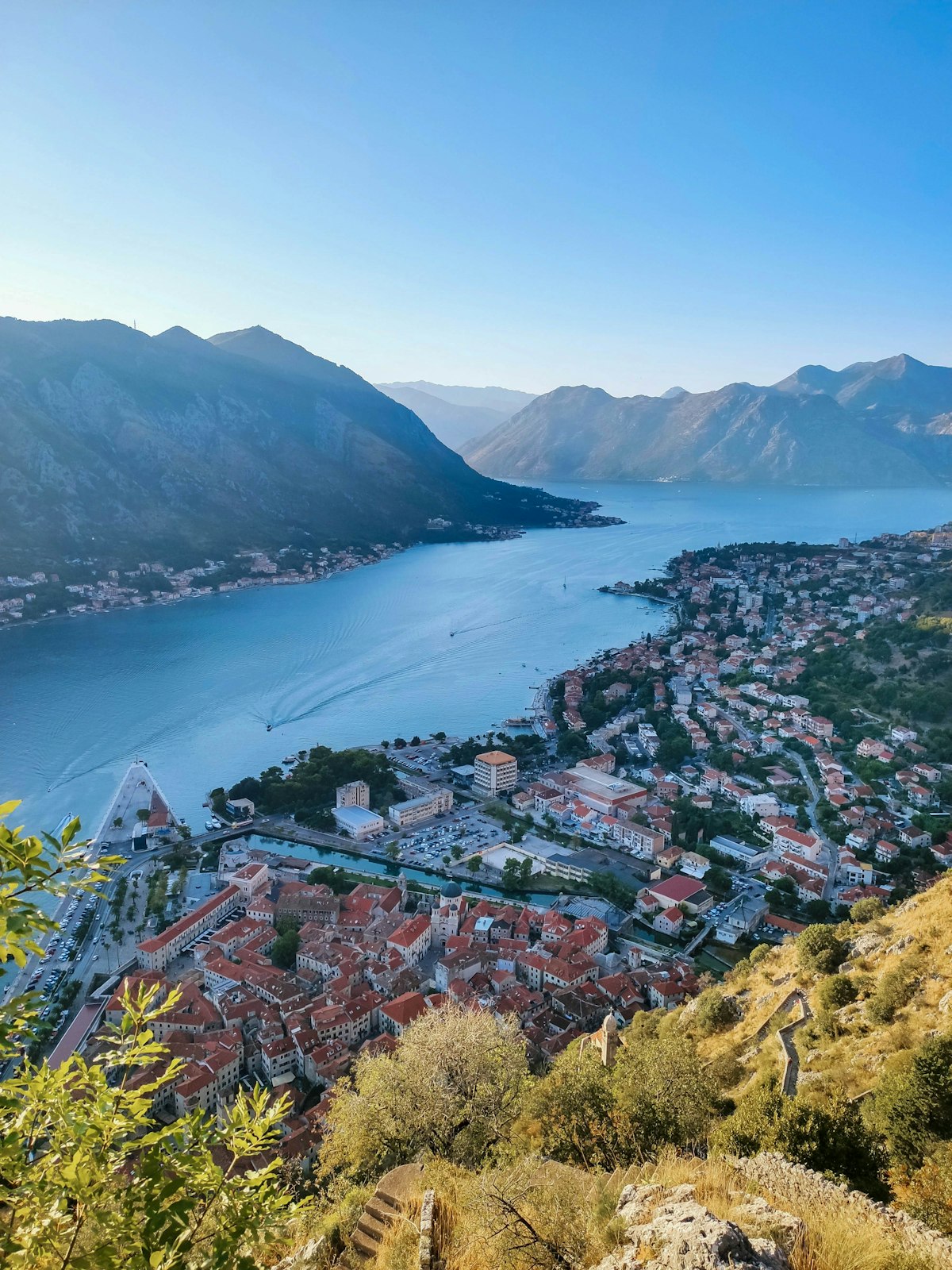
Kotor’s food scene operates in an unusual register - a small walled town with several excellent restaurants, a supply chain that reaches up to the mountain village of Njeguši for its best cured meats and down to the bay for fresh fish and seafood, and a wine culture rooted in Montenegrin grape varieties that most visitors have never tasted. The town’s size means that a food tour is typically more intimate than the equivalent in Dubrovnik or Belgrade - smaller groups, shorter distances, and a more direct connection to the people producing the food.
This guide covers the food tour formats available, the dishes and ingredients worth knowing, and where to eat well independently after the tour.
What Montenegrin Food Culture Is Built On
Montenegro’s cooking divides cleanly along its geography. The coast and the Bay of Kotor produce fish and shellfish cuisine heavily influenced by Venetian and Dalmatian traditions - grilled Adriatic fish, black risotto, seafood buzara. The mountain interior (which begins almost immediately above Kotor) is the other world: slow-cooked lamb, dried and smoked meats, dairy from mountain herds, and winter stews built around root vegetables and dried beans.
Kotor sits at the transition point between these two traditions, and the best eating in the town reflects both. The most specific local products are:
Njeguški pršut: Dry-cured and smoked pork prosciutto from the village of Njeguši on the Lovćen plateau above Kotor. The production method - salting, pressing, smoking over beech and oak, then air-drying - is essentially unchanged from the 18th century. The altitude and the mountain winds of the Lovćen massif create the specific microclimate that gives the pršut its character. Genuine Njeguški pršut is darker, smokier, and more intensely flavoured than Dalmatian or Italian equivalents. It’s available in Kotor restaurants and at several shops in the old town; price approximately €20–28 per kg as of 2026 for authentic village-made product versus €12–16 for commercial versions.
Njeguški sir: Sheep’s milk cheese from the same village, pressed and aged in mountain conditions. The result is a firm, slightly crumbly white cheese with a clean, moderately sharp flavour. The classic Montenegrin serving format pairs pršut and sir together on a wooden board, with bread and possibly roasted peppers - the combination is both the traditional mountain hospitality spread and the region’s best cold appetiser.
Vranac wine: Montenegro’s primary red grape, producing deep purple wines with high tannin and alcohol (typically 13.5–14.5% ABV). The Plantaže winery in Podgorica controls most of the commercial production and runs the Vranac wine region’s largest estate (2,300 hectares of vineyards). Their Vranac Pro Corde is the most widely available quality expression. Smaller producers near Nikšić and Cetinje produce lower-volume versions that food tour guides may source for tastings.
Adriatic seafood: The bay and the open coast above Kotor supply the town’s restaurants with daily fish - brancin (sea bass), orada (sea bream), lignje (squid), and dagnje (mussels) from the bay’s own mussel farms. Black risotto (crni rižot, made with squid ink) is the most iconic preparation; the fish buzara - shellfish or shrimp cooked in white wine, garlic, and tomato sauce - is the workhorse of Kotor’s seafood menus.
Kotor Food Tour Options
Three verified GetYourGuide options — from a focused 3-hour Old Town walk to a structured tasting format with souvenir included:
| Tour | Duration | Format | Approx. Price | Covers | Book |
|---|---|---|---|---|---|
| Kotor: Food Walking Tour with Tastings | 3 hours | Group walking | From ~€40/person | Farmer’s Market, Njeguški pršut and sir, local olive oil, bay seafood tasting, Old Town route | Book |
| Kotor: Old Town Food & Wine Tasting Tour | ~2.5 hours | Group | From ~€45/person | Montenegrin wine tasting including Vranac, cheese and pršut pairings, Old Town stops | Book |
| Kotor: Old Town Charms & 8 Local Tastings | ~3 hours | Group walking | From ~€50/person | 8 tastings across 3 venues — Njeguški pršut, goat and sheep cheese, fig jam, sweet Montenegrin wine, souvenir included | Book |
Which to choose: The 3-hour Food Walking Tour is the most rounded option — it covers the market, the key mountain products, and the coastal seafood tradition in one outing. The Food & Wine Tasting Tour suits travellers with a specific interest in Montenegrin producers and the Vranac grape. The 8 Tastings tour offers the most structured format across multiple venues and includes a souvenir — a good choice for those who want to take something back from the trip.
Prices are approximate as of 2026. Check current availability at the links above.
Old Town Food Tour Kotor (search GetYourGuide for current listings from local operators) runs guided tasting walks through the old town’s food producers and restaurants. The format typically covers: a pršut and sir tasting at a specialist shop, a stop for local olives and olive oil, a wine tasting with Montenegrin wines including Vranac, and a meal of bay seafood at a selected restaurant. Price approximately €40–60 per person as of 2026; duration 2.5–3.5 hours. Private tours available from approximately €100–130 for a group of two.
GetYourGuide food and wine tours for Kotor include wine-tasting experiences focused on Montenegrin producers (approximately €25–40 per person, 1.5–2 hours, typically held at a wine bar or cellar in the old town), combined food-and-cooking experiences (approximately €55–80 per person, 3–4 hours, including preparation of a traditional Montenegrin dish), and private food tours that can be customised to include a trip to Njeguši village for a farmhouse tasting (approximately €90–130 per person with transport).
Njeguši Village Food Experience: The most specific food excursion available from Kotor. Several private operators run half-day tours up the serpentine Lovćen road to Njeguši, stopping at a farmhouse where the family produces pršut and sir for direct sale and tasting. You taste the cured ham at different stages of ageing, try the cheese with local bread and rakija, and understand the production process from the people doing it. Price from approximately €40–65 per person including transport. More meaningful than a restaurant tasting because you’re eating the product in the place it’s made.
The Kotor Restaurant Scene
The old town has roughly 60–80 restaurants and cafés within an area of approximately 0.7 square kilometres, which creates both selection and significant variation in quality. The tourist-facing street (Trg od Oružja, the main square, and the streets radiating from it) contains some of the most aggressively priced and least interesting options. The better restaurants are in the quieter parts of the old town: near the Cathedral of St. Tryphon, around Trg od Mlijeka, and along the northern sections of the wall where foot traffic is lower.
Galion, on the waterfront outside the old town walls (south gate area), is the longest-running serious restaurant in Kotor - Adriatic fish, bay mussels, and a comprehensive wine list. Reservations recommended in summer. Main courses approximately €16–28 as of 2026.
Restoran Bastion (inside the walls, near the north corner) serves a Montenegrin-focused menu - lamb dishes, pršut boards, and local wine - in a setting built into a medieval bastion. Main courses approximately €10–18 as of 2026.
Tanjga Wine Bar is the best dedicated wine stop in the old town - a narrow bar with Montenegrin producers including small-production Vranac and the Krstač white grape variety from the Crmnica wine region (a high-altitude area near Skadar Lake producing some of Montenegro’s most interesting wines). Glasses from approximately €3–6.
Konoba Scala Santa, just outside the walls near the north gate, has been run by the same family for over 30 years and serves the most genuinely local food in the immediate Kotor area - homemade pasta, grilled fish, and the pršut board that most restaurant versions in the old town are approximating. Main courses approximately €9–15 as of 2026.
Bay Seafood: What to Order
Crni rižot (black risotto): The most ordered dish on Kotor’s seafood menus - arborio rice cooked with squid, squid ink, and white wine until it turns deep black. The flavour is oceanic and slightly briny; the texture should be al dente. Price approximately €10–16 as of 2026.
Dagnje na buzaru (mussels buzara): Bay mussels steamed with white wine, garlic, tomato, and parsley. The Bay of Kotor has active mussel farms at Tivat and near Perast - the product is extremely fresh and the preparation shows it best. Price approximately €8–12 for a main portion.
Grilled brancin (sea bass): The standard grilled fish option - whole fish, gutted and cleaned, grilled over wood or charcoal and served with blitva (Swiss chard with potatoes and olive oil) and a lemon. At its best when the fish arrives the day of fishing; restaurants near the fish market at the south gate of the old town are most likely to have daily-fresh stock. Price approximately €15–25 per fish depending on size.
Prosciutto and cheese board: The mountain combination served in a coastal town. The best version in Kotor uses genuine Njeguški pršut rather than commercial substitutes; the restaurants that source direct from village producers are worth identifying on a food tour. Price approximately €10–14 as of 2026.
Montenegrin Rakija: What to Know
Montenegrin rakija is most commonly lozovača (grape brandy) or medovina (honey spirit, less common). Home distillation is widespread and the quality of household rakija vastly exceeds commercial versions. Restaurants with good relationships with mountain producers often serve unlabelled house rakija as an aperitif; ask whether it’s domaća (homemade) or commercial. The domaća version, poured into a small glass before ordering, is the better experience.
Šljivovica (plum brandy) from the northern mountains and kruškovac (pear liqueur) are also available; the latter is sweet enough to function as a dessert drink.
Browse food tours, wine tastings, and bay dining experiences in Kotor on GetYourGuide.
For planning your stay in the old town, the Kotor city guide covers accommodation inside and outside the walls, the fortress climb timing, and how to read the restaurant scene beyond the main tourist strip.