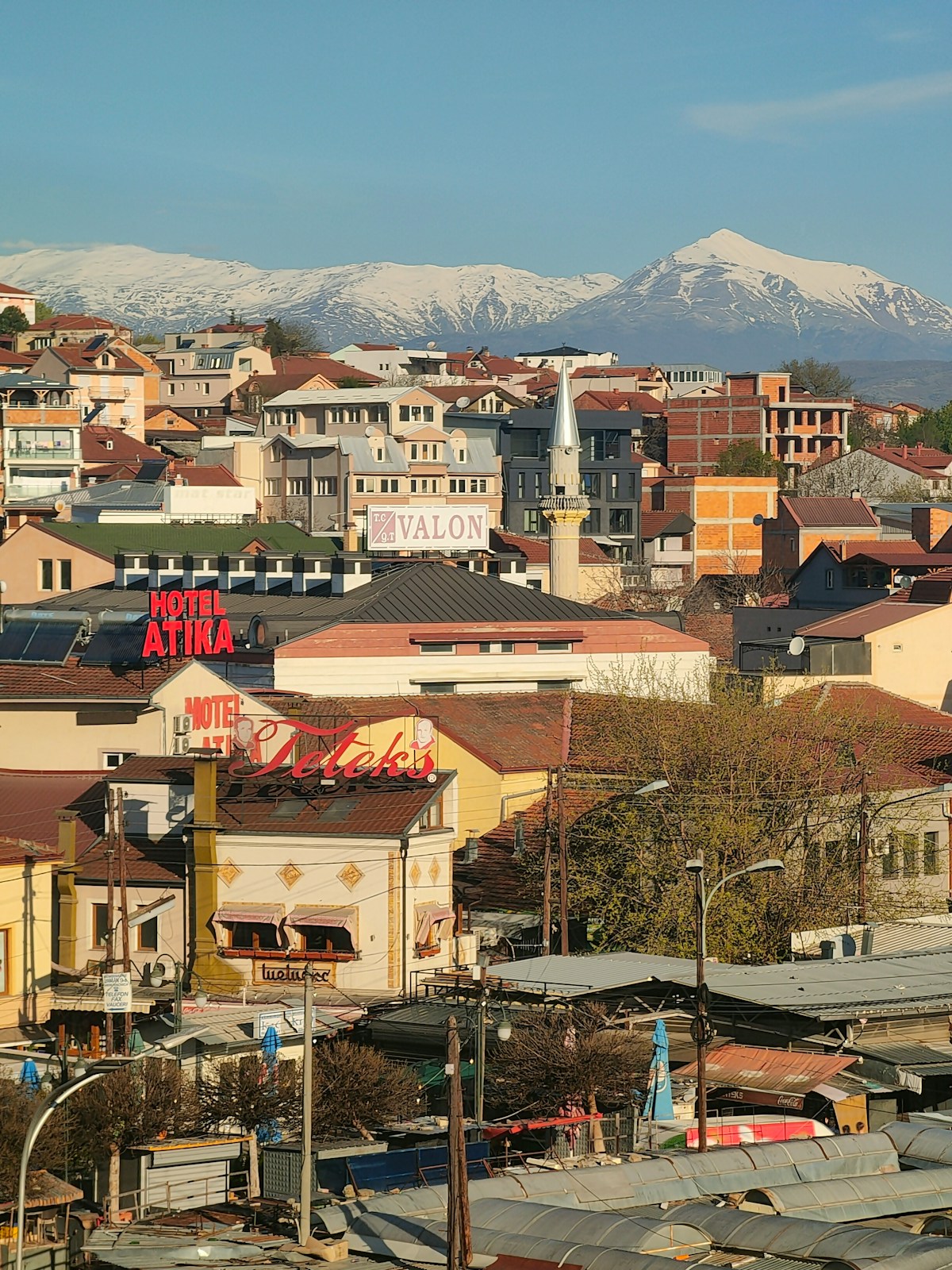
Skopje is stepping into Europe’s cultural spotlight. North Macedonia’s capital has been designated European Capital of Culture for 2028, and preparations are now gathering serious momentum, making it one of the most compelling emerging destinations in the Balkans this year.
The designation joins Skopje alongside past title-holders such as Plovdiv, Matera, and Valletta - cities that saw sustained tourism surges both before and after their designation years. For travellers, the run-up is often the best time to visit: investment in cultural infrastructure is at its peak, events are ambitious, and crowds have not yet reached the levels the title eventually brings.
The programme is already driving a broader conversation about visiting the Balkans in June, when the region’s mild temperatures and long evenings suit city exploration. Skopje itself has a genuinely unusual urban landscape - part baroque revival, part Ottoman bazaar, part concrete socialist grid - and the cultural programme is drawing on all three layers. New exhibitions, restored landmarks, and a series of international partnerships are already on the calendar for 2026 and 2027.
What this means for travellers planning ahead
North Macedonia sits on the fringe of most standard Balkans itineraries, often overshadowed by Dubrovnik, Kotor, and the Albanian Riviera. The 2028 designation is shifting that. Tour operators are already adding Skopje extensions to their regional routes, and direct connections from Western Europe have been improving.
The capital is roughly three to four hours by road or rail from both Sofia and Thessaloniki, making it straightforward to include on any two- or three-week Balkans circuit. If you are building a longer trip, our 2-week Balkans itinerary includes routing through North Macedonia and can be adapted to add more time in Skopje as cultural programming expands.
Getting there
Flights to the Balkans from Western Europe connect to Skopje via the Alexander the Great Airport (SKP), with Wizz Air and Turkish Airlines offering frequent service from London, Vienna, and Istanbul. Overland connections via bus from Thessaloniki and Sofia provide affordable alternatives for travellers already in the region.
Hotel infrastructure in Skopje remains competitively priced compared with Dubrovnik or Kotor, and the city’s Čaršija bazaar quarter offers some of the most atmospheric accommodation in the western Balkans. If you want to get oriented on arrival, guided Skopje tours cover the bazaar, the Stone Bridge, and the main monument circuit in a half-day. We expect availability to tighten as 2028 approaches, so planning ahead is worthwhile for anyone with the designation on their radar.