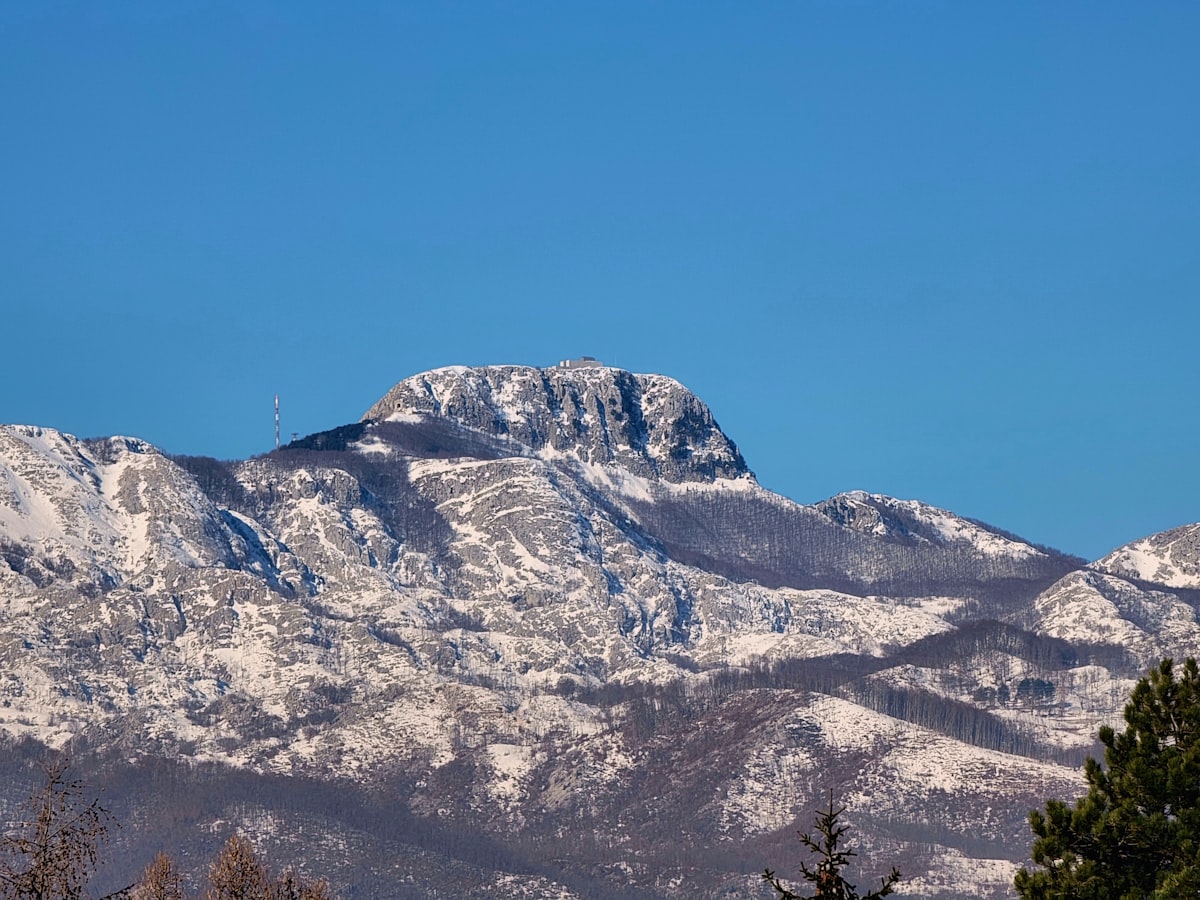
The standard Balkans trip has a well-worn shape: fly in June, work the coast, endure the crowds at Plitvice and Dubrovnik, pay July prices for everything. That version of the Balkans is genuinely good. But the winter version — colder, quieter, dramatically cheaper — makes a strong counter-argument, particularly if you prefer a city to a beach.
Here is the honest case for Balkans winter travel.
The Price Argument
Winter pricing in the Balkans is not a marginal discount. It is a structural change.
A mid-range hotel double in Belgrade in January costs approximately EUR 40–65. The same room in July costs EUR 85–130. In Dubrovnik, the difference is more extreme: a room in the Old Town that runs EUR 250–350 in August drops to EUR 80–120 from November to February.
Restaurants do not change prices seasonally the way hotels do — but you are more likely to eat at the same table as locals in winter, which typically means smaller portions at smaller restaurants at lower prices, simply because the tourist-menu restaurants close.
Flights follow the same logic. London to Belgrade in January: frequently below GBP 60 return. London to Dubrovnik: below GBP 80. Compare that to July figures of GBP 150–250 for the same routes.
A week of winter Balkans travel — Belgrade plus Sarajevo, mid-range hotels, eating well — costs approximately EUR 700–900 per person excluding flights. A comparable summer trip to the same cities costs EUR 1,100–1,500.
The Crowd Argument
Plitvice Lakes receives approximately 1.5 million visitors per year. In July, the wooden walkways over the lower lakes feel like a queue system. In February, the falls freeze partially, the footbridges are dusted with snow, and on a Tuesday afternoon you might share the lower circuit with fewer than 50 people. The park charges lower winter entry (approximately EUR 7 versus EUR 23–40 in peak summer season).
Dubrovnik in summer sees up to 10,000 cruise ship passengers landing per day. In January, none. The Old Town belongs to the permanent residents, a handful of hotel guests, and you. The City Walls walk (open year-round, adults HRK 200 / approximately EUR 27) takes 90 minutes in complete quiet.
The Sarajevo Baščaršija bazaar — genuinely busy year-round because it is a working marketplace, not a tourist set-piece — is at its best in winter. The copper workshops operate normally. The coffee shops are full of regulars. The winter market adds stalls from December onward without displacing the underlying character of the place.
The Mountain and Ski Argument
The Balkans has some of the best-value skiing in Europe, and winter is when you can access it.
Bansko, Bulgaria is the most well-known and most developed of the Balkan ski resorts. Situated 160 km south of Sofia, it has 75 km of marked runs, a gondola from the town, and a base village with a full range of accommodation and restaurants. Lift passes from approximately EUR 35/day or EUR 185 for 6 days. Ski and boot hire from approximately EUR 20/day. Compare this to a 6-day Méribel pass at EUR 300+ — you begin to understand why Bansko has grown sharply in popularity.
A mid-range ski-in-ski-out apartment at Bansko in January costs approximately EUR 50–70 per night for two people. Kempinski Hotel Grand Arena Bansko is the resort’s luxury option from approximately EUR 180–220 per night, with pool and spa.
Kopaonik, Serbia is Serbia’s largest and highest ski resort (top altitude 2,017m, 55 km of runs). Less internationally known than Bansko, which means it remains more authentically Serbian — noisy, social, and good value. Day passes from approximately EUR 30–35. Accommodation in the resort from EUR 50/night for a mid-range double. The resort is self-contained, with most skiing done within a 10-minute walk of the accommodation.
Jahorina, Bosnia sits 28 km from Sarajevo, making it easily combinable with a city stay. It hosted the 1984 Winter Olympics women’s alpine events. The resort is small (20 km of runs) but affordable: day passes from approximately EUR 22, ski hire from EUR 15/day. The après-ski is limited but the skiing itself is good and uncrowded. Hotel Termag Jahorina is the best-positioned property on the mountain, from approximately EUR 60–90 per night.
Bjelasnica, Bosnia sits 30 km from Sarajevo on the mountain used for the 1984 men’s alpine events. More basic than Jahorina, with limited accommodation on the mountain, but accessible as a day trip from Sarajevo. Day passes from approximately EUR 15–20.
Kolasin, Montenegro (Kolašin 1450 and Kolašin 1600 — two connected areas) is the newest major investment in Balkan skiing. Gondola-linked, with 22 km of runs and modern lifts installed from 2019 onward. Day passes from approximately EUR 25–30. Montenegro’s Tara River Canyon and Biogradska Gora national park are within an hour’s drive for non-skiers.
The Cities-in-Winter Argument
Winter reveals which Balkan cities are worth visiting for their own sake, not their settings.
Belgrade has an argument to be one of the best cities in Europe for a winter short break. The fortress and Kalemegdan park, the Skadarlija bohemian quarter, the National Museum, the covered Zeleni Venac market, the kafanas that function as the city’s living rooms — all of these work brilliantly in cold weather. Restaurants serving roast meats and local wine are designed for winter. A 3-night Belgrade winter break — two meals per day, museum entry, one taxi per day — costs approximately EUR 180–240 per person including accommodation at a mid-range hotel.
Sarajevo in winter, with early snow on the Olympic mountains, is one of the most atmospheric cities in Eastern Europe. The Tunnel of Hope, the War History Museum, and the Vijećnica are the three essential sites; each takes 2–3 hours. Add the Baščaršija bazaar and the Yellow Fortress viewpoint for 2 full days of sightseeing without a car or a tour. A day trip to Jahorina or Bjelasnica for skiing adds a third day naturally.
Sofia as a winter base works exceptionally well because Vitosha Mountain — a national park — is accessible by metro and on-foot from the city centre. The Aleko ski area on Vitosha (1,810m) has limited but genuine skiing, with lift passes from approximately EUR 15/day. Combined with the city’s world-class museums (especially the National History Museum and the Rila Monastery — 117 km south, open year-round) and the 2-hour connection to Bansko, Sofia gives you more options per winter day than almost any other Balkan city.
Dubrovnik and Kotor are the only coastal cities that reward a winter visit, largely because of the architecture. Both Old Towns are UNESCO-listed, enclosed by walls, and require no natural light to work. Kotor’s walls (free, approximately 1.5-hour climb) and Dubrovnik’s City Wall circuit are best walked in the quiet of January or February. Both cities have good year-round restaurants — not the tourist-menu versions, but the ones that feed the permanent population.
What to Pack for a Balkans Winter Trip
The Balkans is cold from November through March. Inland cities are genuinely cold — Belgrade averages -2°C in January overnight, 4°C in the afternoon. Mountains can reach -15°C or lower. Pack accordingly:
- Warm layers: thermal base, fleece, insulated jacket
- Waterproof outer layer (rain is as common as snow in the cities)
- Sturdy waterproof shoes or boots with grip for icy pavements
- Ski-specific gear for any mountain days (rentable at all resorts)
A Suggested Winter Itinerary (10 nights)
Cities + skiing circuit:
- Fly into Sofia (2 nights: Vitosha, National History Museum, city centre)
- Bansko (3 nights: skiing, mountain restaurants, après-ski village)
- Fly or overnight bus to Sarajevo (2 nights: Baščaršija, Vijećnica, War History Museum)
- Jahorina ski day (day trip from Sarajevo)
- Bus to Mostar (1 night: Stari Most, Old Town, Kravice Waterfalls in lower spring flow)
- Fly home from Split or Dubrovnik (1 night: city wall walk, Old Town)
Total estimated cost (mid-range, excluding international flights): approximately EUR 900–1,200 per person for 10 nights.
Winter does not suit everyone’s version of the Balkans. But if your version includes ski slopes that cost less than the Alps, cities where you eat dinner alongside locals, and historic streets without a selfie stick in sight — winter is the better Balkans.