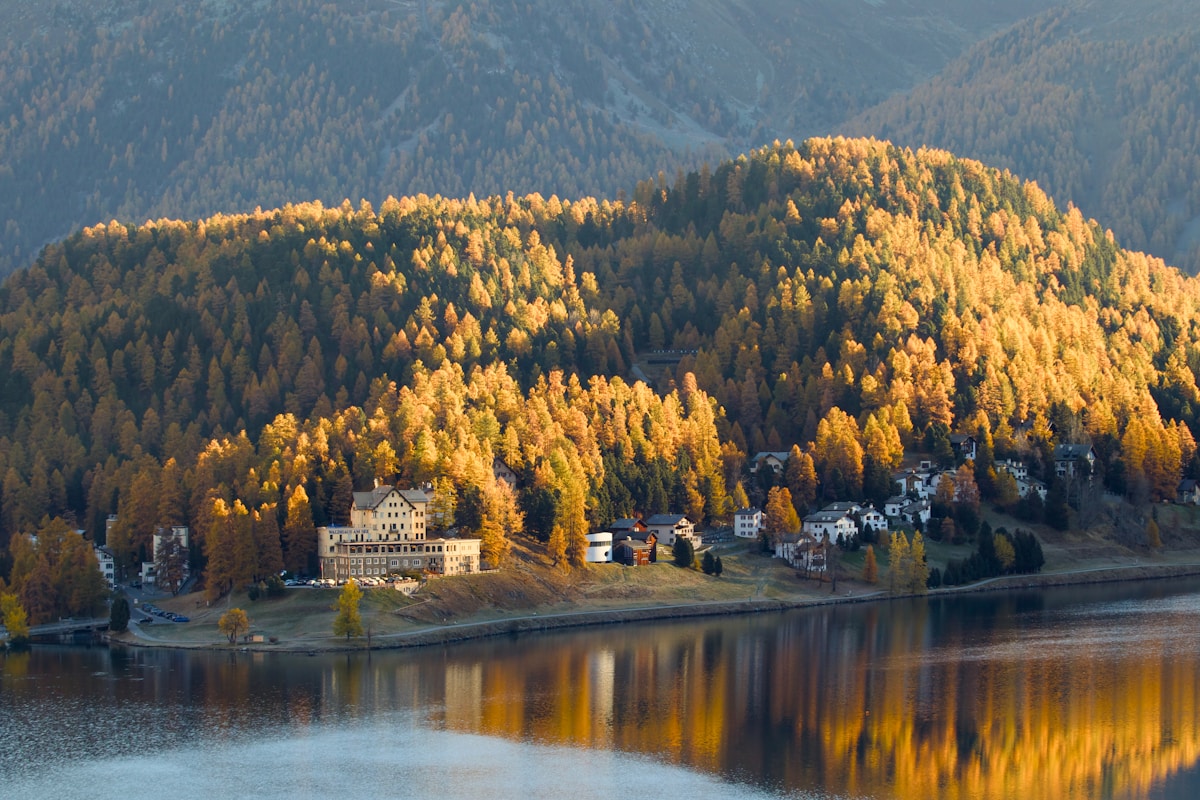
November is the pivot point where the Balkans sheds its summer crowds and becomes a genuinely different kind of destination. The Adriatic coast quiets down, the mountains start accumulating their first snow, and the cities — Belgrade, Sarajevo, Sofia, Skopje, Ljubljana — hit their atmospheric low-season sweet spot: museums with no queues, restaurants with actual locals, and hotel prices that feel like a different continent.
This is not a beach trip. It is a cities-and-mountains trip, and it is excellent.
What to Expect from November Weather
Belgrade and Serbia: Expect highs of 10–13°C in early November dropping to 6–9°C by month’s end. Rain is likely on around 12 days of the month. Pack layers and a waterproof jacket. The first real cold rarely arrives until December, so sightseeing is comfortable.
Bosnia (Sarajevo and Mostar): Sarajevo averages 4–8°C and typically sees the first snowfall by mid to late November — a dusting rather than a blanket, but atmospheric. Mostar, in the river valley, stays milder at 10–14°C. Both cities are excellent in November.
Croatia (Zagreb, Split, Dubrovnik): Zagreb is similar to Belgrade — grey and cool, good for museums and the opening of Advent Zagreb in late November. Split and Dubrovnik are milder (12–16°C) with occasional rain; both are open and significantly emptier than summer.
Bulgaria (Sofia and Plovdiv): Sofia sits at altitude and cools fast — highs around 8–12°C, with occasional frost. Plovdiv is slightly milder. Both cities are fine for November, with museums, restaurants, and cafes all operating normally.
Slovenia (Ljubljana): Ljubljana averages 7–11°C and can be atmospheric with fog in the river valley. The Christmas market preparations typically begin in the last week of November.
North Macedonia (Skopje): Mild for the Balkans at 10–15°C, with low rainfall. Skopje is often overlooked in November — this is a mistake. The city centre’s vast pedestrian square is pleasant without tour groups.
What Is Open in November
Almost everything in the cities stays open year-round. The following is an honest breakdown of what changes:
Open and normal: Fortress and old town sites in Belgrade, Sarajevo, Mostar, Plovdiv, Skopje, and Ljubljana. National museums and galleries everywhere. City restaurants and coffee bars. Ski lift openings in higher resorts (Bansko typically opens by late November; Kopaonik and Jahorina by early December).
Reduced but operating: Adriatic ferry routes operate on a reduced winter schedule. Some smaller Dubrovnik restaurants close on weekdays and open only Fri–Sun. Plitvice Lakes National Park is open year-round but the wooden walkways over the lakes may close temporarily after heavy rain.
Mostly closed: Island accommodation on Hvar, Brac, and Vis. Most beach bars and outdoor restaurants on the Adriatic coast. Boat trips from Dubrovnik to Montenegro and Albania.
Where to Go in November
Belgrade, Serbia
Belgrade is at its least tourist-heavy and most authentic in November. The city’s kafanas (traditional taverns) fill with locals escaping the cold, making it one of the best cities in Europe for atmosphere-to-cost ratio in autumn.
Where to stay: The Hotel Mama Shelter Belgrade on Skadarlija charges approximately EUR 60–90 per night for a double in November — about 35% less than summer peak. Budget option: Generator Hostel Belgrade from EUR 14 per dorm bed.
The Belgrade Fortress (free entry) and the National Museum of Serbia (entry approximately 400 RSD / EUR 3.50) are the two headline draws; neither is ever crowded in November.
Sarajevo, Bosnia
Sarajevo in November is the most underrated city break in the Balkans. The Baščaršija bazaar still operates at full energy — coffee shops, coppersmith workshops, and kebab stalls open daily. The city gets atmospheric early snowfall by mid-November, and the War History Museum and the City Hall (Vijećnica) are two of the most affecting museums in the entire region.
Where to stay: Hotel Michele in the old town from approximately EUR 55–75 per night. For budget, Hana Hostel Sarajevo from EUR 15 per dorm bed.
Day trip option from Sarajevo: Bjelasnica Mountain (28 km away) often has its first snow cover by mid-November, making for a sharp, cold hike with good ridge views before the ski season opens.
Dubrovnik, Croatia
The argument for Dubrovnik in November is simple: the same UNESCO-listed Old Town walls, the same limestone streets, the same Adriatic backdrop — minus the thousands of cruise passengers per day. Hotel prices drop substantially. Hotel Stari Grad in the Old Town costs approximately EUR 90–130 per night in November versus EUR 250–350 in July. The City Wall walk (adults HRK 200 / approximately EUR 27) takes under 90 minutes without summer heat or crowds.
Sofia, Bulgaria
Sofia is the most practical November city in the Balkans for travellers on a budget. Flights into Sofia from Western Europe are often the cheapest in the region. The Alexander Nevsky Cathedral, the National History Museum, and the Boyana Church (a UNESCO site with medieval frescoes; entry approximately EUR 10) are all in top form. Sofia also connects to Bansko ski resort in approximately 2 hours by bus — making a city/ski combo viable from late November onward.
Where to stay: Arena di Serdica Hotel from approximately EUR 65–90 per night. Hostel beds at Hostel Mostel Sofia from EUR 12 per night.
November Prices: What to Budget
| Item | Approximate cost |
|---|---|
| Hostel dorm (Belgrade, Skopje, Sofia) | EUR 12–18 per night |
| Mid-range double hotel (Sarajevo, Belgrade) | EUR 45–75 per night |
| Mid-range double hotel (Dubrovnik, Ljubljana) | EUR 90–140 per night |
| Restaurant meal (3 courses, house wine) | EUR 15–25 per person (Serbia/North Macedonia) |
| Restaurant meal (Croatia) | EUR 25–40 per person |
| Coffee (Serbian kafana espresso) | EUR 1.00–1.50 |
| Museum entry (average) | EUR 3–8 |
November flights from London to Belgrade: from approximately GBP 70 return. London to Split: from approximately GBP 80 return. Sofia from London: frequently below GBP 60 return via budget carriers.
A Suggested November Route
5 nights, cities focus: Fly to Belgrade (2 nights) → overnight train or bus to Sarajevo (2 nights) → bus to Mostar (1 night) → fly home from Split or Dubrovnik.
7 nights, adding mountain: Same base route plus 2 nights in Sofia, with a day trip to Bansko for a preview of the ski season.
3 nights weekend break: Belgrade or Sarajevo alone, which each reward a slow 3-day visit without rushing.
What to Book in Advance
November requires less pre-booking than summer, but a few things are worth securing early:
- Hotels in Dubrovnik: The open-year-round options are limited; the best ones fill even in low season.
- War History Museum Sarajevo (Tunnel of Hope): No pre-booking required but the shuttle from town runs limited times; check current schedules on arrival.
- Bansko transfers from Sofia: Book a private transfer or shared shuttle rather than relying on public buses, which are infrequent.
November in the Balkans rewards travellers willing to trade beach weather for something more layered — the cities work better, the prices are lower, and the experience is genuinely off the tourist trail in a way that August simply cannot be.