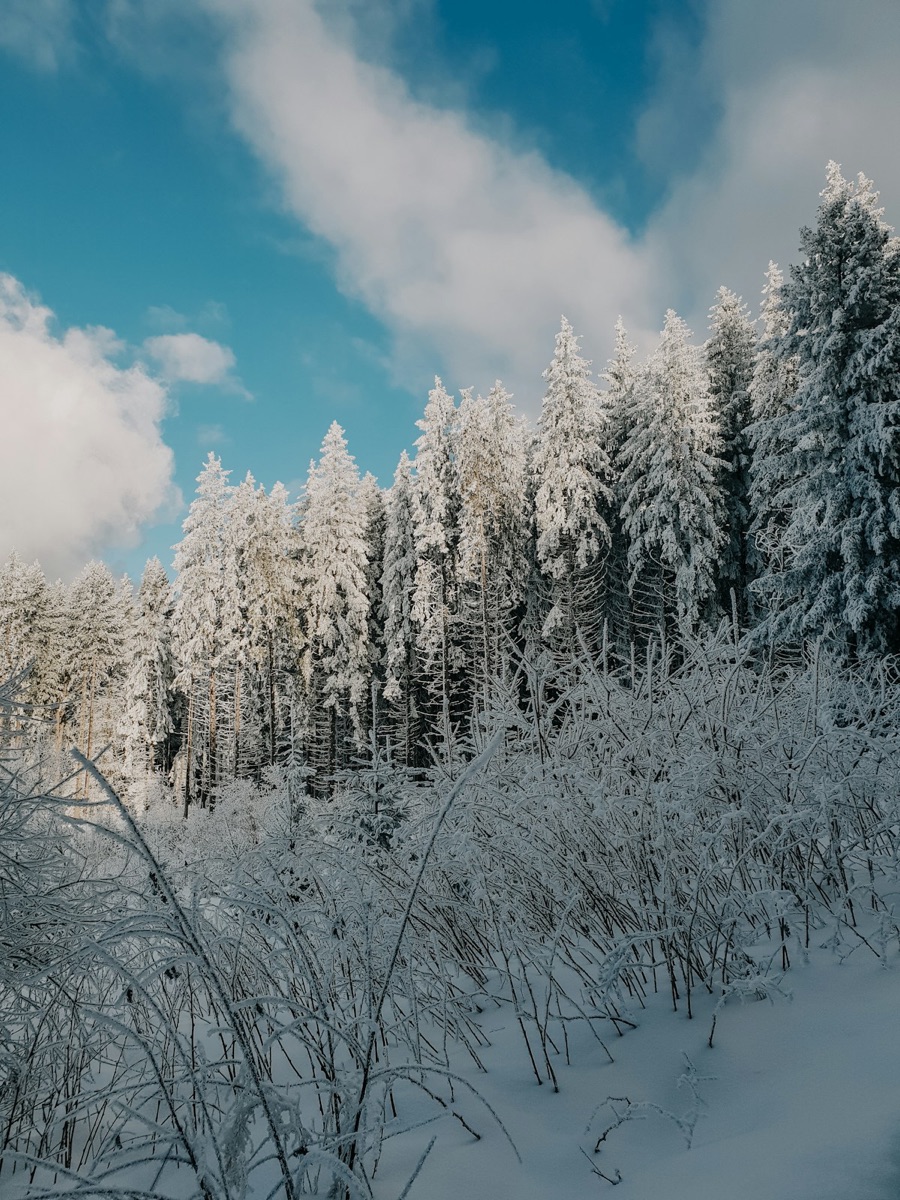
January is when the Balkans splits cleanly into two destinations: the coast, which largely shuts down, and the interior — mountains and cities — which is fully operational and at its cheapest. For anyone planning a January trip, the interior is where the value is.
The ski resorts are fully open, prices have dropped from the New Year peak, the cities have their character back without tourists, and flights into Belgrade and Sofia are frequently the cheapest in Europe in January.
Weather in January
Belgrade and Northern Serbia: Average overnight low of -2°C, afternoon high of 4°C. Snow possible but not guaranteed in the city — more common on higher ground. Grey skies dominate, but dry cold days occur. Wind from the north (košava wind) can make it feel colder.
Sarajevo, Bosnia: One of the coldest Balkan capitals in January. Average overnight low of -3°C, afternoon high of 3–5°C. Regular snow cover in the city itself, typically from late December. The mountain suburbs — where Jahorina and Bjelasnica are located — have reliable deep snow throughout January. Sarajevo in snow is one of the most photogenic cities in the region.
Sofia, Bulgaria: Similar to Belgrade — averages 0–5°C in January with snow possible. Vitosha Mountain above the city is usually snow-covered, and Bansko (160 km south) is in full ski season. Good base for combining city culture with day trips to the mountains.
Skopje, North Macedonia: Milder than Bosnia at 2–7°C, but cloudy. January sees the lowest tourist numbers of the year — mid-range hotels can be found from EUR 40–60 per night.
Dubrovnik and Kotor: Mild but rainy — 4–9°C, frequently overcast. Both cities are largely tourist-free in January. A good choice for a 2–3 day city stop if you want Old Town atmosphere without the summer crowds, but it is not beach weather.
Adriatic coast generally: Most accommodation from Split to Budva closes in January. Ferries to islands run reduced schedules. Confirmed open year-round: Dubrovnik Old Town, Kotor Old Town, Split city centre.
Skiing in the Balkans in January
January is the peak of the Balkan ski season. All five major resorts are at full capacity with reliable snow.
Kopaonik, Serbia
Kopaonik is Serbia’s most developed ski resort — 55 km of runs, top altitude 2,017m, modern gondola and chair lift system. January is fully operational with good snow coverage. The resort village is self-contained with hotels, restaurants, and ski rental all within the ski perimeter.
Day pass: approximately EUR 30–35. 6-day pass: approximately EUR 160–180.
Where to stay: Hotel Angella Kopaonik on the ski slope from approximately EUR 60–90 per night in January. Hotel Konaci Kopaonik is a mid-range option from EUR 50–75. Book weekends 6–8 weeks ahead in January.
Getting there: Belgrade to Kopaonik by direct bus from the BAS bus station, approximately 4.5 hours. Transfers also available from Niš airport (1.5 hours). Flying into Belgrade (BEG) is typically the cheapest entry point.
Bjelasnica, Bosnia
Bjelasnica (1,967m base area) hosted the 1984 Winter Olympics men’s downhill. It sits 30 km from Sarajevo and is accessible as a day trip. The mountain has 19 km of marked runs plus off-piste. Less developed than Kopaonik but excellent for intermediate skiing and very affordable.
Day pass: approximately EUR 15–20. Ski hire: approximately EUR 15/day.
There is limited on-mountain accommodation. Most skiers base in Sarajevo and take the morning transfer (buses depart Baščaršija from approximately 08:00 on ski days; confirm current schedule at the tourist information centre on Sarači Street).
Closest hotel to Bjelasnica: Hotel Maršal Bjelasnica at the ski base from approximately EUR 45–70 per night. Limited rooms — book ahead in January.
Bansko, Bulgaria
Bansko is the most internationally known Balkan ski resort and the most reliable in terms of snowmaking and infrastructure. January is peak season — full resort operation, all lifts running, gondola from town with long queues on weekends. Book weekday stays if flexibility allows.
Day pass: approximately EUR 35–38. 6-day pass: approximately EUR 195–210.
Where to stay: Kempinski Hotel Grand Arena Bansko is the luxury option from EUR 190–240 per night. Mid-range: Hotel Lucky Bansko SPA & Relax from approximately EUR 65–95 per night. Budget apartments sleep 2–4 from EUR 40–60/night.
Getting there: Sofia to Bansko by bus from the Ovcha Kupel station, approximately 2 hours. Shuttle services also depart from Sofia Airport.
Jahorina, Bosnia
Jahorina (1,400–1,916m, 20 km of runs) is the most atmospheric resort in the region — the 1984 Olympics women’s events were held here, and the retro lodge-style accommodation gives it a character that more commercial resorts lack. January snow is deep and consistent.
Day pass: approximately EUR 22–28. Ski hire: approximately EUR 15–18/day.
Where to stay: Hotel Termag Jahorina is the best-positioned hotel on the mountain, from approximately EUR 60–90 per night including breakfast. Transfers from Sarajevo available.
January City Travel: Where to Go
Belgrade
January is one of the best months in Belgrade for the simple reason that the city genuinely doesn’t care about tourists. The kafanas (traditional taverns) on Skadarlija and in the Vračar neighbourhood run exactly as they always have — plum brandy (šljivovica), roast lamb, folk music on Fridays. The National Museum of Serbia (reopened 2018 after decades of closure, entry approximately RSD 400 / EUR 3.50) holds the collection properly — you can see the medieval Serbian frescoes, the Roman-era artefacts, and the modern Serbian art collection without a crowd.
Where to stay: Mama Shelter Belgrade from approximately EUR 55–75 in January. Hotel Moskva — the 1906 Art Nouveau landmark on Terazije Square — from approximately EUR 70–100.
Sarajevo
Sarajevo in January deserves its own mention beyond the skiing. The winter festival (Baščaršija) runs through 6 January for Orthodox Christmas. After that, the city returns to its regular rhythm: coffee shops full of locals, the bazaar operating as always, and the War History sites that require quiet concentration to process.
January hotel prices in Sarajevo are the lowest of the year. A mid-range double at Hotel Michele or Hotel Europe runs EUR 50–70. A hostel dorm at Hana Hostel runs EUR 13–16. Restaurants serving Bosnian food — ćevapi, burek, begova čorba (bey’s soup with lamb) — average EUR 8–12 for a full meal.
Skopje
Skopje in January is the most underpriced city break in the Balkans. The Čaršija (old Turkish bazaar), the Macedonia Square, and the Byzantine-era Kale Fortress are all free or near-free to visit. The Stone Bridge over the Vardar River and the Museum of the Macedonian Struggle (entry approximately MKD 200 / EUR 3.30) are both excellent. Mid-range hotels from EUR 40–65. Budget hostels from EUR 12.
Orthodox Christmas: 7 January in the Balkans
Serbia, North Macedonia, and Montenegro are majority Serbian Orthodox Christian countries. 7 January (Orthodox Christmas) is a public holiday. What this means for travellers:
- Museums and shops may close for the morning of 7 January (variable by city — Belgrade tends to stay more open than smaller towns)
- Belgrade’s Saborna Crkva (Cathedral Church) hosts a Christmas morning service worth attending even for non-Orthodox visitors — the ceremony is distinctive and the church building is historically significant
- Restaurants close early on Christmas Eve (6 January) and may be fully closed on the 7th
- Streets around churches are busy with families in traditional dress
- Hotels are not affected — they operate normally
Book any January trip that spans the 6–8 January period with the holiday schedule in mind. It is an interesting time to be in Serbia or North Macedonia, but plan meals in advance.
January Budget Summary
| Category | Cost |
|---|---|
| Hostel dorm (Belgrade, Sarajevo, Skopje) | EUR 12–18 per night |
| Mid-range hotel double (inland cities) | EUR 45–80 per night |
| Ski day pass (Bosnia) | EUR 15–28 |
| Ski day pass (Serbia/Bulgaria) | EUR 30–38 |
| Ski hire (full set) | EUR 15–20/day |
| Restaurant meal, 3 courses (Serbia, Bosnia) | EUR 10–18 per person |
| Beer or wine (restaurant) | EUR 1.50–3 |
| Intercity bus (Belgrade–Sarajevo) | EUR 18–22 |
A 7-night January trip — mid-range hotel, 4 days skiing at Jahorina, 3 days in Sarajevo — costs approximately EUR 650–850 per person excluding international flights. Flights from London to Belgrade in January start from approximately GBP 55 return.
January in the Balkans is not compromised winter travel. It is deliberately chosen winter travel — for the skiing, the prices, the Orthodox Christmas atmosphere, and the chance to see some of Europe’s most interesting cities without a lens in front of them.