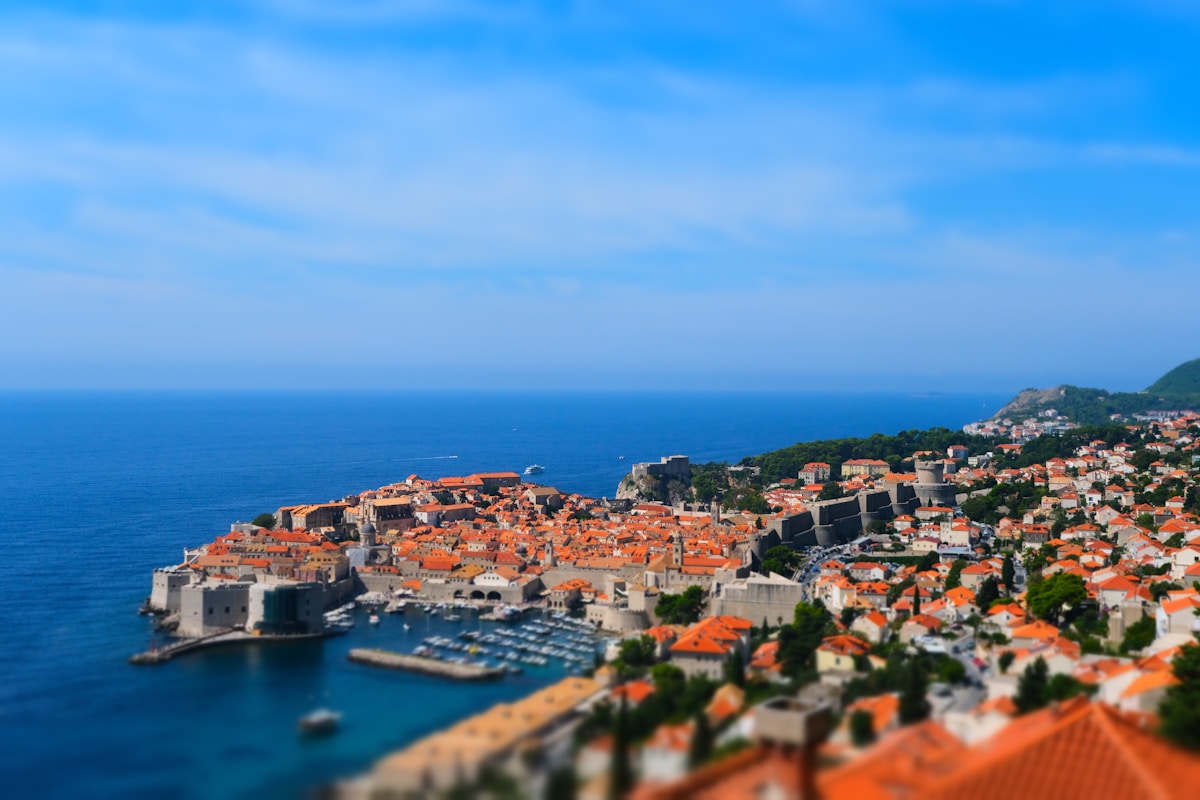
Croatia’s festival calendar runs from May through September, when the Adriatic weather delivers reliably warm nights and the old town venues hit their peak atmosphere. The country hosts everything from a 75-year-old classical arts festival inside Dubrovnik’s city walls to one of Europe’s largest electronic music events on the Split waterfront. Here is what you need to know to plan ahead.
Dubrovnik Summer Festival (July–August)
The Dubrovnik Summer Festival is Croatia’s oldest and most prestigious arts event, running since 1950. For 45 nights from early July to late August, the city’s Stradun promenade, Lovrijenac Fortress, and Rector’s Palace become open-air stages for theatre, opera, ballet, and classical concerts. International and Croatian artists perform — the programme mixes Shakespeare under fortress walls with contemporary dance and local folk performances.
This festival operates at a different pace from the electronic events on this list. Tickets for individual performances range from €15 for smaller concerts to €80 for headline opera nights. The full programme is announced in March and popular performances sell out quickly. If you have a specific show in mind, buy tickets within two weeks of the programme announcement.
Dubrovnik itself is extremely crowded in July and August regardless of the festival. Hotels book out months ahead for peak summer, and prices are the highest in Croatia. If your trip is festival-driven rather than beach-driven, consider staying in nearby Cavtat (30 minutes by boat) and taking the ferry in for evening performances. Tours in Dubrovnik — old town walks, city walls, sea kayaking, and island excursions — fill the afternoons before evening performances.
Ultra Europe — Split (July)
Ultra Europe is one of the biggest electronic music events on the continent, running for three days in mid-July at the Poljud Stadium in Split. The headliners are drawn from the global top tier — Martin Garrix, Hardwell, Fisher, and Eric Prydz have all headlined recent editions. An additional two-day island-hopping event (Regatta) follows immediately after, moving the party onto yachts and island venues.
Ultra Europe tickets sell out within hours of going on sale, often in autumn of the preceding year. The festival officially announces the 2026 lineup in autumn 2025, at which point general tickets go on sale. If you miss the official sale, reseller prices typically climb 40–60% above face value.
Accommodation in Split for Ultra weekend (mid-July) needs to be booked at least three to four months ahead. The stadium is walkable from the old town, which helps, but thousands of visitors arrive for the event. Nearby Trogir or Kaštela can work as a base if Split itself is full. Tours and activities in Split — Diocletian’s Palace walks, Hvar island trips, and sea kayaking — work well around the Ultra programme.
INmusic Festival — Zagreb (June)
INmusic runs for three days in mid-June on Lake Jarun, a recreational lake a few kilometres from Zagreb’s city centre. It is Croatia’s biggest indie and alternative rock festival, with an audience of 60,000–80,000 across the three days. Past headliners include Nick Cave, Nine Inch Nails, Interpol, and The Prodigy.
Zagreb in June is not at peak tourist saturation — accommodation is more available and cheaper than Split or Dubrovnik. Book three to four weeks ahead for a comfortable selection, or one to two months ahead if you want a specific city-centre hotel. The festival campsite on the lake island is a popular alternative. Tours in Zagreb — the Upper Town, Dolac market, and day trips to Plitvice — work well around the INmusic days.
Tickets cost approximately €70–100 for a three-day pass. They go on sale in autumn and early-bird prices are significantly cheaper — if you are planning ahead, buying in October or November saves €20–30.
Sea Star Festival — Umag (May)
Sea Star takes place on the Adriatic coast near Umag in Istria, usually over a long weekend in late May. It is positioned as a warm-up event for the wider European festival season and pulls in a mix of techno, house, and bass music acts. The venue is a campsite festival with beach access.
Late May in Istria is before the summer tourist rush, which means accommodation is more available and noticeably cheaper than the same venues in July. Tickets cost approximately €60–90 for a full weekend pass. Because it is a newer event (launched 2018), it has not yet hit the same demand crunch as Ultra or EXIT — buying tickets two to three months ahead is generally sufficient.
Špancirfest — Varaždin (August)
Špancirfest is a free 10-day street art and performance festival held in Varaždin, a baroque town two hours north of Zagreb, in late August. Street performers, musicians, acrobats, and visual artists take over the town’s historic centre. It is family-friendly, completely free, and one of the most atmospheric events in Croatia outside the main tourist circuit.
Varaždin hotels book out for the festival, particularly the weekend nights. Book at least four to six weeks ahead. The town is easily reachable by direct bus from Zagreb and makes a logical stop on a trip that includes Ljubljana or northern Croatia.
Booking Lead Times at a Glance
| Festival | Dates | Book tickets by | Book accommodation by |
|---|---|---|---|
| Dubrovnik Summer Festival | July–August | 2–3 weeks post programme launch | 3+ months ahead |
| Ultra Europe | Mid-July | November–December prior year | 3–4 months ahead |
| INmusic Festival | Mid-June | Autumn prior year (early-bird) | 3–4 weeks ahead |
| Sea Star Festival | Late May | 2–3 months ahead | 4–6 weeks ahead |
| Špancirfest | Late August | Free — no ticket needed | 4–6 weeks ahead |
Planning Your Festival Trip to Croatia
Split and Dubrovnik are the two destinations that combine well with festivals on the Adriatic coast. Zagreb works well for INmusic and makes a natural entry or exit point for a broader Balkan trip. See our Croatia travel guide for transport, costs, and city-by-city planning including the best base options for each event. Tours and activities across Croatia — from Dubrovnik walls walks to Split island hopping — fill the days between festival programmes. With headline events like Ultra that sell out early and carry no refunds, travel insurance is a sensible addition. An eSIM for the Balkans keeps you connected at every venue without roaming costs.