Albania is on track to receive 12.47 million international visitors in 2026, according to the latest projections - more than three times the 3.67 million recorded in 2014 and a figure that would make it the Mediterranean’s fastest-growing destination by growth rate. The forecast reflects double-digit year-on-year gains in hotel overnight stays and an expanding network of air connections that have made the country accessible from a much wider range of European cities than was possible five years ago.
Growth is broad-based. Visitors from Kosovo account for nearly half of all cross-border arrivals, followed by travellers from Italy, Greece, Germany, and Switzerland - with North American and Gulf visitors increasingly booking further in advance. A liberal visa-free policy covering citizens of more than 100 nationalities, with no online application or advance fee required, has removed the friction that once put Albania below comparable Balkans destinations on many travellers’ shortlists.
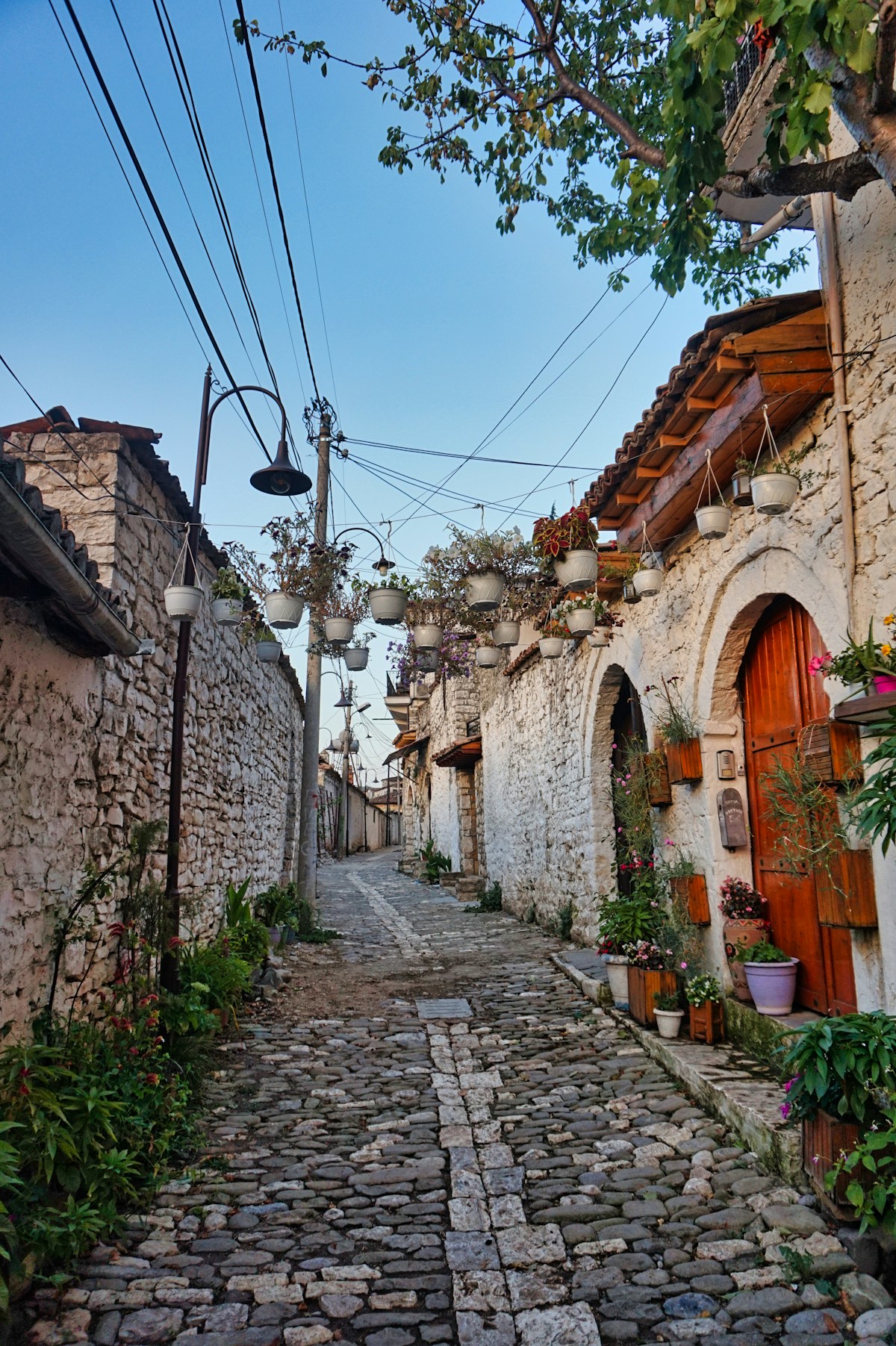
The main beneficiaries on the ground are heritage cities and the Albanian Riviera. Albania’s UNESCO-listed towns - Berat with its layered Ottoman-Byzantine architecture and Gjirokastër with its stone citadel - are drawing growing numbers of cultural travellers who find a functioning community alongside the historic fabric rather than a sanitised tourist circuit. Guided cultural tours of Albania are a practical option for first-time visitors navigating the heritage circuit efficiently. The Riviera’s clifftop villages between Sarandë and Vlorë are booming for summer beach visits, though access roads to some bays remain unpaved and accommodation fills quickly in July and August.
For visitors planning a Balkans circuit, Kosovo pairs naturally with Albania: the Prizren–Kukës border crossing is straightforward, and Prizren’s medieval old town is consistently cited as one of the region’s most rewarding stops. The Albania 7-day itinerary covers a south-to-north route that can be extended into Kosovo without backtracking.
June is one of the better months to visit: water temperatures are warm, beaches are not yet at peak capacity, and accommodation prices have not climbed to August levels. Visitors who have been watching Albania from the sidelines will find fewer reasons to wait.