Booking volumes across the Western Balkans dropped sharply in March and April as rising fuel costs and air traffic uncertainty - largely connected to instability elsewhere in the Mediterranean - prompted cancellations from several European source markets. The data coming in for May tells a different story.
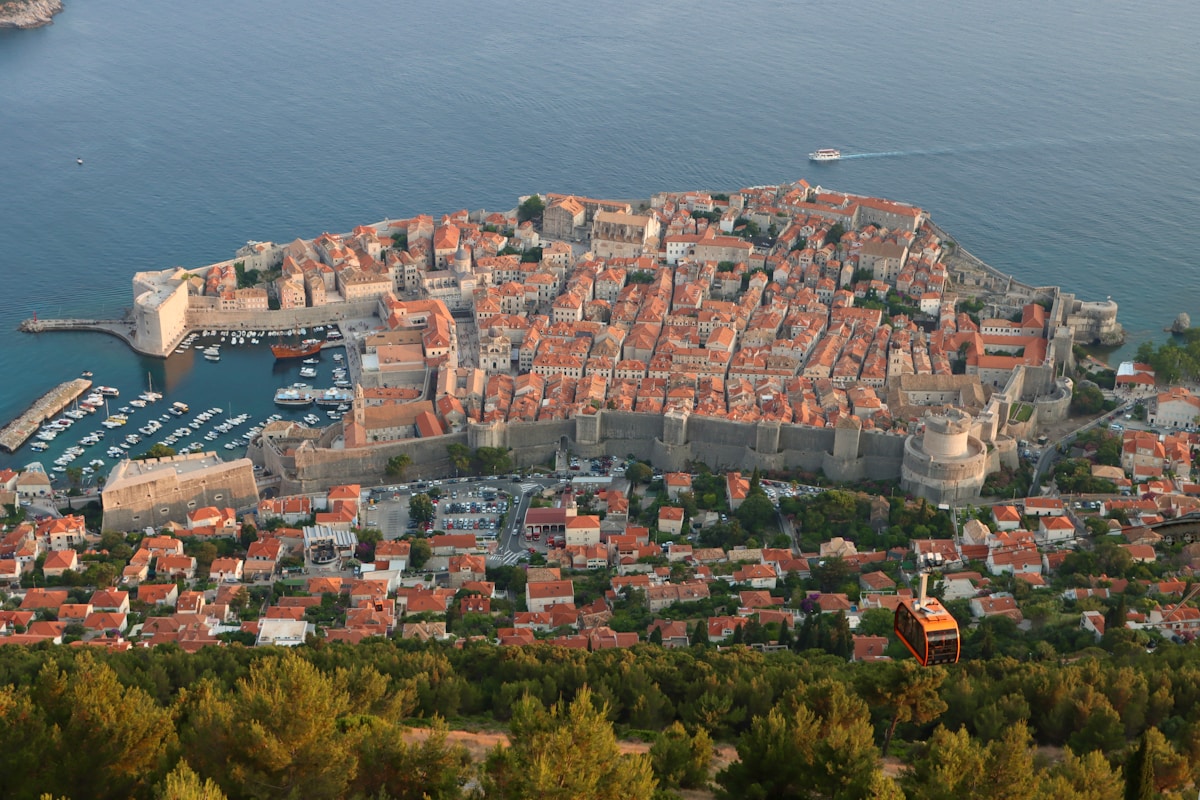
Dubrovnik, the clearest barometer of how Croatia’s coastal season is performing, recorded 231,870 arrivals through 11 May 2026, a one percent increase on the same period in 2025. The United Kingdom remains the top source market, ahead of the United States, France, Poland and Germany. Industry representatives are reporting that May bookings have stabilised, and confidence appears to be returning faster than some operators expected in April.
In Montenegro, carriers have already confirmed more than 14 new summer air routes into Tivat and Podgorica airports, with more than 20 routes projected by peak season. The expansion represents the largest single-season growth in Montenegrin air connectivity in several years.
What changed and why
The spring disruption had two main causes. Elevated jet fuel costs - driven by energy market volatility - fed through into airline surcharges and reduced capacity on some charters. At the same time, general uncertainty around travel patterns in the Mediterranean affected advance booking confidence, with some travellers pausing decisions that they would normally have locked in by February.
Neither factor has eased entirely, but the Balkans have benefited from being perceived as both affordable and removed from the specific areas of concern. The region’s land-based travel infrastructure - bus connections, ferries and the growing rail network - also offers flexibility that purely aviation-dependent destinations don’t have.
Current conditions for travellers
Entry requirements across the region haven’t changed for UK, EU or US passport holders. Dubrovnik and the broader Dalmatian coast are operating normally, as are border crossings between Croatia, Bosnia and Herzegovina, Montenegro and Serbia. The Jadrolinija Split–Ancona ferry, which suspended service until July 2026, remains the one notable disruption for travellers routing between Croatia and Italy by sea - the alternative is to travel via Split to the northern Adriatic or use the Ancona–Zadar connection.
Late May and early June represent one of the better value windows for a Balkans visit. Accommodation in Dubrovnik and Kotor costs noticeably less than the same options in July and August, and key sites - the Old Towns, Plitvice Lakes, the Bay of Kotor - are substantially less crowded before the main summer influx. Booking Dubrovnik tours and Kotor bay excursions early also locks in better pricing before peak-season premiums arrive.
Our guide to reaching the Balkans covers which airports work best for different itineraries across the region, including the newer routes via Belgrade and Tirana that have opened up the interior to more direct access. The Balkans travel costs guide sets out realistic daily budgets across different travel styles and countries.