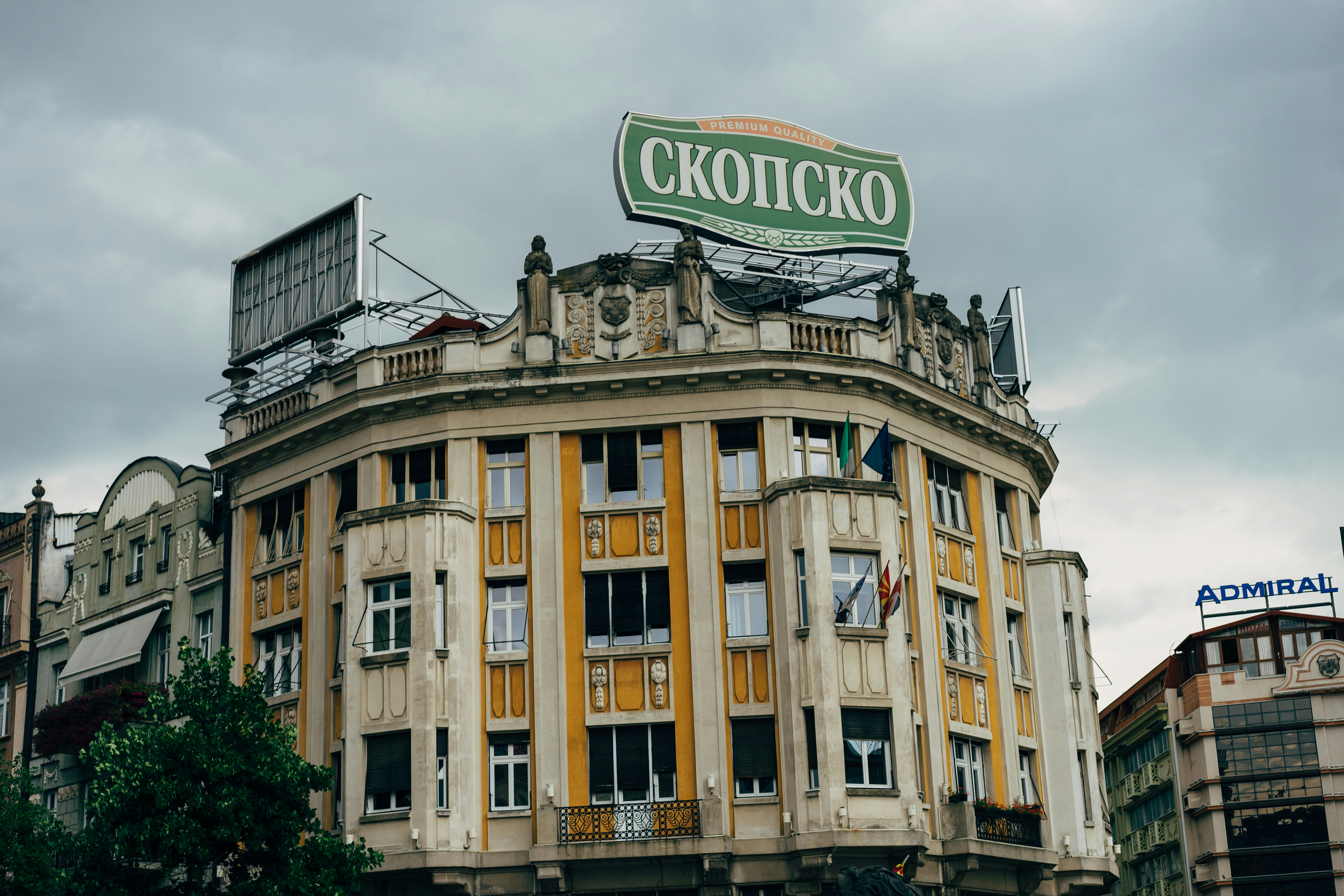
Skopje is a city of contradictions: an ancient Ottoman bazaar sits a few hundred metres from a casino and a neoclassical triumphal arch built in 2014. The food scene is similarly layered — traditional Macedonian cooking rooted in Ottoman and Balkan influences in the old town, neighbourhood grill houses serving the practical daily needs of a city of 500,000, and a newer cafe and restaurant culture in the City Park and newer districts. Prices are low throughout. North Macedonia’s national cuisine is distinctive — heavily influenced by its geographic position between Greece, Serbia, Albania, and Bulgaria — and Skopje is the best city to try it. All prices are approximate as of 2026; North Macedonia uses the Macedonian denar (MKD), approximately 62 MKD = 1 EUR.
What to Eat in Skopje
Tavče Gravče
North Macedonia’s national dish and the most important thing to eat in Skopje. Dried beans soaked and then baked slowly in a clay pot (tavče) with onion, paprika, tomato, and plenty of sunflower oil, until the top develops a rich, caramelised crust and the beans are completely soft inside. Seasoned with dried chili flakes and sometimes topped with fried onion. Eaten as a main dish on its own, often served with bread and a few pickles. Approximately EUR 3-6 at traditional restaurants and gostilnas. One of the great bean dishes of the region.
Pastrmajlija
A Skopje specialty with no real equivalent elsewhere in the Balkans: an oval flatbread (made from a lean, yeasted dough) topped with cured pork cut into small cubes, fat rendered down and absorbed into the bread during baking. The original, traditional version is topped at the end with a raw egg cracked over the hot bread, which semi-sets from the residual heat. The result is salty, fatty, and deeply savoury. Found specifically in Skopje and the Štip region. Approximately EUR 4-7 for a full oval piece, which serves one or two depending on appetite.
Kebapi
The Macedonian version of the grilled sausage eaten throughout the Balkans. In North Macedonia, kebapi tend to be smaller and more finely textured than in Serbia or Bosnia, made from mixed beef and pork, grilled over charcoal and served with onion and flatbread. Found at every grill house and small restaurant in the city. A portion of ten kebapi costs approximately EUR 3-6 depending on the restaurant.
Turli Tava
A mixed meat and vegetable casserole baked in a clay pot: combinations of chicken, beef, and pork with potatoes, peppers, tomato, okra (in summer), and onion, slow-cooked until everything softens and the flavours combine. The Macedonian version is spicier and more tomato-forward than the Serbian equivalent. Approximately EUR 6-10 as a main course. Common at traditional restaurants particularly in winter.
Shopska Salata
The quintessential Balkan salad, claimed by all countries simultaneously but eaten more consistently in North Macedonia than anywhere else. Diced tomato, cucumber, raw pepper, and green onion, topped with a thick layer of grated white cheese (sirenje). Dressed with sunflower oil and a little wine vinegar. No lettuce. Approximately EUR 2-4. Eaten before almost every meal in Skopje.
Macedonian Wine
North Macedonia has a genuine wine industry, particularly in the Tikveš region south of Veles, and the wine is extremely good value. The main red varieties are Vranec (a powerful, tannin-heavy native grape) and Kratošija (the local name for Primitivo). Whites include Smederevka and Žilavka. A glass of local wine at a restaurant costs approximately EUR 1.50-3.50; a bottle costs EUR 8-18. The Tikveš and Bovin wineries are the most available labels in Skopje restaurants.
Where to Eat — Old Bazaar (Stara Čaršija)
Pivnica An (Daut Pasha Amam area, Old Bazaar) — The most atmospheric restaurant in Skopje, occupying a beautifully restored Ottoman han (caravanserai courtyard inn) from the fifteenth century. The courtyard setting — stone arches, vine-covered pergola, fountain — is genuinely stunning. The kitchen serves traditional Macedonian cooking: tavče gravče, grilled meats, turli tava, and seasonal specials. Macedonian wine is well represented. Approximately EUR 10-16 per person for a full dinner. Worth booking in advance for an evening meal; a courtyard table in summer is one of the best dining experiences in North Macedonia.
Kapan An (Old Bazaar, near the Bit Pazar market) — A second restored Ottoman han nearby, similarly atmospheric but slightly less polished than Pivnica An. Good traditional Macedonian food at slightly lower prices. Approximately EUR 8-13 per person. Popular with both visitors and older Skopje residents who remember eating here before the recent renovation.
Old Bazaar street food — Throughout the bazaar, small stalls and window-front shops sell burek, zelnik (pastry with spinach and cheese), roasted sunflower seeds, Turkish-style sweets, and grilled kebapi from open charcoal grills. A full pastry or small kebapi wrap costs approximately EUR 1-3. Morning is the best time for fresh burek; the bazaar food culture is more active from 8am to 2pm.
Where to Eat — City Centre and Beyond
Restoran Dab (Partizanski Odredi bb, City Park area) — A large, well-established restaurant in the Gradski Park area, popular with Skopje families for weekend lunches. Long menu covering Macedonian and Balkan classics: grilled meats, tavče gravče, pastrmajlija, and large mixed salads. Approximately EUR 8-13 per person. Good for groups and families; the portions are generous.
Stara Kukja (Kozle 71, residential north of centre) — “Old House,” a traditional family-run restaurant in a converted house in the residential area north of the city centre. Exceptional home-cooking: stuffed peppers, tavče gravče, roasted lamb in season, and good cold starters. Mostly Macedonian diners. Approximately EUR 7-12 per person. Slightly out of the centre but worth the taxi ride for a genuine neighbourhood experience.
Pelister (Macedonia Square area) — A straightforward Macedonian grill house near the main square, open long hours and serving reliable grilled meats, kebapi, and pastrmajlija. Good for a quick, cheap meal after seeing the city’s various statues and monuments. Approximately EUR 5-9 per person.
Sweets and Coffee
Skopje has a strong baklava tradition inherited from Ottoman confectionery. The best baklava comes from small pastry shops in and around the Old Bazaar — light, properly honey-soaked, and far cheaper than tourist-area versions elsewhere in the Balkans. Approximately EUR 0.50-1 per piece. Turkish coffee (served in small džezva pots) is the default drink in the bazaar area; espresso-style coffee dominates the city centre cafes. A coffee anywhere in Skopje costs approximately EUR 0.80-1.80.
Šećerna Bajka (near Čaršija) — One of the better-regarded dessert shops in Skopje for traditional Macedonian sweets: baklava, tulumba (syrup-soaked fried dough), kadayif, and good ice cream. Approximately EUR 1-3 for a pastry selection.
Practical Notes
Traditional restaurants in Skopje are generally open from noon to midnight. Grill houses and small kebapi spots open from around 7am (for breakfast kebapi and burek) and close at 10pm or 11pm. Most places in the Old Bazaar prefer cash; card acceptance is improving in city-centre restaurants. English menus are available at the main tourist restaurants; less common at neighbourhood spots. Service is generally friendly and unhurried. Tipping 10% is appreciated but not universal.