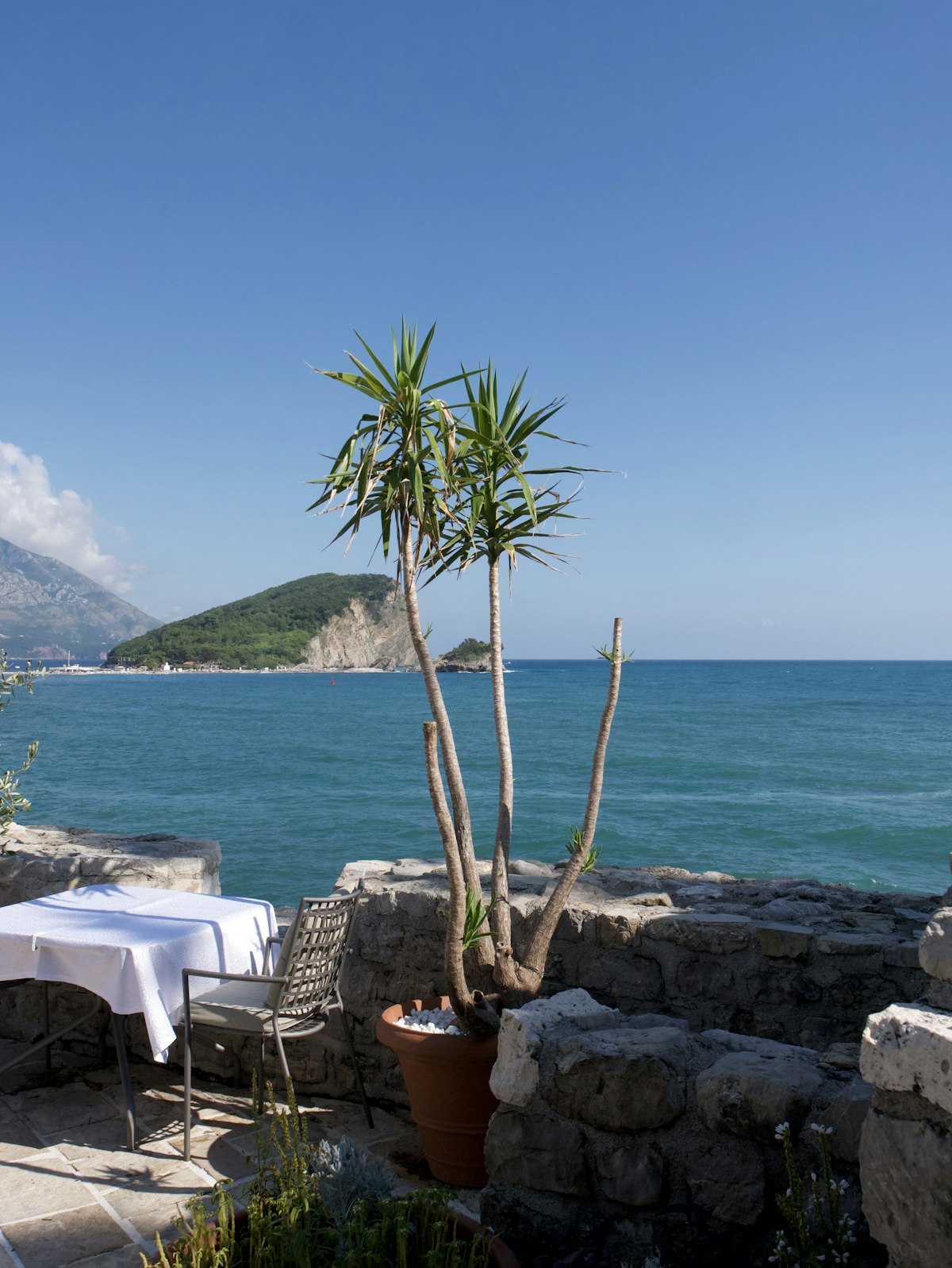
Budva’s food scene is the Montenegrin coastal kitchen: fresh Adriatic fish, grilled meats, Montenegrin cheeses, and local wines from the Crmnica region, all served against a backdrop of medieval walls and the clearest seawater on the eastern Adriatic. The Old Town is small, completely walkable, and concentrated with restaurants ranging from stone-walled konobas to terrace fish restaurants with direct sea views. Prices are higher than elsewhere in Montenegro due to summer tourist demand; in June and September the value improves considerably. All prices are approximate as of 2026; Montenegro uses the euro (EUR).
What to Eat in Budva
Grilled Brancin (Sea Bass)
The fish order at every serious Budva restaurant. Whole brancin grilled over wood or charcoal and brought to the table with a drizzle of quality olive oil, lemon, and a side of blitva (Swiss chard cooked with potato and garlic). The best versions have skin that crisps slightly on the grill and flesh that stays moist. Priced by weight at most restaurants, approximately EUR 5-8 per 100g, so a whole fish for one person costs approximately EUR 15-25. The price difference between a dedicated fish restaurant and a general tourist-facing grill house is significant in both quality and cost; the former is better value.
Dagnje (Mussels)
Montenegrin Adriatic mussels are farmed in the Bay of Kotor and are excellent quality. In Budva they are cooked in several ways: na buzaru (steamed in white wine, garlic, and parsley), with tomato and chilli, or simply steamed with lemon. A large pot as a starter or light main costs approximately EUR 8-14. Fresh, sweet mussels from a restaurant that sources daily from the bay are hard to beat for the price.
Priganice
Montenegro’s signature breakfast and snack food: small, light fried dough fritters made from a simple batter, eaten warm with honey or cheese (sometimes both). Not a restaurant dish but found at bakeries and cafes throughout Budva in the morning. Approximately EUR 2-4 for a generous plate. The version with kajmak cream cheese alongside is the better one.
Where to Eat: Old Town (Stari Grad)
Jadran (ul. Cara Dušana, Old Town, near the citadel) is one of the most established fish restaurants in Budva’s Old Town, with tables on a terrace looking out toward the Adriatic. Grilled brancin, orada, and grilled squid are the core menu. The location and consistency make it the default choice for a proper fish dinner inside the old walls. Expect approximately EUR 20-35 per person with wine. Book for dinner in summer; the terrace tables go fast.
Konoba Stari Grad (Petrovića bb, Old Town) is a traditional konoba tucked inside the medieval walls with a focus on Montenegrin home cooking alongside seafood. Good mixed grills, lamb dishes, and local cheese platters. More relaxed pace than the waterfront fish restaurants. Mains approximately EUR 12-20. A solid choice for those who want meat alongside fish options.
Porto (near the Old Town harbour) has a terrace directly overlooking the small boat harbour at the base of the Old Town walls. The menu is straightforwardly coastal: grilled fish, mussels, grilled squid, pasta with seafood. The setting is the draw; the food is competent rather than exceptional. Approximately EUR 15-25 per person. Good for a sunset dinner.
Where to Eat: Beyond the Old Town
Restaurant One (Slovenska obala, Slovenska beach promenade) is a larger, more contemporary restaurant on the main beach promenade. Good grilled fish and seafood pasta, with comfortable outdoor seating. Slightly more relaxed than Old Town restaurants on busy evenings. Mains approximately EUR 13-22. A good option when the Old Town feels too concentrated with tourists.
Knez (Njegoševa 14, new town) is a Budva institution for grilled meats and Montenegrin cooking. Away from the Old Town and the beach promenade, it draws a more local crowd for lunch and early dinner. Lamb, veal, and mixed grills at prices noticeably lower than the Old Town equivalents. Mains approximately EUR 9-15. Cash preferred.
Restoran Braca Kaluđerović (Jadranski put, north of Old Town) is a long-established local grill house known for roasted lamb and Montenegrin grills. Rustic setting, no views, genuinely excellent meat. Approximately EUR 10-16 per person. The kind of place where Budva residents eat when they want good food without tourist-area prices.
Montenegrin Wine
Montenegro’s wine culture centres on Vranac (the indigenous red grape producing full-bodied, inky reds with good tannins) and Krstač (a local white). The Crmnica region near Skadar Lake and the Plantaže winery outside Podgorica produce the most widely available bottles. A glass of Vranac at a traditional konoba costs approximately EUR 2-4. Local rakija (loza, from grapes) and grape-based spirits are offered as digestifs at most restaurants.
Practical Notes
Budva restaurants in the Old Town are typically open from noon to midnight in summer. Peak dining hours are 7pm to 10pm; Old Town restaurants fill quickly in July and August and reservations are worth making for dinner. Cards are accepted almost everywhere in the tourist areas. Tipping 10% is the norm. English menus are universal. The Old Town becomes quieter after the day-trip crowds leave in the afternoon; the best time to explore the lane restaurants is from 5pm onward. For accommodation options, the where to stay in Budva guide covers the full range from Old Town guesthouses to beach hotels. See also the Montenegro country guide for broader travel planning.