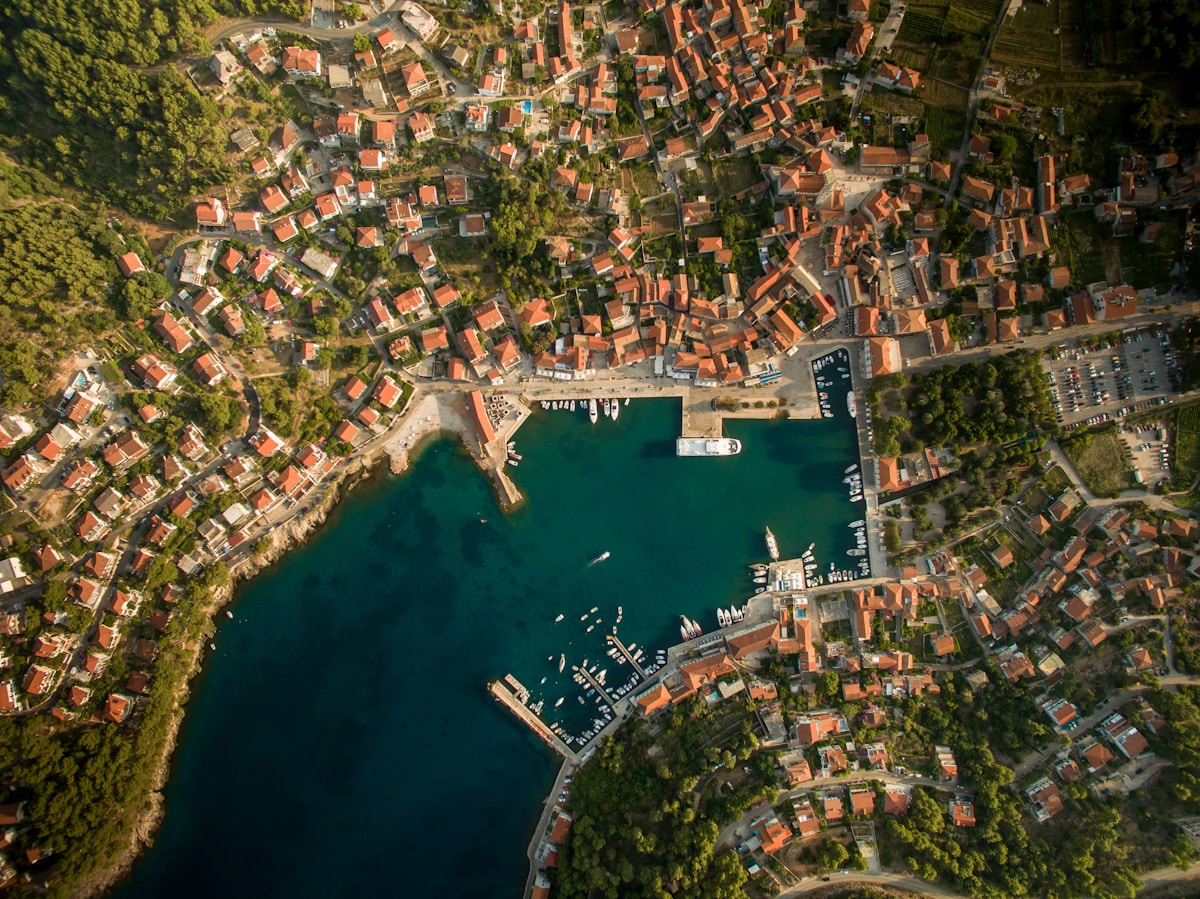
Hvar Travel Guide: Fortress, Lavender Fields & Pakleni Islands
Hvar: Hvar Town fortress, lavender fields, beach clubs, Stari Grad Plain, and Pakleni Islands - the complete guide to Croatia's.
Guides for Hvar: Island Beaches & Nightlife
Hvar is the most fashionable island on the Croatian Adriatic - a long, narrow strip of limestone running parallel to the coast, with lavender fields and vineyards across the interior, a Venetian-era fortified town on the west, and some of the clearest water in the Mediterranean. It’s genuinely beautiful and genuinely crowded in summer. Split is the main ferry departure point; Dubrovnik is reachable by bus in a full day. All prices in euros (€).
Why Hvar stands out
Hvar Town’s setting - a Venetian harbour, a 16th-century fortress on the hill above, the main square flanked by the Cathedral of St. Stephen and the arsenal - makes it one of the most photogenic towns in the Adriatic. The interior of the island is largely unchanged: lavender fields, dry-stone walls, and olive groves between Stari Grad and Jelsa. The Stari Grad Plain (UNESCO, 2008) is a 2,400-year-old Greek agricultural landscape with almost nothing modern visible.
Hvar Town
The main town is the commercial and social heart of the island. The Riva (harbourfront) is lined with café tables; the main square, Trg Sv. Stjepana, is one of the largest piazzas on the Dalmatian coast. The town gets extremely busy in July and August - mornings and early evenings are the most enjoyable times.
Key sights in Hvar Town
Hvar Fortress (Fortica / Španjola) The fortress above the town was built by the Venetians in the 16th century and substantially upgraded after an Ottoman attack in 1571 destroyed much of Hvar. The walk up takes 15–20 minutes; the views over the harbour and the Pakleni Islands are the best on the island.
- Admission: €8
- Open: Daily; long hours in season
Cathedral of St. Stephen On the main square - a Venetian cathedral begun in the 16th century, with a 17th-century bell tower. The interior is modest but calm; the square around it is the centre of town life.
Arsenal and Hvar Theatre The waterfront arsenal building (16th century) housed Venetian galleys on the ground floor; the upper floor became what is claimed to be the first public theatre in Europe (1612). Currently used as a gallery space.
Benedictine Convent A small convent on the hill above the Old Town, run by nuns who have maintained lacemaking traditions since the 15th century. The lace is made from agave threads and is UNESCO-protected. Small museum.
- Admission: €2
Stari Grad
Stari Grad (literally “old town”) is the older of the island’s two main settlements, on the north coast. It’s quieter and less fashionable than Hvar Town, with a more authentic everyday atmosphere. The car ferry from Split arrives here.
Stari Grad Plain: The Greek field divisions visible around the town are unchanged since the 4th century BC - field boundaries, paths, and stone walls laid out by colonists from Paros still define the landscape. Free to walk; orientation panels at the entrance to the plain.
Tvrdalj Palace: A fortified Renaissance summer palace built by Croatian poet Petar Hektorović in the 16th century. The fish pond he installed for self-sufficiency is still there. Admission approximately €3.
The Pakleni Islands
The Pakleni Islands (Paklinski otoci) are a chain of uninhabited and semi-inhabited islands directly west of Hvar Town harbour - reachable in 5–15 minutes by taxi boat from the Riva (€5–10 one way). The best beaches on Hvar are here: Palmižana on Sv. Klement is the most popular, with a restaurant, bar, and clear water. Stipanska and Marinkovac have quieter options.
- Taxi boat: €5–10 per person one way, depending on island
Beaches on the island
- Dubovica: A beautiful small cove on the south coast with a stone cottage, accessible by car then a 10-minute walk. One of the best on the island.
- Zaraće: Near Zavala on the south coast; a cove with a cave bar (Grgur Buba) known for its setting.
- Jagodna beach: A quieter pebble beach near Stari Grad, less touristed.
- Pakleni Islands: See above - the most popular overall choice.
Food and drink
Hvar’s food ranges from expensive harbourfront restaurants (targeted at yacht visitors) to good-value konobas in the villages and interior.
Konoba Menego - a long-established Hvar Town konoba with traditional recipes, wine from local producers, and no pretensions. Often cited as the best local option.
- Mains: €18–28
Nonica - a modern restaurant with a short menu focused on local seafood and Dalmatian wine; good for a special dinner.
- Mains: €22–35
Giaxa - one of the most praised restaurants on the island, with a setting in an old palace. Popular with visitors who want something beyond standard konoba fare.
- Mains: €24–40
Outdoor market (Hvar Town) - for cheaper eating: local cheese (paški sir from nearby Pag, €15–20/kg), smoked ham, lavender products, and seasonal fruit.
Budget option: bakeries and take-away spots near the market and ferry dock serve burek and sandwiches for €3–5.
Where to stay
Getting there
Catamaran from Split: 1 hour to Hvar Town; €18–25 one way. Up to 8 departures daily in season. Book ahead in July–August.
Car ferry from Split: 2 hours to Stari Grad; €30–50 for a car and driver. Foot passengers from €10. Jadrolinija runs the service.
From Trogir: Bus to Split, then ferry - or book a boat tour that includes Hvar.
From Dubrovnik: Catamaran service in season, approximately 3 hours. Timetable varies - check Jadrolinija or Krilo.
Getting around the island
Bus: Hvar Town to Stari Grad takes 20 minutes by local bus; €3. Buses also run to Jelsa. Scooter rental: Available in Hvar Town; €35–50 per day - the easiest way to reach south coast beaches. Car rental: Hire a car in the Balkans - €50–80 per day; advance booking essential in summer. Taxi boat: For Pakleni Islands from Hvar Town.
Practical notes
- Currency: Euro (€)
- Best months: May–June and September - warm water, far fewer crowds, significantly lower prices
- July–August: Very busy; peak accommodation prices; book ferry crossings weeks ahead
- Lavender season: Late June to mid-July - the interior fields are at peak bloom
Hvar guides
See also
- Croatia travel guide
- Split
- Dalmatian Islands
- Trogir
- Croatian coast road trip
- Best beaches in the Balkans
Plan your trip: Browse guided tours of Hvar - speedboat tours from Split to Hvar and the Pakleni Islands are among the most popular on the Dalmatian coast. Pick up a Balkans eSIM for data on arrival, and protect your trip with travel insurance.
Book an experience
Top experiences in Hvar: Island Beaches & Nightlife
Explore the best tours and activities in Hvar: Island Beaches & Nightlife - instant confirmation, free cancellation on most bookings.