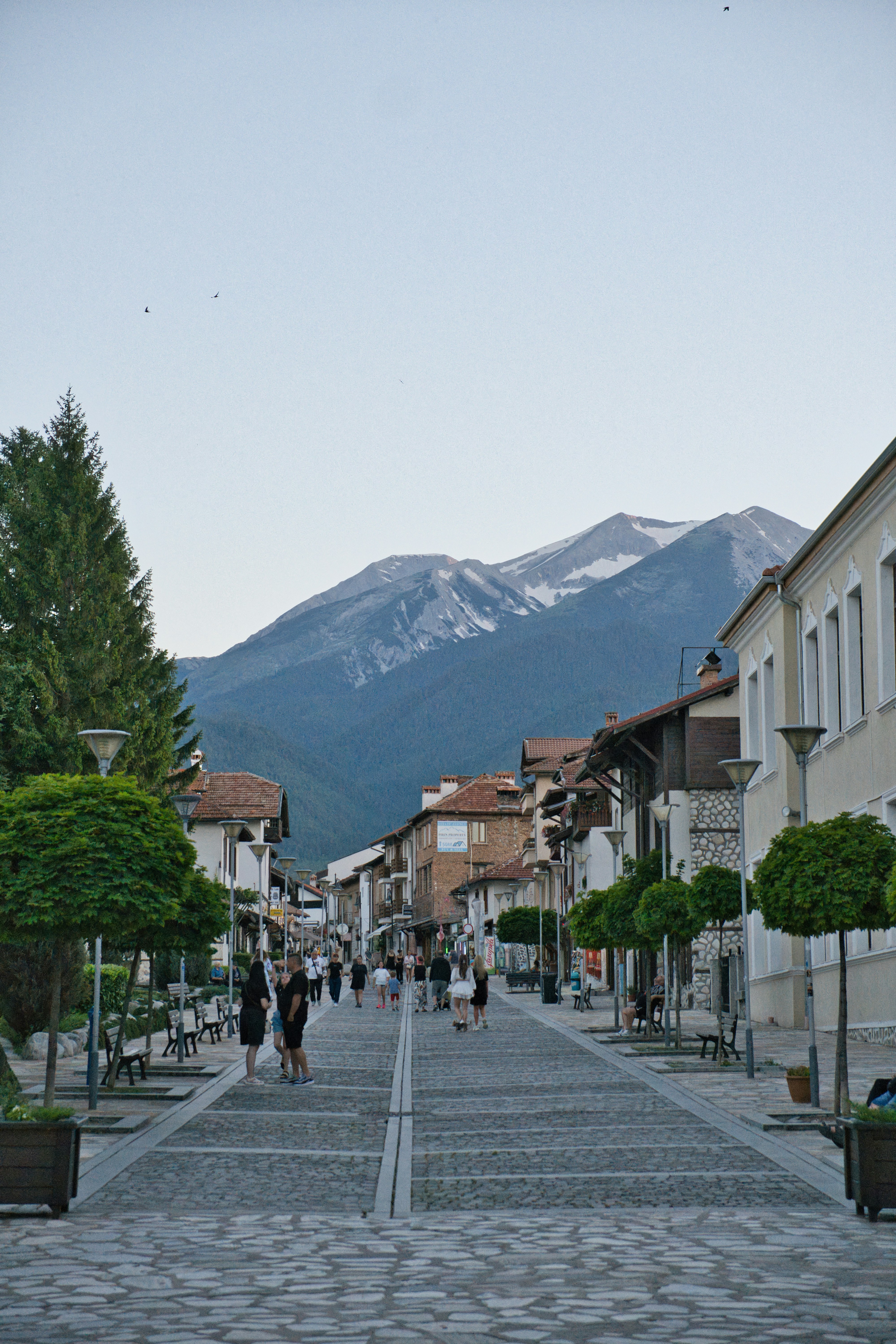
Bansko has two distinct personalities: a ski resort in winter and a Bulgarian mountain town in summer. The restaurants reflect both. The old town mehanas — stone-walled rooms with log fires, clay pots, and live folk music — run all year and are the reason food travellers make the trip. The ski-slope cafés and après-ski bars operate December–April and are a different experience entirely.
The food here is rooted in the Rhodope mountain tradition: slow-cooked lamb, rich clay-pot stews, kachamak (a thick polenta enriched with butter and local cheese), and rakia poured from unlabelled bottles by whoever’s grandfather made it.
Best Mehanas in the Old Town
Mehana Bunderishka Polyana
One of the most consistently recommended mehanas in Bansko’s old town, known for its kavarma, grilled meats, and a wine and rakia list that leans heavily local. The stone walls, wooden furniture, and occasional live folk music make this the archetypal Bansko mehana experience. Approx. BGN 30–45 per person (€15–23).
Mehana Bulgari
A reliable old-town mehana with a strong reputation among repeat visitors. Similar to Bunderishka Polyana in style — clay-pot dishes, grilled meats, shopska salad, and local rakia. Slightly quieter atmosphere than some of the more tourist-facing places. Approx. BGN 25–40 per person.
Mehana Kasapinova Kashta
Set in a restored Revival-period house in the old town, Kasapinova Kashta is considered one of Bansko’s more atmospheric dining spots — the building itself is worth seeing. Good for kavarma, musaka, and the full range of Bulgarian mehana starters. Approx. BGN 25–40 per person.
Mehana Sezoni (Seasons)
A newer-style mehana that appeals to visitors who want traditional Bulgarian food in a slightly less rustic setting. Clean, well-lit, and reliable. Good for families and for those new to Bulgarian food who want clear menu explanations. Approx. BGN 28–40 per person.
Ski-Season and Mountain Restaurants
Bunderishka Polyana Mountain Hut
High on the Pirin slopes, accessible by gondola, Bunderishka Polyana hut operates as a mountain restaurant serving warm soups, grills, and Bulgarian staples to skiers and hikers. The setting — a traditional chalet surrounded by Pirin forest — is hard to beat on a clear winter day. Prices are 20–30% above old-town mehana rates because of the logistics of supplying the mountain.
Slope-Side Restaurants
The main ski area above Bansko has several restaurants and cafés at the base of the gondola and scattered across the upper runs. Quality ranges widely — the ones attached to the larger ski hotels (Kempinski, MPM Guinness) tend to be better. For a mountain lunch between runs, a simple soup and grill costs approximately BGN 20–30 (€10–15).
Modern and International Options
Pizza and International
Bansko has several pizza and international restaurants catering to the international ski crowd. The pedestrian zone and the area around the gondola base have the highest concentration. Quality is variable but serviceable for a quick lunch between runs or a night when you want a break from mehana food.
Hotel Restaurants
Bansko’s larger hotels — including the Kempinski Grand Arena, the biggest in Bulgaria — have full-service restaurants open to non-guests. These are typically the most expensive dining in town but offer a more polished setting for a special dinner. Expect BGN 60–120 per person at Kempinski.
Restaurants by Type
| Type | Best picks |
|---|---|
| Traditional mehana | Mehana Bunderishka Polyana, Bulgari, Kasapinova |
| Modern Bulgarian | Mehana Sezoni |
| Mountain / on the slopes | Bunderishka Polyana hut, slope cafés |
| Special occasion | Kempinski hotel restaurant |
| Quick lunch | Pedestrian zone cafés, slope-side snack bars |
Must-Try Food in Bansko
Kavarma — The dish Bansko is most known for. Slow-cooked pork or chicken in a clay pot with onions, peppers, wine, and spices. Arrives at the table still bubbling. Ask for the version with mushrooms if available — the Pirin forest produces excellent wild mushrooms in season.
Kachamak — A thick polenta enriched with local sirene (white cheese) and butter — a warming mountain staple. Appears on almost every mehana menu.
Rhodope lamb — Slow-roasted mountain lamb from the nearby Rhodope plateau. Sometimes served as a separate dish, more often as part of a mehana platter or kavarma variant.
Banichka — A small savoury pastry filled with sirene cheese or spinach. The standard Bulgarian breakfast food; in Bansko sold warm from bakeries all morning.
Shopska salad — Present on every table, non-negotiable. Order at least one per two people as a starter.
Local rakia — Bulgarian grape or plum brandy. In mehanas, this often comes from the owner’s own production rather than a commercial bottle. Ask what they have homemade.
When to Go for Food
December–March (ski season): The mehanas are at their most atmospheric with wood fires and the après-ski crowd. Reservation essential at weekends and during holiday periods (Christmas, New Year, school holidays).
July–August: Bansko Jazz Festival runs in early August and fills the old town with outdoor concerts and packed mehanas. The summer hiking season means the mountain restaurants are also busy.
Spring and autumn: Quieter, cheaper, and the easiest time to walk into any mehana without a booking.
Practical Tips
- Book mehanas for Friday and Saturday nights year-round; walk-in is usually possible midweek
- Live folk music (often included in the price) is common at the larger mehanas in ski season and summer
- Rakia is typically ordered in 50ml or 100ml measures — a mehana evening often starts with a rakia and ends with one
- Cash is still widely used in old-town mehanas; most now also accept cards
- Prices as of 2026
Plan your trip: Browse skiing, hiking, and activity tours around Bansko for the full Pirin mountain experience. Sort travel insurance before you travel, and grab a Balkans eSIM for data on arrival.