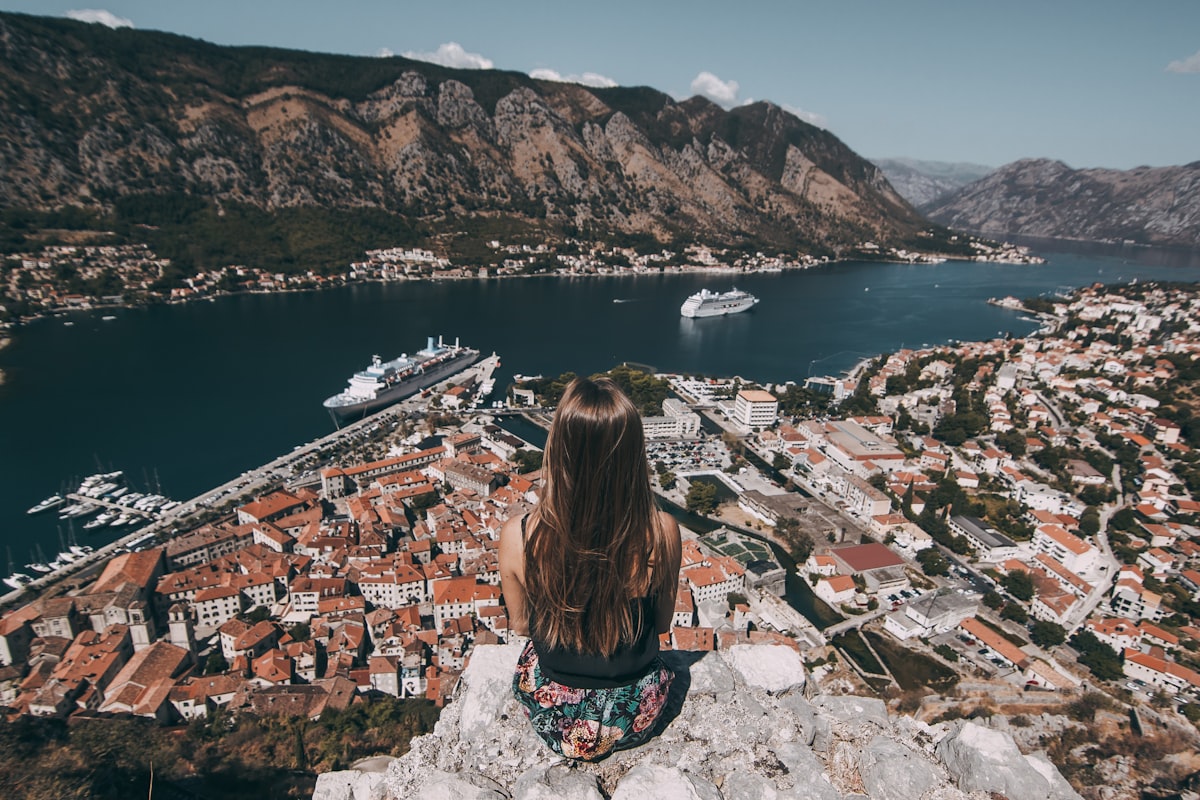
The Balkans works well for solo female travel. Cities are walkable, hostel culture is strong, English is widely spoken in tourist areas, and the region sits well below Western European prices. That said, attitudes toward women travelling alone vary considerably between countries, cities, and generations. This guide gives you an honest read on each country, practical transport and accommodation recommendations, and the cultural context you need to move confidently.
Country-by-Country Safety Overview
Albania
Albania has modernised quickly, and Tirana is genuinely safe for solo women. The capital has a lively bar district around Blloku that’s fine to walk at night. Coastal towns like Sarandë and Shkodër are also relaxed. Rural northern Albania holds more traditional attitudes - staring from older men is common and unwanted but not threatening. Travelling alone in the Albanian Alps is perfectly doable but logistics are rough (limited public transport, cash only); pair up with other travellers at accommodation in Shkodër before heading north.
Bosnia and Herzegovina
Sarajevo is one of the best cities in the Balkans for solo women. It’s walkable, friendly, and has a strong café culture where women spend hours alone without issue. Mostar is tourist-focused and safe, though smaller. Dress modestly when visiting mosques - covered shoulders and knees, headscarf for women entering the main prayer hall. Outside the two main cities, towns like Travnik and Jajce are quiet and safe but accommodation options are thin.
Croatia
The most visited country in the Balkans and the most straightforward for solo travel. Dubrovnik, Split, and Hvar have a strong tourist infrastructure and safety incidents are rare. The main friction is cost - Croatia prices now approach Western European levels in summer. Night buses along the Dalmatian Coast are well-used and safe. Dubrovnik’s old town empties of day-trippers by evening, leaving a quiet, well-lit environment that works well for solo walkers.
Kosovo
Pristina often surprises first-time visitors. The city centre around Mother Teresa Square is lively and safe, with a young population accustomed to international visitors. The country has one of the lowest violent crime rates in the region. Women travelling alone are uncommon in rural Kosovo but not unwelcome - you’ll get curious looks rather than harassment. Prizren is worth the day trip and is similarly relaxed.
Montenegro
Kotor’s Old Town and the Bay of Kotor area are well-touristed and safe. Budva is a party town in summer - fine to navigate but expect approaches on the strip at night. Inland Montenegro (Durmitor, Biogradska Gora) is remote; solo hiking here benefits from telling your accommodation where you’re going and checking in on return. Bar has a functional port town character and is safe but has less to offer solo travellers.
North Macedonia
Skopje’s centre is safe and easy to walk. The Old Bazaar area is active until late and has a mixed local crowd; solo women attract no particular attention there. Ohrid is peaceful and one of the most relaxing stops on the Balkan circuit. Women travelling alone through North Macedonia encounter little hassle.
Serbia
Belgrade has a deserved reputation as one of the most social cities in the Balkans. The walking areas around Knez Mihailova Street and Kalemegdan Park are safe around the clock. The nightlife scene is enormous but clubs use selective door policies - you’ll rarely have trouble getting in alone. Smaller Serbian cities (Novi Sad, Niš, Kragujevac) are safe but more conservative; lower-key behaviour draws less attention.
Slovenia
The safest and most prosperous country in the region. Ljubljana functions like a small Western European capital: excellent public transport, low crime, a strong café culture. Lake Bled is busy with tourists in summer and safe year-round. Solo travel here is completely unremarkable. It’s also the most expensive Balkan destination by some margin.
Hostel Recommendations
Hostels on the main Balkan circuit are genuinely sociable and most have single beds (not just bunks), female-only dorm options, and secure luggage storage.
- Hostel Boogaloo, Belgrade - Central location, female dorms available, known for its rooftop and social atmosphere. Dorm beds from approximately €12–16.
- Hostel Franz Ferdinand, Sarajevo - Central, well-rated for solo travellers, secure lockers. Dorm beds from approximately €14–18.
- Stari Grad Hostel, Mostar - Walking distance to Stari Most. Clean, small, good security. From approximately €14–20.
- Hostel Kotor, Kotor Old Town - Inside the walls, excellent common areas, female dorms available. Dorm beds from approximately €16–22.
- Flying Pig Hostel, Dubrovnik - Set in the hills above the old town, very social crowd, shuttle to old town. From approximately €22–30 (Dubrovnik prices everything higher).
- Hi5 Hostel, Ljubljana - Well-run, central, popular with solo travellers. Dorm beds from approximately €20–26.
- Lotus Hostel, Skopje - Good security, female dorms on request. From approximately €10–14.
- Migjeni Hostel, Tirana - Social, centrally located near Blloku, solo-female-friendly. From approximately €12–16.
Book ahead in July and August - popular hostels on the circuit sell out weeks in advance.
Transport Tips for Solo Women
Buses are the main intercity transport across the Balkans, and are generally safe. Day services are better lit and more populated; night buses do run (Belgrade–Sarajevo, Sarajevo–Dubrovnik, Belgrade–Skopje) and are fine if you take a window seat and keep your bag on the rack above you rather than in the hold when possible.
Shared taxis (furgons) operate in Albania and Kosovo - a minivan-style collective taxi that departs when full. They’re legitimate transport but can involve close quarters with strangers for 1–3 hours. Keep your bag with you, agree the price before boarding, and use them in daylight hours for first-time routes.
Ride apps: Bolt and Yandex Go operate in Belgrade, Skopje, Tirana, and Sarajevo. Always use the app rather than hailing a taxi on the street - it gives you a fixed price, driver name, and trip tracking. In Croatia, Uber operates in Zagreb and Split.
Ferries on the Dalmatian Coast (Split–Hvar–Korčula–Dubrovnik) are run by Jadrolinija and are entirely safe; book cabins in advance for overnight routes.
See our full Balkans transport guide for routes, prices, and booking links.
Cultural Considerations
Bosnia and Kosovo have significant Muslim populations and religious sites require modest dress: covered shoulders, knees covered, remove shoes before entering. This is straightforward - carry a light scarf. Most mosques sell or lend coverings at the door. Outside mosque areas, ordinary European dress is fine in cities.
Rural vs urban attitudes: In cities across the region, solo women attract no particular attention. In rural areas - northern Albania, inland Serbia, parts of rural Bosnia - older generations hold more traditional views on women travelling alone. This rarely manifests as anything beyond staring or unsolicited questions about why you’re alone. Responding calmly (“I’m meeting friends in the next town”) satisfies most curiosity.
Eye contact and directness: In some parts of the Balkans, sustained eye contact from a woman can be read as invitation. This doesn’t mean avoiding eye contact entirely - use your judgement as you would anywhere.
Night culture: Belgrade, Sarajevo, and Tirana have active late-night bar scenes where local women are present and comfortable. In smaller towns, bars are more male-dominated after midnight.
Best Cities for Solo Female Travellers
Sarajevo tops the list: compact, walkable, exceptionally friendly, with a strong café culture and highly social hostel scene. The mixed Austro-Hungarian and Ottoman heritage makes it one of the most visually interesting stops in Europe.
Belgrade for social travel - the city actively rewards solo visitors with its nightlife, food scene, and willingness to start a conversation.
Ljubljana for comfort and ease - smallest capital on the circuit, highest safety standards, extremely walkable, with a riverside café strip that feels made for solo evenings.
Kotor for scenery - the Old Town is enclosed by medieval walls, easy to navigate, and backed by one of Europe’s most dramatic bays. The fortress hike (above the town) is popular with solo travellers.
Skopje and Ohrid in North Macedonia are underrated: affordable, genuinely safe, and less crowded than the Croatian and Montenegrin coasts.
Practical Safety Tips
Travel insurance is non-negotiable for solo travel anywhere, and the Balkans is no exception. EHIC/GHIC cards cover EU countries (Croatia, Slovenia) but not Albania, Kosovo, Bosnia, North Macedonia, or Serbia. Get a policy with medical evacuation coverage - travel insurance for the Balkans covers all countries in this guide. See our Balkans travel insurance guide for additional policy comparisons.
Embassy registration: Register your trip with your country’s foreign ministry travel advisory system (UK: FCDO travel registration; US: STEP program; Australia: Smartraveller). Takes five minutes and means officials can contact you in an emergency.
Apps to have: Bolt (ride-hailing), Maps.me or OsmAnd (offline maps), Google Translate (camera mode handles Cyrillic in Serbia), and WhatsApp for hostel group chats.
Solo check-in habit: Tell your hostel front desk where you’re going for day trips, particularly for hikes or remote sites. Most will have a list of recommended routes and can advise on current conditions.
Emergency numbers: 112 works across the entire region as a pan-European emergency number, including non-EU countries.
Common Scams to Watch For
Taxi overcharging at major transport hubs (Dubrovnik airport, Belgrade airport, Sarajevo airport) - use Bolt or agree on a metered price before getting in.
“Free” drinks in Belgrade clubs - some venues approach solo tourists with a round of drinks that later appear on the bill at inflated prices. Only accept drinks you’ve ordered yourself or from people you’ve been sitting with for a while.
Currency confusion in Albania and Kosovo: Albania uses the Lek, Kosovo uses the Euro. Unofficial exchange desks near borders sometimes give short change on Lek conversions. Use ATMs (Raiffeisen and BKT in Albania are reliable) and decline street exchange offers.
Fake police in tourist areas of larger cities - plain-clothes individuals claiming to be police who ask to inspect your passport and wallet. Real police carry visible ID; ask to see it and offer to go to a station if there’s an issue.
Daily Budget
For a realistic breakdown see our Balkans travel costs guide. As a summary for solo female travellers:
| Country | Budget (dorm + meals + local transport) | Mid-range (private room + restaurants) |
|---|---|---|
| Albania | €20–30/day | €45–65/day |
| Kosovo | €22–32/day | €45–60/day |
| North Macedonia | €22–32/day | €45–65/day |
| Bosnia | €28–38/day | €55–75/day |
| Serbia | €30–45/day | €60–85/day |
| Montenegro | €35–50/day | €70–100/day |
| Croatia | €45–65/day | €90–130/day |
| Slovenia | €50–70/day | €100–140/day |
Solo travellers often pay a single supplement for private accommodation - hostels eliminate this and the social payoff is real on a solo trip. Factor in one organised tour or activity per destination (from approximately €25–50) as a reliable way to meet other travellers. Browse Balkans tours and activities to find group options across the circuit.
For general solo travel planning beyond the women-specific tips here, see our solo travel in the Balkans guide.