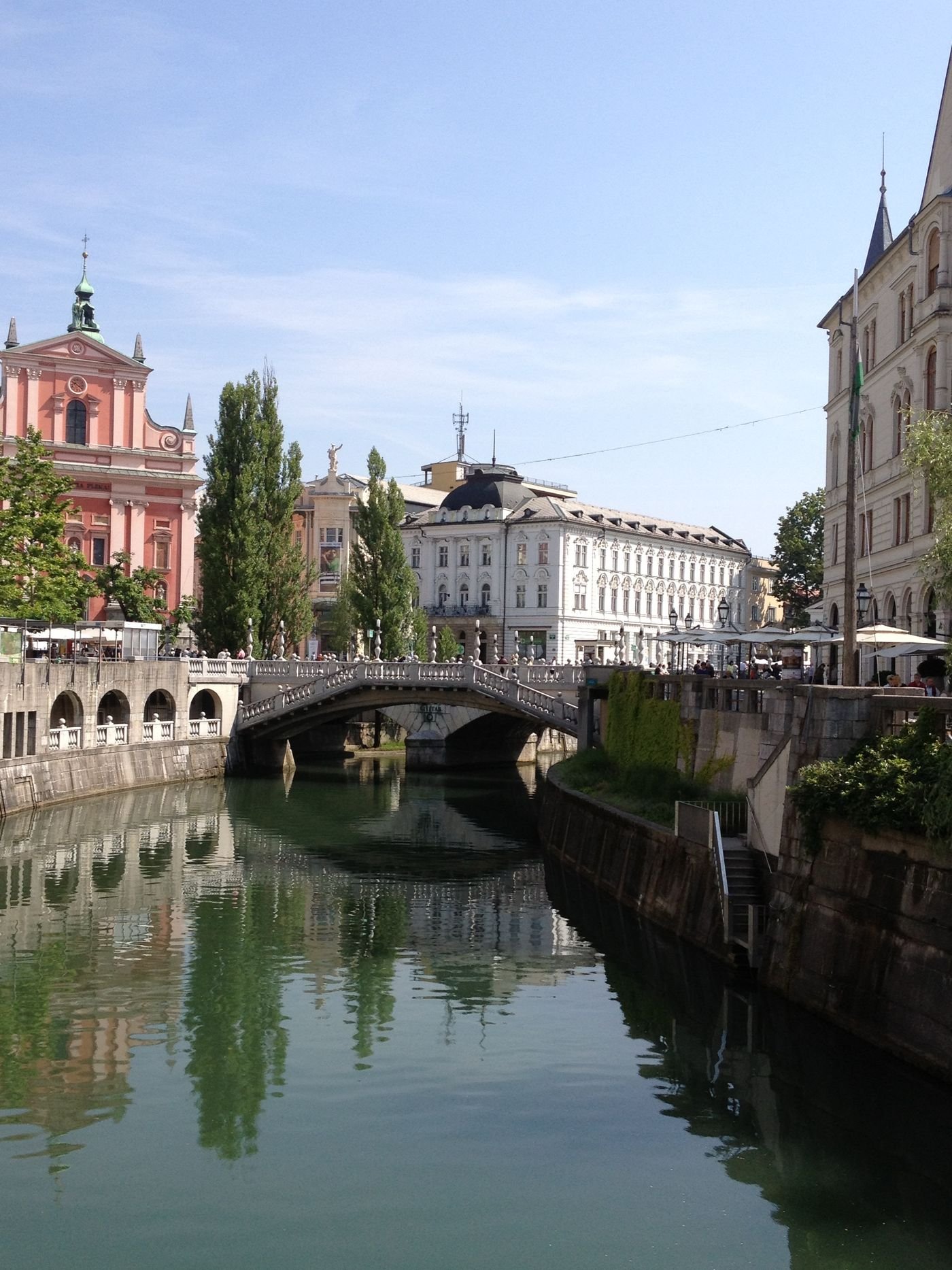
Slovenia is one of the safest countries in Europe. Crime is low, public services are reliable, and the main risks for visitors come from outdoor activity rather than from people. This guide covers the details, including what to watch in the mountains. For the broader region see our Balkans safety guide.
Quick safety summary
| Risk | Level | What to do |
|---|---|---|
| Violent crime | Very low | Normal awareness |
| Petty theft | Low | Watch bags in Ljubljana and Bled in summer |
| Mountain accidents | The main real risk | Check weather, carry gear, consider a guide |
| Road safety | Low to moderate | Buy the e-vignette, take care on mountain roads |
| Ticks | Seasonal | Cover up and check after hikes |
| Wildlife | Low | Keep distance from bears |
Crime and scams
Ljubljana is calm and walkable at night. Occasional pickpocketing happens in tourist areas such as Prešeren Square, the Old Town and Bled’s lakeside in July and August. Scams are rare. Keep bags zipped and watch phones on terraces. If you prefer organised company, Ljubljana tours cover the castle and Old Town with local guides.
Mountains and outdoor activities
Most serious incidents involve hiking, climbing, canyoning and winter sports. Triglav and other high peaks need fitness, experience and good weather, and some routes are secured with cables, so use a helmet and harness and consider a local guide. Thunderstorms form quickly on summer afternoons, so start early. Check mountain hut opening times and conditions before you go. Rafting and canyoning in the Soča Valley are run by licensed operators, and safety briefings are thorough. In winter, avalanche risk applies off-piste.
Driving
Roads are good, and motorways are fast, but require an electronic vignette bought in advance (check the official tourism or motorway sources). Mountain roads, such as those near Vršič Pass, are steep and may close in winter. Winter tyres are required in the cold season. Speed limits are enforced, and alcohol limits are strict.
Wildlife, ticks and nature
Ticks can carry Lyme disease and tick-borne encephalitis, so wear long trousers in tall grass and check your body after walks. Brown bears live in southern forests but avoid people. Never feed them, and keep food secure when camping.
Solo, female and LGBTQ+ travellers
Slovenia is welcoming to all travellers. Solo hostels in Ljubljana are social, and LGBTQ+ visitors will find it among the more relaxed countries in the region, particularly in Ljubljana.
Health and emergencies
Healthcare is high quality. EU citizens can use the EHIC or GHIC, but travel insurance is still sensible, since mountain rescue and activity cover can be costly. Tap water is safe. The emergency number is 112.
Check the UK government’s Slovenia travel advice before you go, and plan seasons with best time to visit Slovenia.