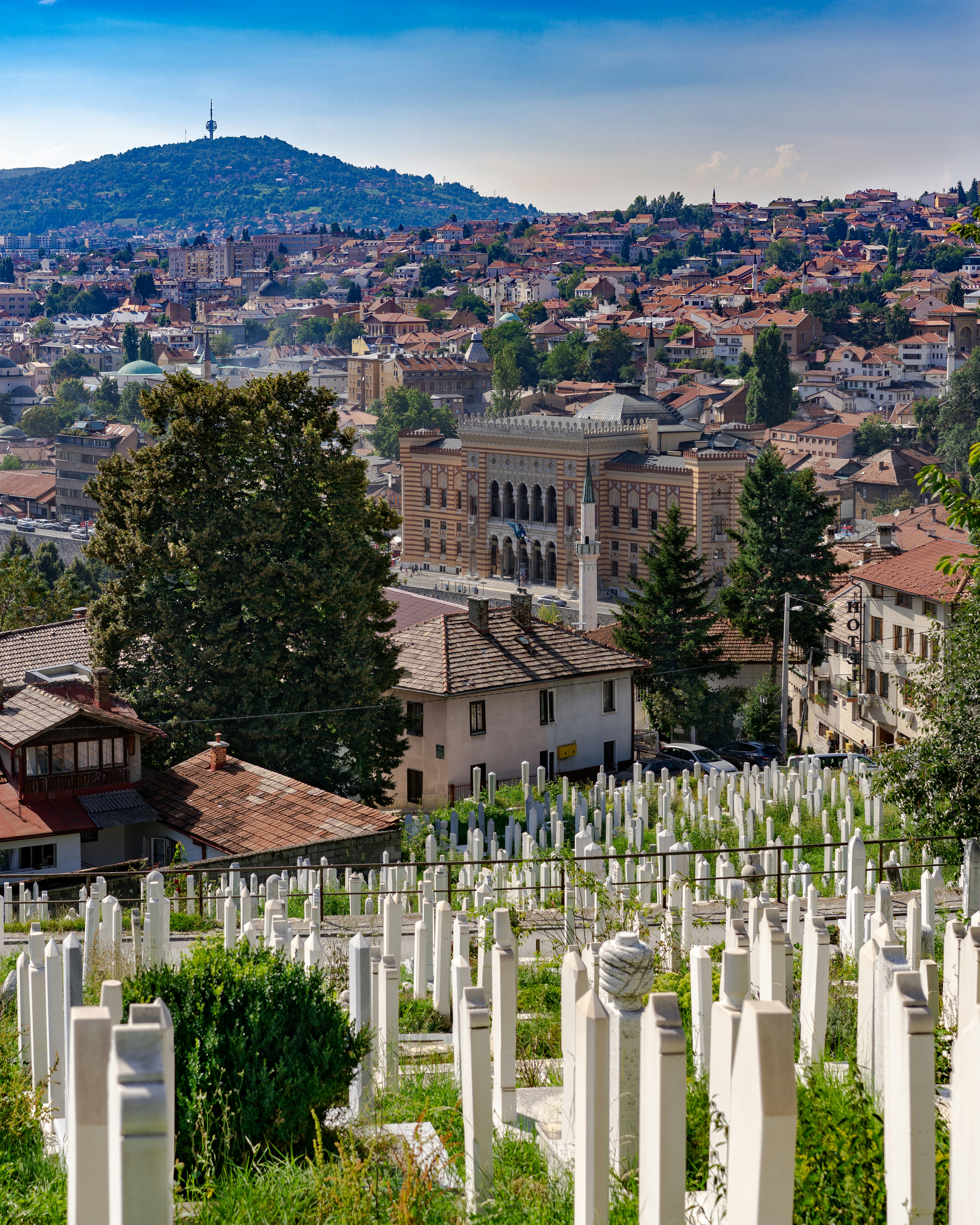
Sarajevo has been continuously inhabited for over 500 years, but it is the siege of 1992–1995 - the longest siege of a capital city in the history of modern warfare - that shapes much of what visitors seek to understand today. Around 11,000 people were killed during the siege, including approximately 1,500 children. The city’s war history is not a distant past: the people who lived through it are still here, and many of the sites are run or guided by survivors and their families.
This is not a comfortable topic for a travel article. It is treated here as it deserves: seriously, with named facts, and with the recognition that these sites exist because survivors want the world to know what happened.
The Tunnel of Hope (Tunel Spase)
The Tunnel of Hope is the single most important physical remnant of the siege experience. During the 1992–1995 blockade, the Bosnian government and civilian population had no supply route into the city - the UN-controlled Sarajevo airport sat between the city and Bosnian-held territory. Between March and June 1993, engineers dug an 800-metre tunnel beneath the airport runway by hand, with picks and shovels. At its narrowest, the tunnel was 1 metre wide and 1.6 metres tall.
Through this tunnel flowed food, weapons, humanitarian aid and people - an estimated 12,000 people used it daily at peak periods. It was the only route out for the wounded and the only route in for supplies.
The tunnel’s entrance was hidden in the basement of the Kolar family home in the Butmir neighbourhood. Today the Kolar family runs the museum. The site includes:
- The preserved 25-metre section of the original tunnel open to the public (the remainder collapsed and was not restored)
- A documentary film (approximately 20 minutes) showing footage from inside the tunnel during the war
- The museum building with photographs, personal objects, and weapons used during the siege
- The original wooden entrance hatch in the basement floor
Entry costs approximately 10 BAM (approximately €5) as of 2026. The site is open daily; hours run approximately 09:00–17:00 in winter and 09:00–20:00 in summer - confirm on arrival as family-run hours can vary.
Getting there: The Kolar house is in Butmir, near the airport, about 6 km from the old town. Options include taxi (approximately 15–20 BAM each way from the centre), the number 3 tram to Ilidža then taxi, or inclusion in an organised tour. The address is Tuneli 1, Butmir. Most organised half-day Sarajevo tours include this site.
The War Childhood Museum
Opened in 2017 by author Jovan Divjak and based on the 2017 book of the same name by Haris Pašović - himself a Sarajevo-born man who was a child during the siege - the War Childhood Museum collects small personal objects and handwritten testimonies from 50 people who were children during the 1992–1995 siege. Each exhibit is a single object: a shoe, a can opener, a textbook, a pair of winter gloves. Each has a story.
The methodology is deliberately intimate. Instead of grand historical narrative, the museum asks: what was childhood in a city under siege? The objects and the testimonies beside them answer that question in a way that no documentary footage can.
Entry is approximately 7 BAM (approximately €3.50) as of 2026. The museum is at Logavina 32, a short walk from Baščaršija. Open Tuesday–Sunday approximately 10:00–18:00; closed Monday. Audio guides in English are available. The museum won the Council of Europe Museum Prize in 2018.
Sniper Alley and the Siege Memorial Network
Sniper Alley - the informal name for Zmaja od Bosne boulevard and sections of Ulica Maršala Tita - was the main arterial road running through Sarajevo. During the siege, Serbian Army snipers positioned in the surrounding hills held unobstructed views down this straight urban corridor. Civilians crossing it risked being shot. UNPROFOR (UN Protection Force) armoured vehicles were sometimes used as shields.
You can walk these streets today as a modern European boulevard. The disconnect between the ordinary present and the documented past is itself part of understanding what happened. Several siege-era reminders remain:
- Sarajevo Roses: irregular starburst craters in the pavement left by mortar impacts, filled with red resin to mark spots where people were killed. The most visible ones are around the Markale market and along the old town streets. Not all have been preserved - some were repaved.
- The Holiday Inn: the yellow hotel at the edge of Sniper Alley was the operational base for foreign journalists during the siege. It still operates as a hotel (from approximately €60–90/night as of 2026) and the lobby has changed little since 1995.
- Gazi Husrev-beg Mosque area: the mosque itself (entry approximately 2 BAM) has shrapnel marks on the exterior walls.
A 90-minute walking tour covering siege sites in the old town costs approximately 20–30 BAM per person (€10–15) through operators such as Sarajevo Insider Tours and Bill and Batica’s Tours - both are regularly cited in current reviews. Private guide rates for a half-day siege history walk run approximately 60–90 BAM (€30–45) as of 2026.
The Srebrenica–Potočari Memorial
The Srebrenica massacre of July 1995 - in which approximately 8,000 Bosniak Muslim men and boys were killed by units of the Army of Republika Srpska in a matter of days - is classified as genocide by the International Court of Justice and the International Criminal Tribunal for the former Yugoslavia.
The Srebrenica–Potočari Memorial and Cemetery is 120 km east of Sarajevo, in the town where the UN “safe zone” was located. The site includes:
- The memorial hall (former UN battery factory building) with an exhibition on the events of July 1995
- The cemetery of white stone grave markers - over 8,000 are buried here; identified victims continue to be interred as DNA identification work progresses
- The Dutch Battalion memorial marking the position of UN forces during the events
Opening hours are approximately 09:00–17:00 daily. Entry to the memorial is free; donations support the ongoing identification work. The anniversary commemoration each July 11 draws thousands of attendees.
Organised Srebrenica day trips from Sarajevo cost approximately 60–90 BAM per person (€30–45) including transport and an English-speaking guide. Sarajevo Discovery, Sarajevo Walking Tours and Green Visions all run this route. Expect a full day: the drive is approximately 2 hours each way. Driving independently is straightforward but a guide’s contextual explanation of the events and the site is worth the additional cost for most visitors.
Mostar as a day trip
Mostar is 130 km south-west of Sarajevo. The Stari Most (Old Bridge) was destroyed by Croat forces in November 1993 and rebuilt by 2004; it is now UNESCO-listed. The bridge and the adjacent Kujundžiluk bazaar tell a parallel story to Sarajevo’s - a siege and reconstruction within the same 1990s conflict.
Day trips from Sarajevo to Mostar run approximately 4–5 hours by bus (approximately 25–35 BAM each way, several companies), or 2.5 hours by car. Organised tours combining Mostar with a Kravice Waterfalls stop cost approximately 50–80 BAM per person from Sarajevo operators.
Practical notes
The Historical Museum of Bosnia and Herzegovina (Zmaja od Bosne 5, next to the Holiday Inn) has a permanent siege exhibition on the ground floor. Entry is approximately 3 BAM. The original items - civilian ration books, improvised stoves, siege-era Sarajevo newspaper front pages - provide detailed context for the city’s overall narrative.
The Galerija 11/07/95 in Sarajevo’s city centre (Trg Fra Grge Martića 2) is a photography gallery documenting the Srebrenica events through large-format photographs and video testimonies. Entry approximately 5 BAM. Open Monday–Friday 10:00–18:00, Saturday 10:00–14:00.
When visiting memorial sites, dress codes are not enforced but modest clothing (covered shoulders at mosques) is appropriate. Photography at the Srebrenica cemetery is permitted but discretion is expected: photographing grave markers is acceptable; photographing grieving family members is not.
See also
- Bosnia and Herzegovina travel guide
- Sarajevo travel guide
- Things to do in Sarajevo
- Mostar travel guide
- Balkans safety guide
- Planning a Balkans trip
Plan your trip: Book a guided history tour of Sarajevo - local guides provide essential context that audio guides can’t match.