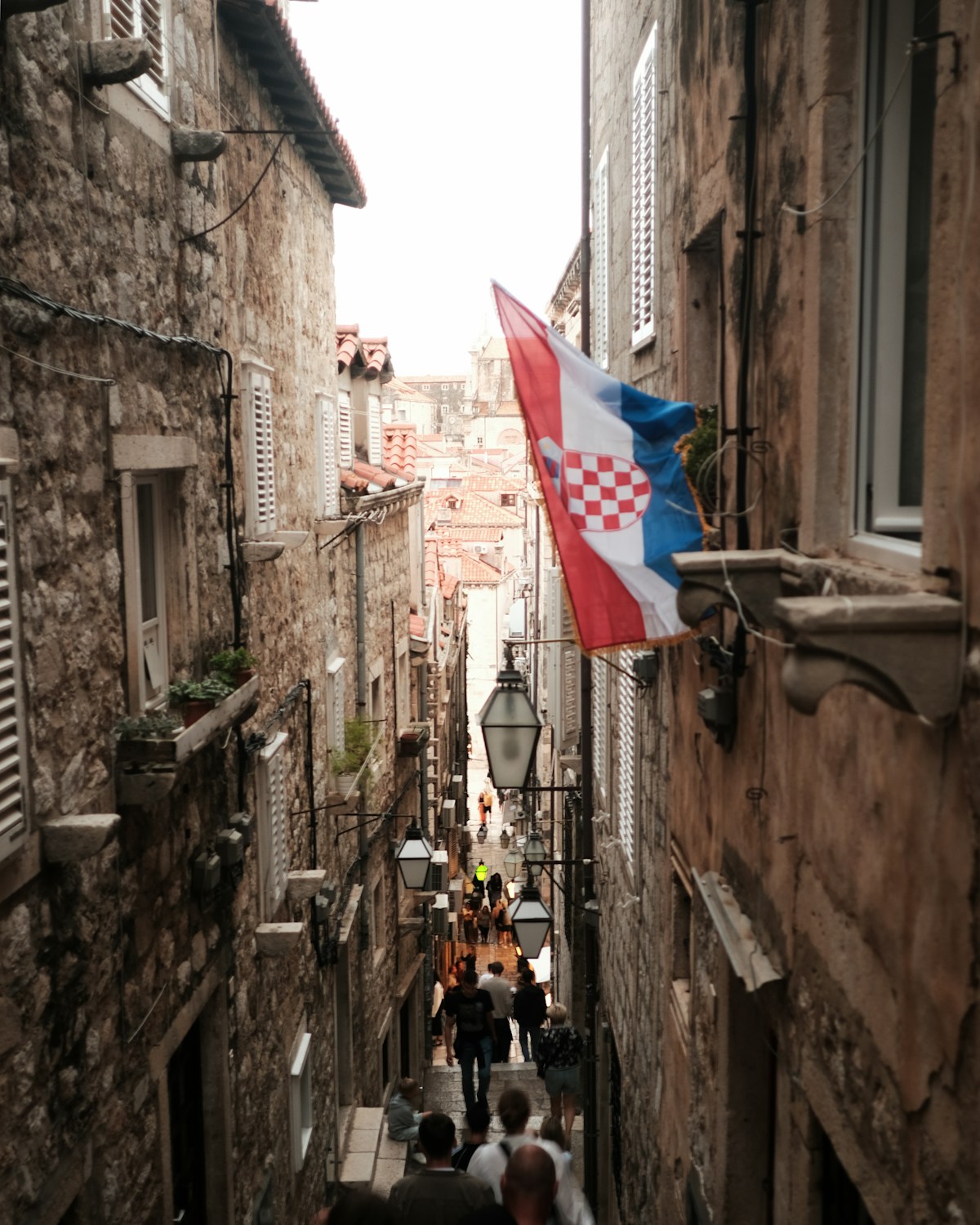
Dubrovnik’s food identity runs deeper than the tourist-facing restaurants around Stradun. The city’s cooking is Dalmatian in character - defined by olive oil, seafood, and slow techniques that pre-date any tourist trade - and the best of it survives in konobe outside the walls, in the fish stalls at Gruž Market, and in the vineyards and oyster beds of the Pelješac peninsula to the north.
A guided food tour gets you into these places with context. Below is a breakdown of what’s available in 2026, who runs the best tours, and what to expect from each.
Dubrovnik Food Tours: Quick Comparison
Four verified options on GetYourGuide, ranging from a focused 3-hour walk to a full-day wine excursion:
| Tour | Duration | Group | Price | Highlights | Book |
|---|---|---|---|---|---|
| Old Town Food Tour | 3.5 hours | Small group | From ~€145/person | 8 tastings, local guide, all food included | Book |
| Authentic 8 Dishes Food Tour | 3.5 hours | Small group | From ~€128/person | 8 local dishes, hidden alleys, family konoba stops | Book |
| 3-Hour Food and Wine Tour | 3 hours | Small group | From ~€130/person | 10 tastings, 3 local wines, liqueur, dessert | Book |
| Pelješac Full-Day Wine & Food Tour | Full day | Small group | From ~€110/person | Family wineries, Dingač tasting, oysters, konoba lunch | Book |
Which to choose: For a focused culinary experience in the Old Town, the 8 Dishes tour has a slight edge on value. If wine is your priority, the 3-Hour Food and Wine tour packs in more variety at a similar price. The Pelješac day tour is the standout option for anyone who wants to leave the city — it combines Croatia’s best red wine region with Mali Ston oysters and a proper konoba lunch.
Prices as of 2026 — check links above for current availability.
What to Expect from a Dubrovnik Food Tour
The core of most Dubrovnik food tours is a structured walk through the Old Town with stops at market stalls, delis, and konobe, plus the option to extend to the Gruž harbour market or add a wine component. Tastings are usually included in the ticket price - you’re not paying separately for each stop. Groups tend to run 8–14 people in the organised format; private tours are available from most operators at a premium.
Typical inclusions across most tours: olive oil and local bread, prstaci (date mussels, or a sustainable alternative given harvesting restrictions), black risotto (cuttlefish ink), Dalmatian prosciutto from the Konavle valley, sheep’s cheese from the Dalmatian hinterland, a peka-cured meat or slow-baked dish, and at least one glass of local wine - usually a Dingač or Pošip from Pelješac.
Timing matters. Most tours start at 10:00am or 4:00pm to avoid the midday heat and cruise-ship rush.
Dubrovnik Food Tours
Dubrovnik Food Tours (dubrovnikfoodtours.com) runs what is broadly considered the best-structured food walk in the city. Their signature market-to-table tour begins at Gruž Market, where you’ll walk the stalls with a guide who knows the vendors personally, then moves into the Old Town for tastings at selected konobe. The tour covers approximately 8 tastings across 3.5 hours, priced at approximately €85 per person as of 2026. That price includes all food, one glass of wine, and a small recipe card with the peka recipe. Private tours for groups of up to 6 are available at approximately €350 for the group.
Their oyster and wine add-on - an extra hour by boat to the Mali Ston oyster beds - is available as an extension on request, priced at approximately €120 per person combined with the main tour.
Urban Adventures Dubrovnik (urbanadventures.com), part of the Intrepid Travel group, offers a broader city immersion that includes food as a central thread but adds neighbourhood history and architecture. Their Dubrovnik food tour runs approximately €70–90 per person for a 3.5-hour session, typically capped at 12 participants. This works better for travellers who want food culture embedded in a wider orientation to the city, rather than a deep culinary focus.
GetYourGuide listings for Dubrovnik cover a range of options from local operators, including private cooking classes (approximately €80–120 per person), wine-focused experiences, and combined boat-and-tasting tours. Filtering by rating and reading the itinerary detail is worthwhile - quality varies more in the GetYourGuide marketplace than it does with the specialist operators above.
Gruž Market: The Starting Point Worth Knowing
Gruž Market (Tržnica Gruž) sits at the harbour about 2km west of the Old City, and it’s worth visiting with or without a tour. It opens daily at 7:00am and runs until around 1:00pm; Sunday morning is the busiest and best-stocked session.
In summer, look for: fresh figs from the Dalmatian hinterland, Konavle prosciutto and sheep’s cheese, dried herbs (sage, rosemary, wild thyme), olive oil from family producers, and the occasional stand selling homemade rakija - the fruit brandy that begins most meals in coastal Croatia.
Food tours that start here typically arrive around 8:30–9:00am before the heat sets in and before the afternoon quiet. The market is free to enter and wander independently, though you’ll get more context on what you’re tasting with a guide.
Dalmatian Foods to Know Before You Go
Peka: A slow-cooking technique using a bell-shaped lid covered in embers, used for lamb, veal, or octopus. The result is extremely tender with a concentrated flavour. Peka dishes need to be ordered 24 hours in advance at most konobe - a food tour that includes a peka course has pre-arranged this for you.
Black risotto (crni rižot): Cooked with cuttlefish and its ink, which gives the deep colour and a mild briny flavour. The best versions use fresh cuttlefish from that morning’s catch. Found in virtually every seafood konoba; prices in tourist-facing restaurants start around €15–18, and in local-facing spots from around €10–12 as of 2026.
Prstaci: Date mussels, once a Dalmatian delicacy harvested from limestone crevices. Their collection has been banned since 2006 to protect coastal ecosystems, so what you’ll encounter on a reputable food tour is a sustainable alternative - usually Mediterranean mussels prepared in the same way - with an explanation of what the original was. Any tour presenting actual prstaci as a selling point warrants scepticism.
Pelješac wine: The Dingač appellation produces Croatia’s most serious red wine from the Plavac Mali grape - grown on near-vertical south-facing limestone slopes above the Adriatic. Food tours that include a wine component typically pour Dingač from producers including Miloš, Saints Hills, or Bire. Pošip is the indigenous white variety from the island of Korčula, worth trying alongside seafood dishes.
Oysters from Mali Ston: The estuary at Mali Ston, an hour north of Dubrovnik on the Pelješac peninsula, produces oysters that are consistently ranked among the best in Europe. European flat oysters (Ostrea edulis) are farmed in clean, cold water where the river Neretva’s fresh water meets the sea. Tours that include a Mali Ston extension typically cost approximately €100–130 per person for the combined experience and are worth it if shellfish is your focus.
Practical Information
What to wear: Comfortable walking shoes. Most Old Town konobe are reached via stone steps; the Gruž Market requires a short walk from the bus stop or taxi drop. Light summer clothing is fine from May through September.
Timing and booking: Book at least 3–5 days ahead for popular tours in June through September. Spots on Dubrovnik Food Tours’ market sessions fill within a week of the date in high summer. Private tours need 48 hours minimum lead time.
Group sizes: Specialist operators cap tours at 8–10 people. If a listing shows capacity of 20 or more, it’s likely a more casual experience. Smaller groups allow the guide to adapt the pace and give more time at each stop.
Getting to Gruž Market: Bus line 1A and 1B from Pile Gate reach Gruž in about 10 minutes, fare approximately 2 EUR as of 2026. Taxis from the Old Town cost approximately €5–8.
Allergies: Contact the operator before booking if you have shellfish or gluten sensitivities. Most tours can accommodate with advance notice; Dubrovnik Food Tours has a documented policy for this on their website.
Beyond the Tour: Where to Eat Independently
After a food tour, you’ll have a better sense of what to look for in a konoba. A few places that consistently deliver:
Konoba Dubrava, above the Old Town near Buža Bar, serves peka by prior arrangement and a solid black risotto. Main courses approximately €15–22 as of 2026.
Proto Fish Restaurant, inside the Old Town near Siroka Street, has been operating since 1886. Grilled fish is priced by weight - budget approximately €60–80 for two with wine.
Nishta, a vegetarian restaurant near the Franciscan monastery, is one of the few places in Dubrovnik with a completely plant-based menu and consistently good cooking.
Browse guided food tours, wine tastings, and cooking classes in Dubrovnik on GetYourGuide.
For full planning context, our Dubrovnik city guide covers transport, neighbourhoods, and the best times to visit. If you’re touring the broader coast, the Croatia country guide has itinerary suggestions and regional food notes. If you’re already in town, check our last-minute tours page for food tours with spots still available.