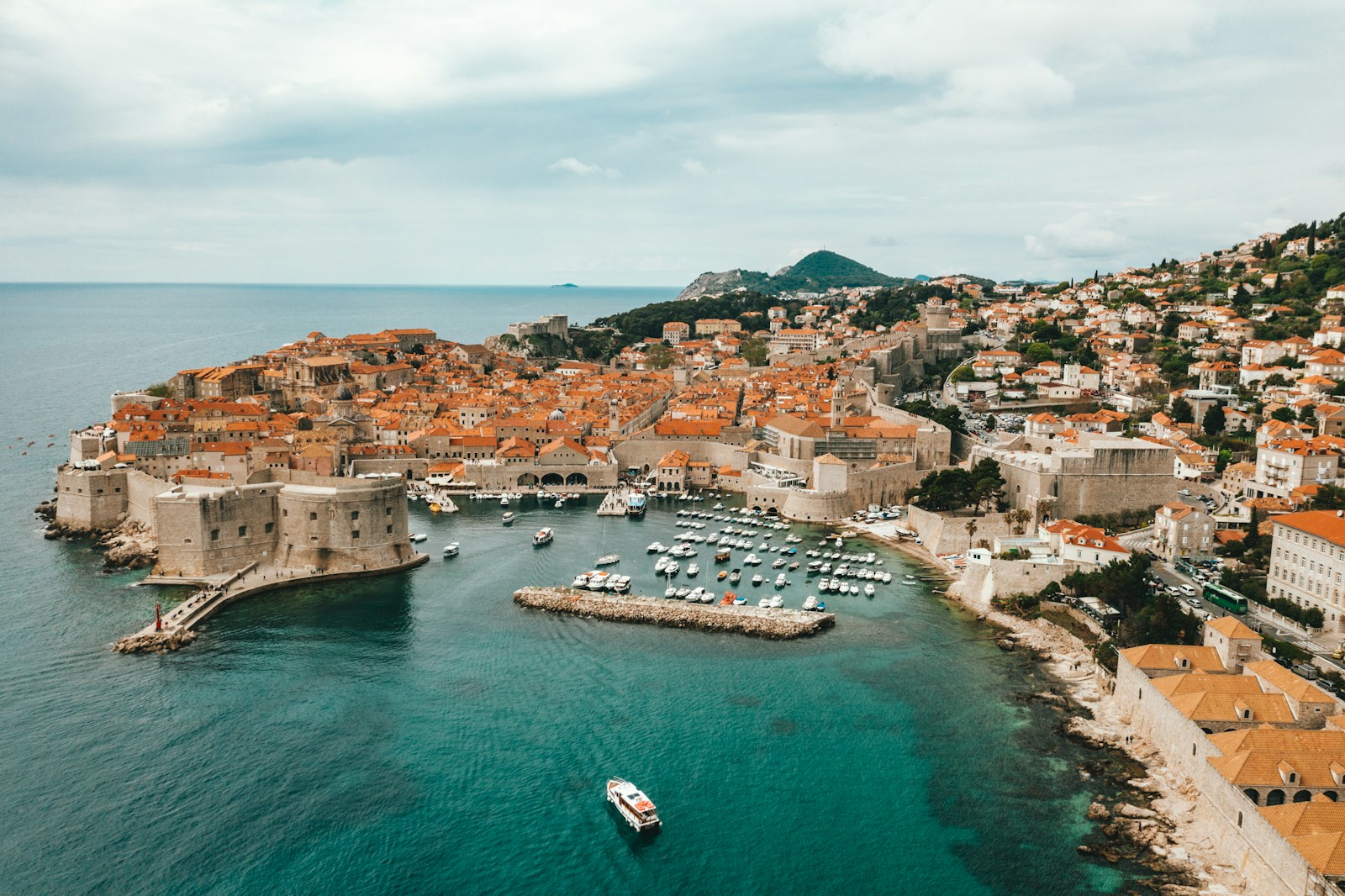
Day Trip Tours from Dubrovnik: Top Options
The three most-booked guided day trips from Dubrovnik on GetYourGuide, covering the most popular destinations:
| Tour | Destination | Duration | Price | Includes | Book |
|---|---|---|---|---|---|
| Mostar & Kravica Waterfall Day Trip | Mostar + Kravica Falls | ~11 hours | From ~€50/person | Guide, coach, local guided walk in Mostar | Book |
| Full-Day Trip to Mostar | Mostar + Počitelj | ~11 hours | From ~€45/person | Guide, coach, stop at Počitelj village | Book |
| Small-Group Mostar & Kravice (max 8) | Mostar + Kravice | ~11 hours | From ~€65/person | Small van, max 8 guests, flexible pace | Book |
Which to choose: The small-group tour (max 8) is worth the extra ~€15–20 if the bridge is busy - you move faster through the Old Bazaar and get more time at Kravice. The full-day Mostar option is the best-value pick for solo travellers who just want a seat on the coach and a knowledgeable guide. If you want to drive rather than take a tour, a hire car gives you the freedom to stop at Kravice on the return.
Prices and vary by date. Check current availability at the links above.
Dubrovnik’s old city walls can be walked in two hours, and once you have, the rest of Dalmatia and the western Balkans open up around you. The coast road north reaches Split; the border crossing south takes you into Montenegro within 45 minutes; Bosnia is two and a half hours by road. Few cities in Europe give you this range of options within a single day.
Below are the five best day trips from Dubrovnik, with realistic transport options, prices, and the operators worth booking.
Mostar, Bosnia & Herzegovina (2.5 hours each way)
Stari Most - the 16th-century Ottoman bridge spanning the Neretva - is one of the most photographed spots in the Balkans, and Mostar is achievable as a day trip despite the distance. The drive via Neum (Bosnia’s narrow coastal corridor) takes around 2 hours 40 minutes.
Organised tour: Most visitors go with a guided day tour from Dubrovnik, which handles the border crossings and adds context to the Old Bazaar (Kujundžiluk), the Ottoman-era mosques, and the famous bridge divers. Tours typically run approximately €45–65 per person and depart from Pile Gate around 7:30–8:00am, returning by 8pm. Operators including Dubrovnik Day Tours and Atlas Croatia run this route daily in summer.
Self-drive: Renting a car lets you stop at Kravice Waterfalls (about 30 minutes west of Mostar) on the return, a cascade swimming spot that organised tours often skip. Fuel plus the Bosnia border crossing adds roughly €15–20 to your costs. Parking in Mostar centre costs approximately 2 BAM/hour (about €1).
Bus: Libertas/Autoprevoz buses depart Dubrovnik’s Autobusni kolodvor for Mostar; journey time around 3 hours 30 minutes, price approximately €15 one way. The timetable is limited so check the return departure before you go.
Best season: April–June and September–October. July and August are crowded and hot; the bridge area is shoulder-to-shoulder from 10am to 5pm.
Cavtat (30 minutes each way)
The most relaxed option on this list. Cavtat is a small Dalmatian town 18km south of Dubrovnik, with a compact waterfront, Roman foundations, and the Račić Mausoleum - Ivan Meštrović’s best-known funerary work - on the headland above the harbour.
Ferry: Jadrolinija and local water-taxi operators run from Dubrovnik’s Old Port to Cavtat throughout the day in summer. Fare approximately 50–70 HRK (around €7–10) each way; journey 45 minutes to 1 hour via scenic coastal route.
Bus: Libertas route 10 connects Dubrovnik bus station with Cavtat in 30 minutes, fare approximately 18 HRK (€2.40). Runs regularly, last service back around 11pm in summer.
Cavtat works well as a half-day - head out mid-morning, have lunch on the waterfront at Konoba Kolona (grilled fish from approximately 120 HRK), and return by ferry in the afternoon.
Best season: May–October. Cavtat is quieter than Dubrovnik even in peak season.
Montenegro Coast: Kotor & Perast (1.5 hours each way)
The Bay of Kotor is one of the most dramatic coastal landscapes in the Mediterranean, and the border crossing into Montenegro is usually straightforward with an EU or UK passport. Kotor’s walled town is smaller than Dubrovnik’s but similarly well-preserved; the climb to the fortress above costs approximately €8 and delivers views across the entire bay.
Perast - a 15-minute drive from Kotor along the bay - is worth the detour for the two baroque islands visible from the waterfront, one of which (Our Lady of the Rocks) offers boat access for around €5.
Organised tour: Full-day Montenegro tours from Dubrovnik cover Kotor and often Budva, running approximately €55–80 per person. Operators: Dubrovnik Day Tours, Adriatic Tours, and local operators on GetYourGuide - search by date to see same-week availability.
Self-drive: The road via Herceg Novi gives you flexibility to stop at Morinj Bay and the village of Perast without a schedule. Budget approximately 90 minutes driving each way, €15–25 in fuel, and note that Montenegro uses EUR despite not being EU.
Best season: May–June and September. The bay can be extremely hot in July–August, and Kotor fills quickly with cruise passengers.
Korčula Island (2.5 hours by ferry)
Korčula Town - a dense grid of medieval stone streets on a small peninsula - is often called the birthplace of Marco Polo, which may or may not be true but gives the town its souvenir identity. The island’s quieter beaches and vineyards, producing the indigenous Grk and Pošip white wines, are the real draw for a full day.
Ferry: Jadrolinija runs a catamaran from Dubrovnik to Korčula Town daily in summer, approximately 2 hours 30 minutes, fare around 70 HRK (€9) each way. Check seasonal schedules - the early service typically departs around 8:00am, with a return around 4:00pm or 6:00pm.
Wine tasting: Winery Bire and Winery Lumbarda are short taxi rides from Korčula Town and offer tastings from approximately 100–200 HRK per person. Book ahead in peak season.
Best season: June–September for ferry frequency. The island is quiet in spring but services run less often.
Pelješac Peninsula Wine Tour (1 hour each way)
Pelješac sits between Dubrovnik and Split, connected by a bridge that opened in 2022. The peninsula produces most of Croatia’s serious red wine - Dingač and Postup appellations come from near-vertical south-facing vineyards along the coast, and the same limestone soils grow the oysters cultivated in the channels near Mali Ston.
Self-drive: The most flexible option. From Dubrovnik, drive over the Pelješac Bridge (toll-free) and head north toward Potomje village, the centre of the Dingač zone. Winery Bartulović and Winery Miloš both receive visitors with advance notice; expect to pay 80–150 HRK per tasting. Lunch at Kapetanova kuća in Mali Ston for shellfish from approximately 150–200 HRK per person.
Organised tour: Several Dubrovnik operators run Pelješac wine and oyster day tours for approximately €65–90 per person, including transport and guided tastings. The Pelješac full-day wine and food tour on GetYourGuide is worth booking if you want to drink rather than drive.
Best season: September–October for harvest; June for shoulder-season crowds.
Ready to book? Browse the full range of guided day trips from Dubrovnik - including Mostar, Montenegro, and private tours - on GetYourGuide.
For a longer stay along the Croatian coast, our Croatian coast road trip itinerary covers the route from Dubrovnik to Split with day-by-day planning. If you’re spending more than a day, the 3-day Dubrovnik itinerary covers the city itself in depth.
Decided late? Check our last-minute tours page for same-day and next-day availability across Dubrovnik and the wider region.