Banja Luka Travel Guide: Kastel Fortress, Rafting & Practicalities
Banja Luka travel guide: Kastel fortress, Ferhadija Mosque, Vrbas River rafting, and Banj Brdo cable car with practical advice and prices.
Guides for Banja Luka: Bosnia's Second City
Banja Luka is the second-largest city in Bosnia and Herzegovina and the administrative capital of Republika Srpska. It sits in the Vrbas River valley, flanked by low forested hills, and moves at a noticeably slower pace than Sarajevo. The old fortress runs along the riverbank, the Ferhadija Mosque - a UNESCO-listed reconstruction - anchors the city centre, and a craft-beer and café culture has taken root along Gospodska, the pedestrianised main street. Most tourists skip it entirely. That is their loss.
A comfortable mid-range day in Banja Luka - accommodation, meals, and one paid activity - runs 70–120 BAM (≈35–60 €). Budget travellers in hostels can get by on 50–70 BAM. It is noticeably cheaper than Sarajevo.
Top Sights
Kastel Fortress
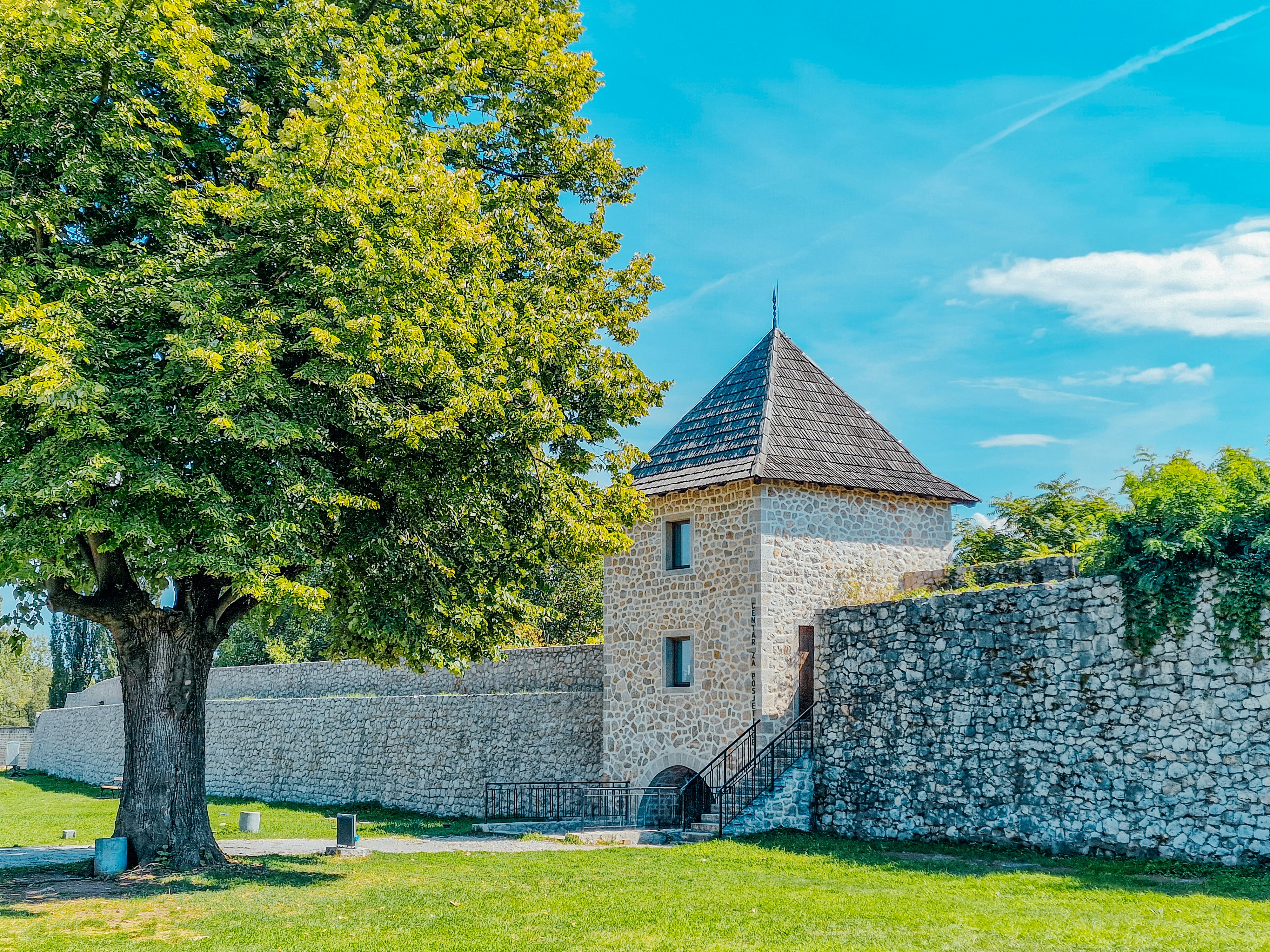
The defining landmark of Banja Luka. A medieval fortress rebuilt by the Ottomans in the 16th century, standing on a promontory above the Vrbas River. The walls, towers, and inner courtyard are well-preserved and freely accessible - no entry fee. Concerts and cultural events take place inside during summer. The riverfront promenade below the walls is the best place in the city for a morning coffee or evening walk.
Allow 45–60 minutes for the fortress and riverfront combined.
Ferhadija Mosque (Ferhat-pasha Džamija)
One of the most significant Ottoman mosques in the Balkans, originally built in 1579 and destroyed during the 1993 war in Bosnia. The reconstruction, completed in 2016, was listed as a UNESCO Heritage conservation achievement. The restored mosque is visually stunning - slender minaret, ornate interior stonework - and open to respectful visitors outside prayer times. Dress modestly; remove shoes at the entrance.
Entry: free. Located in the city centre, a few minutes’ walk from Gospodska Street.
Vrbas River Canyon and Rafting
The Vrbas River cuts a steep green canyon immediately south of the city - one of the most accessible whitewater rafting locations in the Balkans. Operators offer half-day rafting trips through the canyon with rapids graded III–IV depending on water levels.
- Duration: approximately 2–3 hours on the water
- Price: approximately 40–60 BAM per person including equipment and transport back,
- Best season: April to October; highest water levels (and fastest rapids) in spring
- What’s included with most operators: wetsuit, helmet, paddle, life vest, guide
Several operators are based on the canyon road (Vrbaska Magistrala) roughly 5 km from the city centre. Taxis from central Banja Luka cost approximately 10–15 BAM. You can also browse organised tours across Bosnia & Herzegovina to pre-book rafting and activity packages.
Banj Brdo Recreation Area
A forested hill on the northern edge of the city with walking trails, a small ski slope, and panoramic views back over Banja Luka. The gondola lift runs in summer as well as winter. Popular with locals for weekend hiking and family outings.
- Gondola return ticket: approximately 8–12 BAM,
- Driving time from centre: 15–20 minutes by car or taxi (approx. 12–18 BAM)
Gospodska Pedestrian Street and City Centre
The main pedestrianised street in Banja Luka runs for several blocks through the centre, lined with cafés, bars, restaurants, and small shops. In the evenings it fills up considerably - this is where the city’s social life visibly concentrates. The Orthodox Cathedral of Christ the Saviour, completed in 1939, stands at one end of the central area and is worth a look for its Byzantine-influenced architecture. Entry free.
Trappist Monastery at Delibašino Selo
A 19th-century Trappist monastery roughly 12 km from the city centre, known for producing cheese, liqueur, and honey. The grounds are open to visitors; the shop sells monastery products directly. A quieter half-day excursion by taxi (approx. 25–35 BAM return, depending on waiting time) or hired car.
Where to Eat
Restoran Mlin
A long-standing Banja Luka favourite set in a converted mill building on the Vrbas River, with terrace seating over the water. Serves traditional Bosnian dishes - ćevapi, stuffed peppers, grilled meats - alongside fish from the river. Mains approximately 14–22 BAM. Reservations advisable at weekends.
Restoran Kastel
Inside the fortress walls, with outdoor seating directly above the river. The location is the selling point, but the food holds up: grilled meats, salads, and local wine. Mains approximately 12–20 BAM. Convenient if you are already visiting the fortress.
Pizzeria Code
A local favourite for pizza and pasta near the city centre. Popular with university students and younger residents. Mains approximately 8–14 BAM. Cash and card accepted.
Ćevabdžinica Kod Žuće
A no-frills ćevapi counter near the market, busy at lunch. The classic Bosnian fast meal - ćevapi in lepinja bread with raw onion and kajmak - costs approximately 5–8 BAM. Expect a queue at peak hours; turnover is fast.
Trg Krajine and Surrounding Cafés
The main square and surrounding streets have numerous café-bars open from morning to late evening. Coffee culture is strong in Banja Luka - a long Bosnia coffee (filtered, served in a džezva) costs 2–3 BAM. Street-level seating is plentiful in good weather.
Craft Beer: Banjalučko Brewery and Bar Scene
Banjalučko Pivo is the city’s own brewery, founded in 1873 and still producing from the same city-centre location. The main lager is widely available on draft throughout the city at approximately 3–5 BAM for a half-litre. The brewery does not operate regular public tours, but the beer is accessible everywhere.
Beyond the mainstream, Banja Luka has a small but growing craft-beer scene concentrated on and around Gospodska Street. Several bars stock regional craft beers alongside imported options. Draft pints in craft bars run approximately 5–8 BAM.
Where to Stay
Hotel Bosna (mid-range)
One of the most recognisable hotels in the city, in a central location near Gospodska Street. Double rooms approximately 90–130 BAM/night. Standard facilities, reliable service, good central base.
Hotel Vidović (mid-range)
A smaller, well-regarded hotel a short walk from the fortress and riverfront. Double rooms approximately 80–110 BAM/night. Quieter than the Bosna; good for those who want to be close to the river.
Hostel City Center Banja Luka (budget)
A well-reviewed budget option in the central area. Dorm beds approximately 20–30 BAM/night; private rooms approximately 50–70 BAM/night. Popular with younger travellers and those on longer Balkans routes.
Villa Ivo (mid-range/boutique)
A small guesthouse-style property on the edge of the centre with more personal service than larger hotels. Double rooms approximately 80–120 BAM/night. Book ahead in summer.
Getting to Banja Luka
From Sarajevo
The most common route for international visitors. Bus: approximately 4.5 hours, 20–28 BAM one way. Several departures daily from Sarajevo Main Bus Station (Autobuska stanica). Buses are modern and air-conditioned. No direct train service between the two cities.
From Belgrade (Serbia)
Bus: approximately 4–5 hours, 25–35 BAM one way. Multiple daily services. Banja Luka is a natural stopping point on a Sarajevo–Belgrade route.
From Zagreb (Croatia)
Bus: approximately 4 hours, 30–45 BAM. Regular connections; journey times vary by operator and routing.
Banja Luka Airport
Banja Luka International Airport (BNX) has limited scheduled flights - primarily seasonal and charter routes. Most visitors arrive overland. Check current schedules; the airport is approximately 25 km north of the city (taxi approx. 30–40 BAM).
Getting Around Banja Luka
The city centre is compact and walkable. Kastel, Ferhadija Mosque, Gospodska Street, and most restaurants are within 15–20 minutes on foot of each other. Taxis are inexpensive (approx. 4–8 BAM for most central journeys). Ride-hailing apps (including local services) operate in the city. For day trips to the Trappist Monastery, Banj Brdo, or the Vrbas canyon, renting a car in the Balkans gives the most flexibility.
When to Go
May–September is the main travel season. Summer (June–August) is warm to hot with highs of 28–34 °C and the busiest café and nightlife scene. Spring and early autumn offer milder weather and are ideal for Vrbas rafting or hiking around Banj Brdo. Winter is cold (lows around -5 °C) and relatively quiet; Banj Brdo operates as a small ski area.
Practical notes: Most city-centre venues accept card payments; carry some cash for smaller cafés and local transport. English is spoken at hotels and the more tourist-oriented restaurants; in local cafés and markets, basic Bosnian phrases go a long way. The city operates on Central European Time (UTC+1, CET; UTC+2 in summer).
See also
- Bosnia and Herzegovina travel guide
- Sarajevo
- Mostar
- Things to do in Banja Luka
- Food to try in Banja Luka
- Where to stay in Banja Luka
- 7-day Bosnia itinerary
- Balkans travel costs
Plan your trip: Browse tours and activities in Bosnia to see what’s available. Hire a car for flexibility across the country, and cover your journey with Balkans travel insurance.
Book an experience
Top experiences in Banja Luka: Bosnia's Second City
Explore the best tours and activities in Banja Luka: Bosnia's Second City - instant confirmation, free cancellation on most bookings.